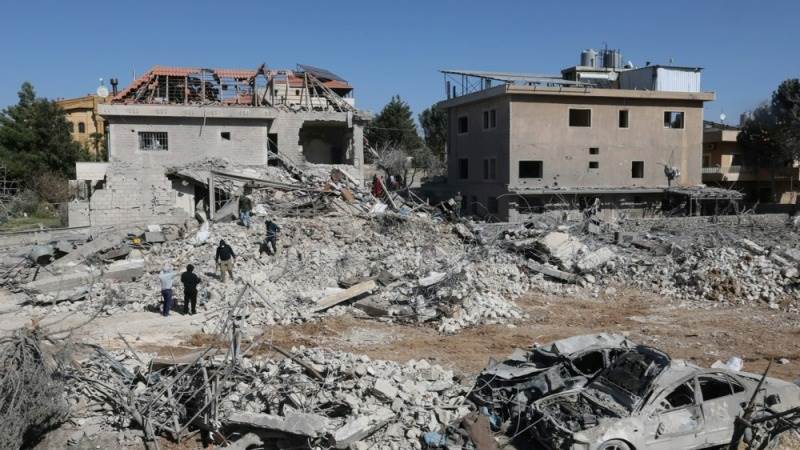
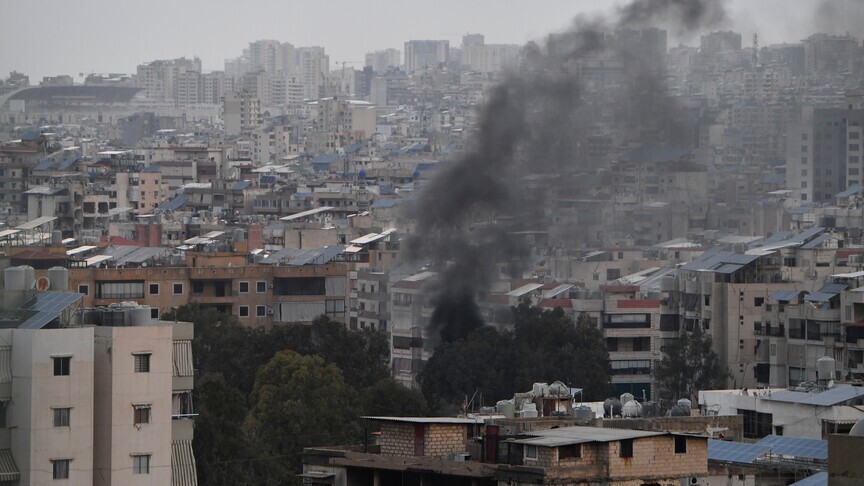
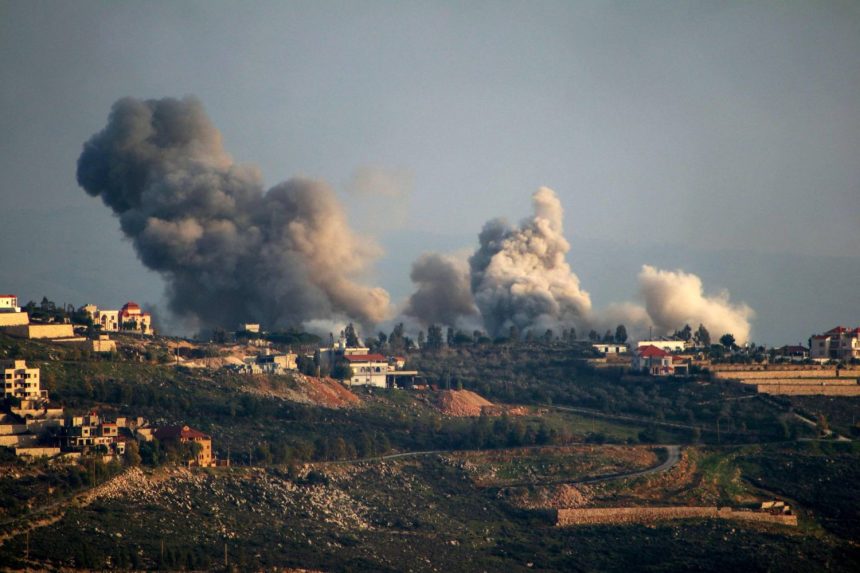
The Israel Defense Forces (IDF) continued operations in south Lebanon, destroying what it described as terrorist infrastructure and eliminating terrorists in the forward defense zone, known as the Yellow Line. These actions occurred amidst an ongoing ceasefire, which began on April 17, 2026. The IDF continued destroying terrorist infrastructure and eliminating terrorists in the forward defense zone, known as the Yellow Line, in south Lebanon. Separately, the IDF attacked hundreds of Hezbollah facilities and assets. These operations were part of a broader effort by the IDF to address perceived threats emanating from the region.
In the Beqa’a Valley, a senior Palestinian Islamic Jihad (PIJ) terrorist operative was eliminated in a strike. Concurrently, three civilians were wounded in Rosh HaNikra following the explosion of an explosive unmanned aerial vehicle (UAV). This incident showed the continued danger posed by such aerial devices to civilian populations. Hezbollah claimed it had conducted over 330 attacks since the ceasefire's inception, aiming to halt the advance of IDF forces in south Lebanon. These claims highlight the persistent nature of the conflict despite diplomatic efforts to de-escalate tensions.
IDF Operations and Hezbollah's Response
The Israel Defense Forces (IDF) reported achieving full operational control of the Litani River, marking a significant development in its activities in southern Lebanon. This strategic gain was part of the IDF's broader operational objectives in the region. During these operations, the IDF stated it eliminated terrorists in both south Lebanon and the Beqa’a Valley. The intensity of the fighting resulted in the deaths of two IDF soldiers and injuries to four others. These casualties show the dangerous and challenging environment in which these military operations are being conducted. The IDF's actions in south Lebanon and the Beqa’a Valley were described as key for dismantling terrorist capabilities and securing the border areas.
Hezbollah, a Lebanese political party and militant group, has been actively detailing its military engagements. The group issued more than 130 claims of responsibility for attacks targeting IDF forces in south Lebanon and various locations in northern Israel. A more specific accounting from Hezbollah indicated that between noon on May 11 and noon on May 18, 2026, the organization issued 131 claims of responsibility for military actions. These claims detail a wide range of engagements, reflecting Hezbollah's persistent operational activity.
Since the beginning of the ceasefire on April 17, 2026, Hezbollah stated it had conducted a total of 339 attacks. Of these, 318 were reportedly carried out within Lebanese territory. Hezbollah also provided specific figures regarding the impact of its operations. The group claimed to have struck "at least" 250 Israelis during the period. Hezbollah reported damage to Israeli military hardware, asserting hits on 48 Merkava tanks, 36 engineering vehicles, one helicopter, and an Iron Dome aerial defense system battery. These figures, while difficult to independently verify, are presented by Hezbollah as evidence of its operational effectiveness and its capacity to inflict damage on Israeli forces and infrastructure. The organization's detailed reporting of its actions serves to project an image of active resistance and capability.
Diplomatic Breakthrough in Washington
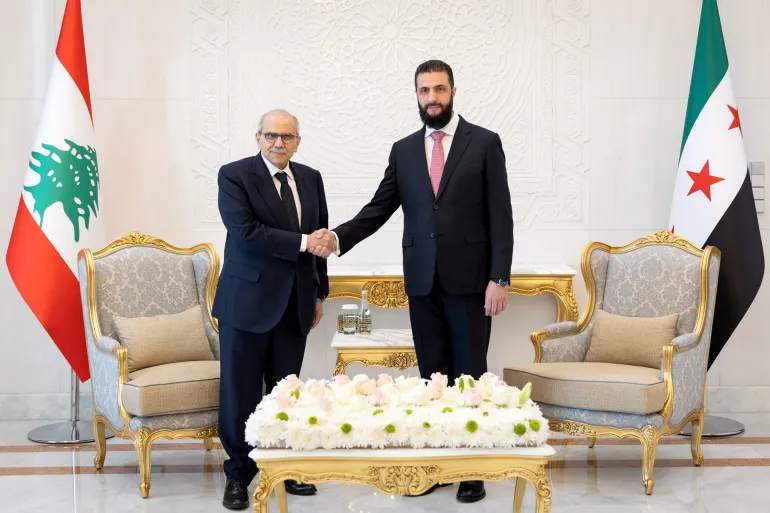
The Lebanese and Israeli delegations convened in Washington for the third round of direct talks, which included military personnel for the first time. The inclusion of military personnel in these discussions signifies a potential shift towards more full negotiations, addressing both political and security dimensions of the conflict. During these discussions, both delegations reached an agreement to extend the existing ceasefire for an additional 45 days. This extension also stipulated the initiation of political and security negotiations between the two sides. This agreement represents a key step in maintaining a fragile peace and exploring pathways for a more enduring resolution.
Reports indicated that if the ceasefire proved stable, Israel was anticipated to begin a gradual withdrawal of its forces. Concurrently, the Lebanese army was expected to deploy in the southern regions of the country. This phased approach aims to create a security vacuum that can be filled by legitimate state forces, potentially leading to increased stability in the border area. The successful implementation of these measures would hinge on the continued adherence to the ceasefire by all parties involved.
Separately, the Lebanese prime minister stated that the Lebanese state was currently facing its most severe crisis since its establishment. This declaration shows the profound challenges confronting Lebanon, both internally and externally. The prime minister also called for the restoration of the state's exclusive monopoly over weapons and national decisions, suggesting a need for centralized control over security and policy. This call reflects a desire to consolidate state authority and reduce the influence of non-state actors in national affairs, a goal that faces significant obstacles given the political landscape. The prime minister's remarks highlight the urgent need for internal reforms and a strengthening of state institutions to navigate the complex crises facing the nation.
Hezbollah's Stance and Regional Links
Hezbollah claimed a shift to a "multi-layered war of attrition" employing diverse weapons systems in the ongoing hostilities. This strategic adjustment suggests an intent to prolong engagements and gradually erode the capabilities of opposing forces. The organization reiterated its absolute opposition to direct negotiations with Israel. This firm stance complicates diplomatic efforts and shows the deep ideological divisions that persist. Hezbollah also accused the Lebanese leadership of making concessions to Israel and the United States while attempting to disarm the "resistance." These accusations reflect internal political tensions within Lebanon regarding the role and legitimacy of Hezbollah.
Hezbollah secretary general Na’im Qassem thanked Iran for its continued support of the organization. This acknowledgement notes the enduring strategic alliance between Hezbollah and Iran, which is a significant factor in regional dynamics. Qassem linked the current hostilities against Israel to the "Iranian confrontation," framing the conflict within a broader regional power struggle. This perspective suggests that Hezbollah views its actions as part of a larger, interconnected resistance movement.
Opponents of Hezbollah have accused the group of operating as an Iranian proxy and contrary to Lebanese interests. These criticisms often point to Hezbollah's independent military capabilities and its allegiance to external powers as undermining Lebanese sovereignty and stability. Na’im Qassem also praised Hezbollah’s military capabilities, specifically noting its unmanned aerial vehicle (UAV), rocket, and missile arrays. Qassem stated that these weapons systems created "anxiety and psychological crises" in Israel, representing the fighting as a continuing success and an expression of steadfastness, based on "religious faith" and readiness for prolonged sacrifice. This rhetoric aims to bolster morale among its supporters and project an image of strength and resilience.
Sources indicated that hostilities in south Lebanon had entered a phase of multi-layered war of attrition, moving beyond pinpoint responses to focus on the "operational, psychological and cognitive erosion" of the Israel Defense Forces (IDF) and the Israeli home front. This strategic shift implies a long-term approach designed to gradually weaken the adversary through sustained pressure. Hezbollah claimed it was making combined use of explosive UAVs, rocket barrages, artillery, and UAV swarms. The deployment of such diverse weaponry shows the group's evolving tactical capabilities and its adaptability in conflict. Ibrahim al-Amin, editor in chief of al-Akhbar, wrote that the organization had preserved its "operational capabilities" and imposed a "deterrent equation" on Israel. Al-Amin added, "even if the organization currently chose not to be dragged into a broad confrontation." He further asserted that Israel did not escalate because it did not want another all-out war, and despite continued Israeli attacks, Israel had not achieved its central objectives of dismantling the "resistance." These analyses suggest that Hezbollah perceives itself as effectively managing the conflict and deterring a larger-scale Israeli offensive.
Humanitarian Impact and International Scrutiny
The United Nations Interim Force in Lebanon (UNIFIL) expressed growing concern regarding increased Hezbollah and Israel Defense Forces (IDF) activity near its positions in south Lebanon. This heightened activity poses risks to peacekeeping forces and shows the volatile nature of the border region. In a related development, the United Arab Emirates added 16 Lebanese individuals and entities, including Hezbollah's financial arm, the al-Qard al-Hassan Association, to its list of terrorist organizations. This designation by the UAE reflects international efforts to target financial networks associated with groups deemed to be involved in terrorism. The Lebanese ministry of health reported approximately 12,000 people had been harmed since the campaign began on March 2, 2026, with nearly 3,000 fatalities. These grim statistics highlight the severe human cost of the ongoing conflict, affecting a significant portion of the civilian population. Separately, a report indicated that Hezbollah refrained from issuing public death notices for its operatives, instead conducting limited funerals away from media scrutiny. This practice suggests an attempt to control the narrative around its casualties and potentially minimize public perception of its losses. The humanitarian crisis continues to deepen, with international organizations and local authorities struggling to provide adequate aid and support to those affected by the hostilities.