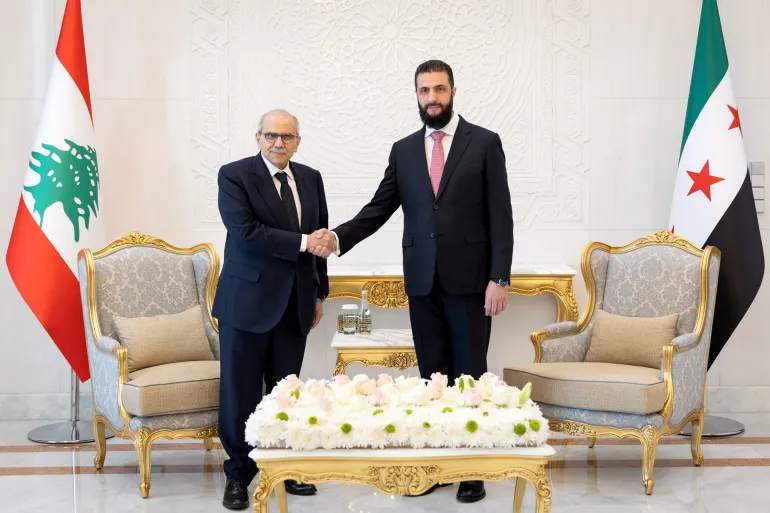
Lebanon’s Prime Minister Nawaf Salam conducted his second official visit to Damascus on May 9, 2026, marking continued engagement with Syria following the end of the al-Assad regime. This visit shows the evolving diplomatic landscape in the Levant, as Beirut and Damascus navigate a new era of bilateral relations. The visit on May 9, 2026, was Prime Minister Salam's second official trip to the Syrian capital since the dramatic political upheaval of 2024. Syrian opposition groups launched a significant operation in December 2024 to seize government-controlled areas, including the capital city of Damascus, from the al-Assad regime. This offensive proved to be a turning point, ultimately leading to Bashar al-Assad fleeing the country on December 8, 2024, an event that concluded five decades of his family's dynastic rule in Syria. This profound shift in power paved the way for Ahmed al-Sharaa to become the first Syrian leader to visit the White House on November 10, 2025, signaling a new chapter for Syria on the international stage. During his recent visit to Damascus, Prime Minister Salam stated, "We discussed continuing efforts to address the issue of detained Syrians [in Lebanon] and to uncover the fate of the missing and forcibly detained in both countries." This statement notes the complex humanitarian and legal issues that remain central to the dialogue between the two neighboring states.
Shifting Regional Dynamics
Both Lebanon and Syria are experiencing ongoing Israeli attacks and occupation of their respective territories, a persistent challenge that continues to shape their security and political environments. Syria, under the leadership of Bashar al-Assad, was largely isolated from the international community and faced repeated and compounding international sanctions, which severely impacted its economy and its ability to engage diplomatically. This isolation stood in stark contrast to the new government's efforts to re-engage with the global community.
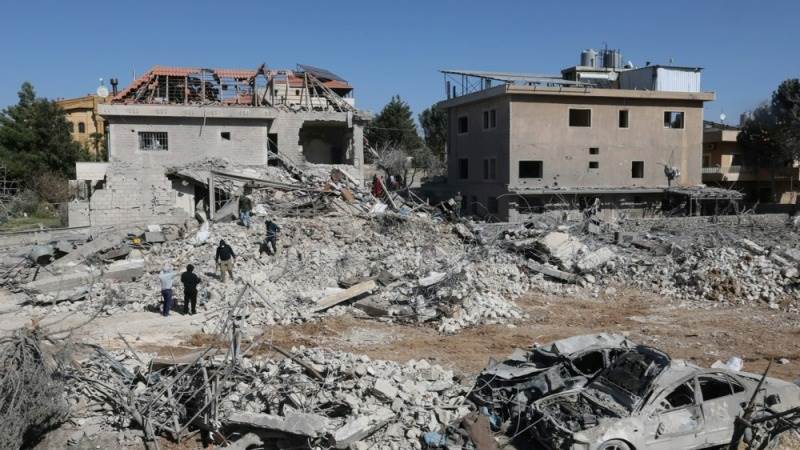
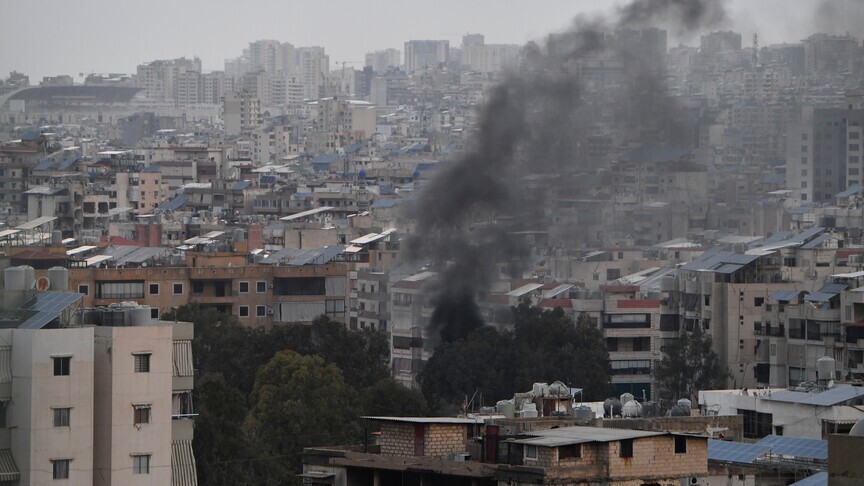
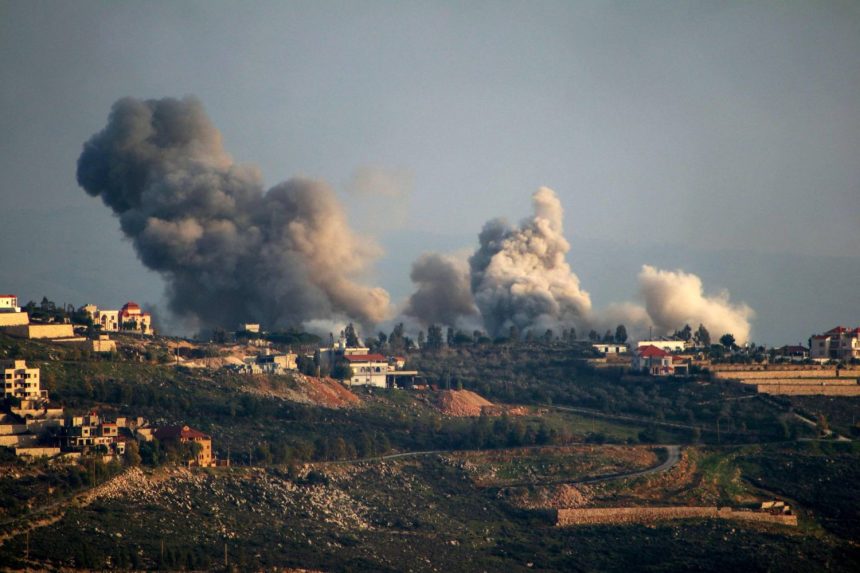
The regional security situation has been further complicated by recent military actions. Hezbollah initiated an attack on Israel on March 2, 2026, which was described as retaliation for the killing of Iran’s Supreme Leader Ayatollah Ali Khamenei. This act ignited a new round of hostilities, intensifying an already volatile situation. Since that date, Israeli attacks in Lebanon have resulted in the deaths of almost 3,000 people, inflicting a heavy human toll on the country. These relentless attacks have also led to the displacement of more than 1.2 million people within Lebanon, creating a significant humanitarian crisis and exacerbating existing vulnerabilities. Concurrently, in the year following the fall of al-Assad's government, Israel carried out more than 600 strikes within Syria, indicating a sustained military presence and a continued focus on targets within Syrian territory, even under the new administration. These strikes show the ongoing instability and the complex interplay of regional actors.
Historical Context and New Priorities
Syria, under the leadership of Hafez al-Assad, invaded Lebanon in 1976 and maintained occupation of parts of the country until 2005. During this nearly three-decade period, Damascus exerted significant political and security influence over its smaller neighbor, deeply embedding Syrian interests within Lebanese affairs. This prolonged historical context of political and military dominance profoundly shapes the current dynamics between the two nations, particularly following the recent dramatic political shifts in Syria. The legacy of this occupation continues to influence perceptions and policy decisions in both Beirut and Damascus.
In the wake of the al-Assad regime's collapse, Damascus has outlined a clear set of critical objectives concerning its relationship with Lebanon. Nanar Hawach, an analyst at the International Crisis Group, detailed these priorities, providing valuable insight into Syria's strategic thinking. Hawach stated, "Damascus’s top priorities on the Lebanon file are border control and demarcation, the transfer of Syrian detainees held in Lebanese prisons, refugee returns on terms Damascus can manage, and the Assad-era figures who fled into Lebanon." These issues are considered critical for the new Syrian government, reflecting its immediate concerns regarding sovereignty, internal security, and the management of its population. Hawach further elaborated that economic matters, such as recovering Syrian deposits in Lebanese banks and issues related to gas, electricity, and transit, rank lower despite generating considerable public discussion. This prioritization suggests a focus on immediate political and security concerns over longer-term economic integration, at least in the initial phases of the new government.
Among these priorities, the repatriation of Syrian prisoners stands out as a concrete area of cooperation. In March 2026, 130 Syrian prisoners were transferred from Lebanon to Syria. These individuals will serve the remainder of their sentences in Syrian facilities, marking a tangible step in addressing one of Damascus's primary concerns regarding detainees. The transfer shows an active effort to manage the judicial and humanitarian aspects of the bilateral relationship, demonstrating a willingness from both sides to engage on sensitive issues. This action also serves to streamline the legal processes for these individuals and reinforces the new government's commitment to addressing the fate of its citizens.
Navigating Bilateral Relations
The fall of the al-Assad regime had significant ramifications for regional alliances and supply lines. Crucially, it severed Hezbollah’s land route for receiving funding and weapons from Iran, a lifeline that had sustained the Lebanese group for years. This disruption represents a major strategic shift in the regional power balance. Syria’s new government, led by Ahmed al-Sharaa, has expressed strong opposition to Hezbollah. This stance marks a significant departure from the previous administration’s relationship with the Lebanese group, which had often been characterized by tacit support or direct alliance. The new Syrian government's position introduces a new dynamic, potentially isolating Hezbollah further and altering the calculus for its operations and external support.
External actors have also weighed in on the relationship between the two countries, recognizing the broader regional implications of their interactions. Mounir Rabih, a notable commentator on regional affairs, stated that "Turkiye and Saudi Arabia want Lebanon and Syria to coordinate." This indicates a regional desire for improved communication and cooperation between Beirut and Damascus, potentially influencing future diplomatic efforts and encouraging a more structured engagement. Both Turkiye and Saudi Arabia are key players in the regional political landscape, wielding considerable influence through their diplomatic and economic ties. Their interest in Lebanese-Syrian coordination suggests broader geopolitical implications for the Eastern Mediterranean and the Levant, as stability in this key corridor is critical for regional security. The call for coordination from these nations reflects a push for stability and structured engagement in a region marked by ongoing challenges, including internal conflicts, external interventions, and persistent humanitarian crises. The encouragement from these influential powers could provide an impetus for further diplomatic initiatives and foster a more constructive relationship between Lebanon and Syria in the years to come.