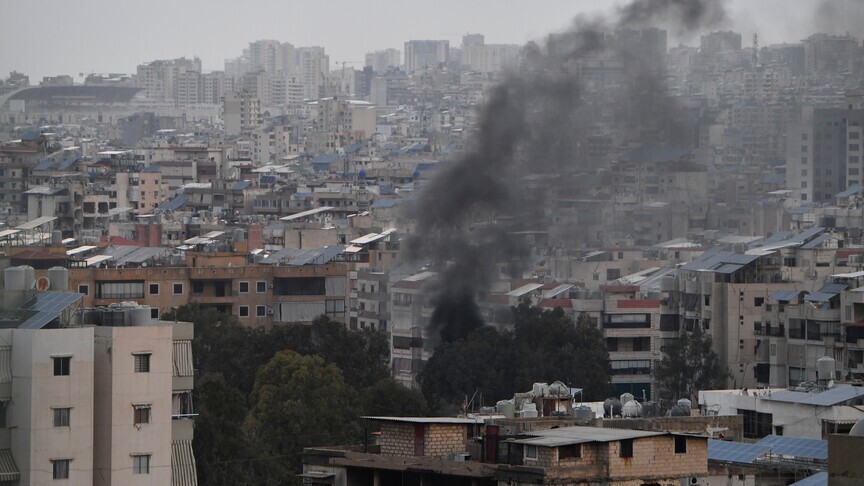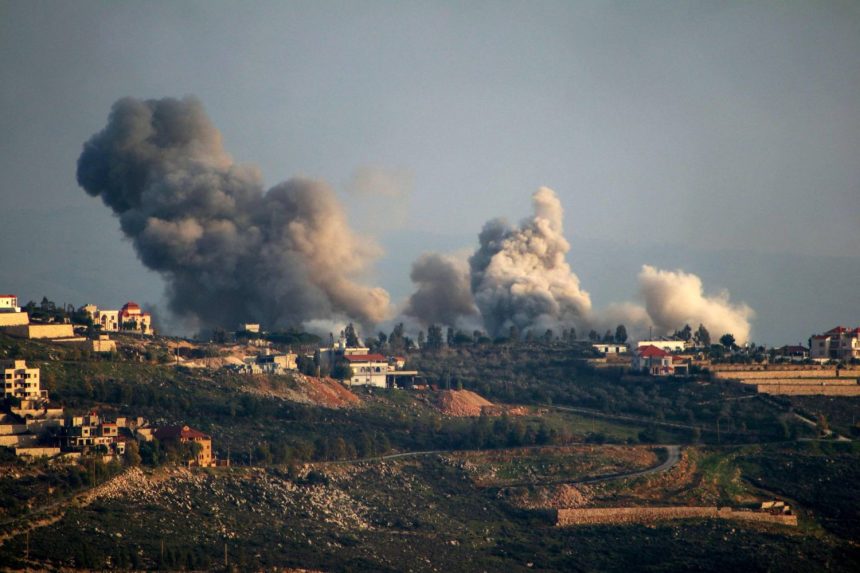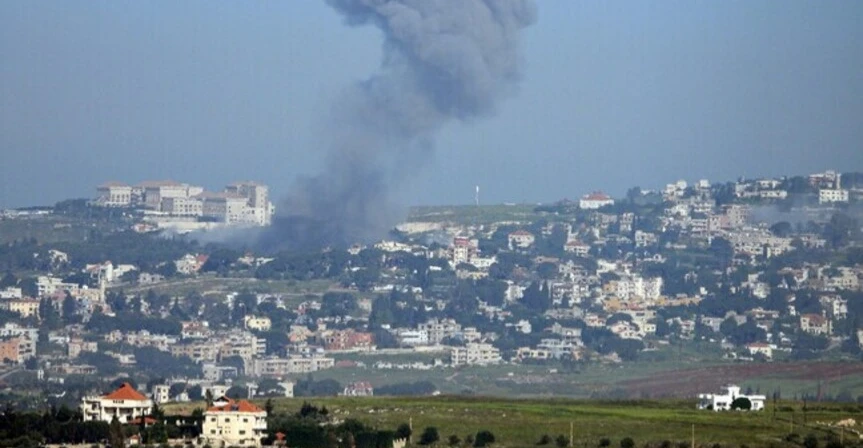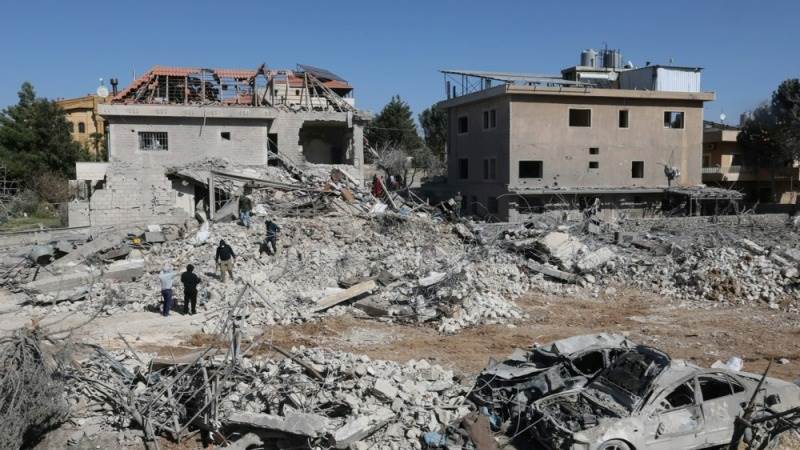
The Israeli Defense Forces (IDF) announced on Monday the elimination of Wael Mahmoud Abd al-Halim, identified as a Palestinian Islamic Jihad (PIJ) commander. The IDF stated that the operation took place in Lebanon's Bekaa Valley. Al-Halim was eliminated in a strike targeting the Baalbek area, a significant operation that shows the IDF's reach and intelligence capabilities. This targeted action notes the ongoing efforts by Israel to counter what it describes as threats emanating from various militant factions in the region. The announcement by the IDF detailed the specific role of Al-Halim within the PIJ and his involvement in coordinating with other groups.
Commander's Role and Threat
Wael Mahmoud Abd al-Halim was identified by the Israeli Defense Forces (IDF) as a key figure in integrating Palestinian Islamic Jihad (PIJ) operatives into joint combat operations with Hezbollah in Lebanon. According to the IDF, Al-Halim played a significant role in orchestrating these combined efforts, indicating a high level of strategic and operational coordination between the two organizations. His activities also included advancing terrorist attacks targeting IDF soldiers in recent weeks, posing an immediate threat to Israeli security personnel. This operational role made him a high-priority target for Israeli forces seeking to disrupt militant activities.
The IDF stated on X that "Al-Halim led the integration of Islamic Jihad terrorists into combat operations alongside Hezbollah terrorists in Lebanon and operated to advance terrorist attacks against IDF soldiers in recent weeks." This statement showed the commander's involvement in cross-organizational coordination and offensive planning, illustrating the complex nature of the threats faced by Israel. The integration of PIJ and Hezbollah operatives under his command suggests a concerted effort to enhance their operational capabilities against Israel. His elimination comes as the IDF continues operations against what it describes as immediate threats originating from the region, aiming to prevent future attacks and degrade the capabilities of militant groups operating from Lebanese territory. The IDF's intelligence gathering and operational planning led to this precise strike, reflecting their commitment to neutralizing such threats.
IDF Operation Details
The operation conducted by the Israeli Defense Forces (IDF) targeted Wael Mahmoud Abd al-Halim in Lebanon's Bekaa Valley. The strike, which led to the elimination of the Palestinian Islamic Jihad (PIJ) commander, occurred specifically in the Baalbek area. This location is situated deep within Lebanese territory, far from the immediate border with Israel, indicating a significant extension of the IDF's operational range. The selection of the Baalbek area for the strike suggests a deliberate targeting of a high-value individual in a location often considered a stronghold for Hezbollah and allied groups. The IDF did not immediately disclose further specifics regarding the method of the strike or the precise timing of the operation within the Bekaa Valley, adhering to standard protocols for sensitive military actions. The Israeli military has intensified its actions against targets in Lebanon following increased tensions, often responding to cross-border attacks or intelligence indicating imminent threats. This particular operation in Baalbek signifies a strategic move to disrupt the command structure of militant organizations.
Broader Regional Context
The elimination of Wael Mahmoud Abd al-Halim in Lebanon's Bekaa Valley marks a significant development in the ongoing regional tensions involving the Israeli Defense Forces (IDF), Palestinian Islamic Jihad (PIJ), and Hezbollah. The strike in the Baalbek area, located deep within Lebanese territory, notes the expanding operational reach of the IDF beyond the immediate border, demonstrating its capability to project power and neutralize threats far from its defensive lines. This deep strike sends a clear message regarding Israel's resolve to counter threats wherever they may originate. Activities of groups like PIJ and Hezbollah have contributed to prolonged instability across the region, with their actions frequently leading to escalations and cross-border confrontations. Previous IDF operations have targeted individuals and infrastructure linked to these organizations in various locations, aiming to degrade their military capabilities and deter future aggression. The long-standing conflict between Israel and Palestinian factions, alongside cross-border engagements with Hezbollah in Lebanon, continues to shape the security landscape, with each action provoking a response or further entrenching the existing dynamics. The West Bank also remains a focal point of these broader regional dynamics, contributing to the overall complexity of the security environment. The IDF's actions are consistently framed within this wider context of maintaining Israel's security against multiple, interconnected threats.