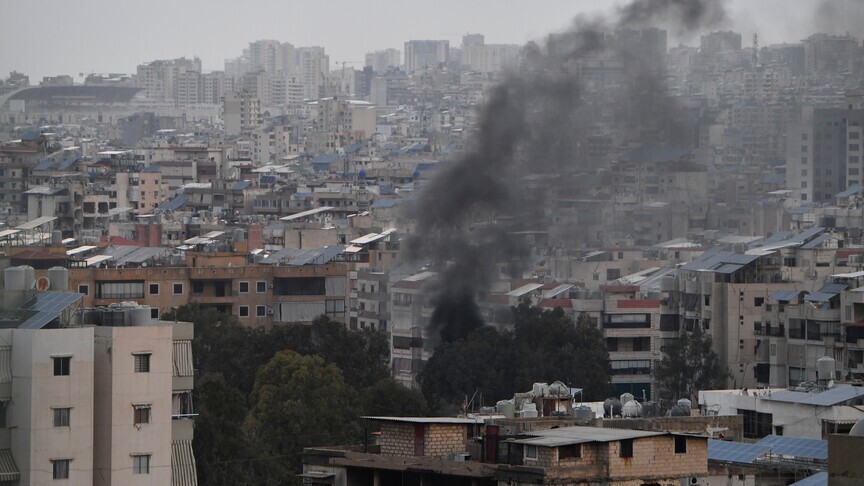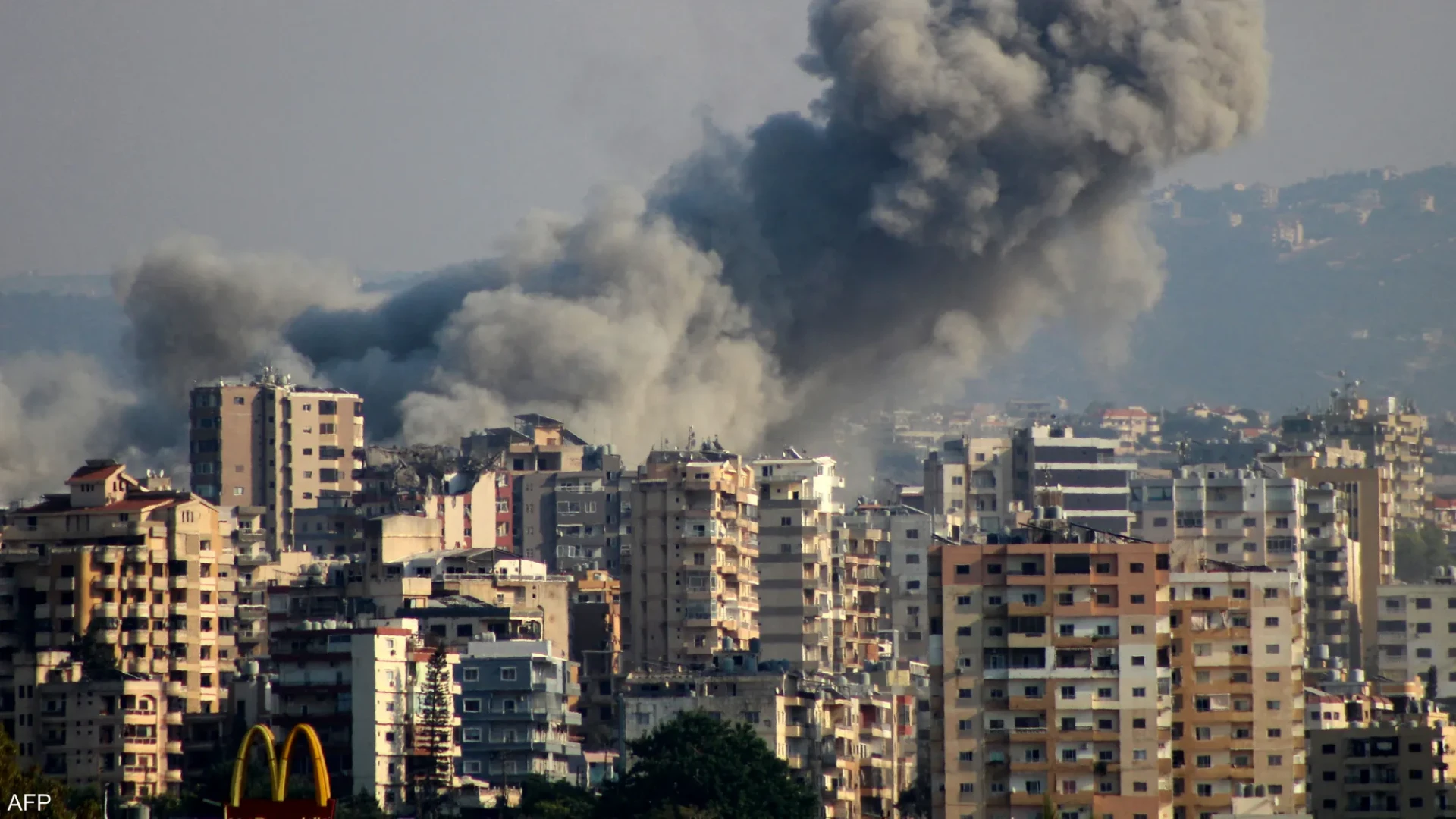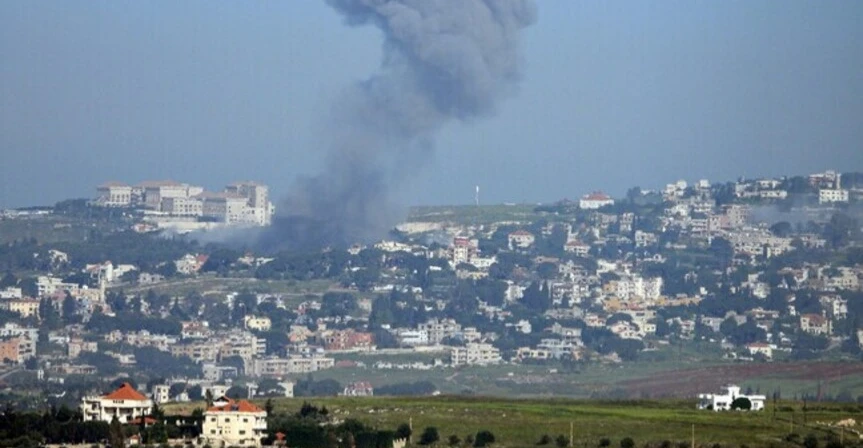
An Israeli strike on Sunday killed at least three people and wounded five in the southern Lebanese town of Tayr Filsayeh, amidst escalating cross-border fire. The incident in Tayr Filsayeh, a southern Lebanese town, notes the continuous and severe nature of the hostilities impacting civilian populations. Following this strike, Hezbollah subsequently issued eight statements claiming a series of operations against Israeli forces in the south. These claims detailed various engagements and targeted actions undertaken by the group.
Hezbollah fighters specifically targeted an Israeli force attempting to advance toward Yohmor al-Shaqif, demonstrating their active presence along the border. In a significant operation, the group struck a military gathering at the port of Naqoura with two attack drones, indicating a strategic targeting capability. The group also hit an Israeli artillery position in the town of al-Odaysseh with a drone, claiming a confirmed hit, which further shows their use of aerial assets in the conflict. Additionally, Hezbollah shelled an Israeli troop concentration at Khalat Raj in Deir Siryan with artillery, reporting direct impacts on the assembly. These operations, claimed by Hezbollah on Sunday, collectively paint a picture of intense and coordinated military activity in response to Israeli actions.
Evacuation Warnings Issued
The Israeli army issued evacuation warnings to residents in five Lebanese towns: Sohmor in western Beqaa, Rumin, al-Qusaybeh in Nabatieh district, Kfar Huna in Jezzine district, and Banaful in Saida district. These specific towns, located in various districts across southern Lebanon, were notified of impending danger. The evacuation orders for these towns mandated residents to withdraw immediately to open areas located at least 1,000 meters away from their homes, indicating the severity of the perceived threat and the potential for further military action.
These warnings, however, preceded Israeli forces striking dozens of other towns without prior evacuation notices, raising concerns about civilian safety and the rules of engagement. Among the towns hit in these unannounced strikes were Shoukin, Safad al-Battikh, Kafra, Deir Antar, Babiliyeh, Adshit, al-Bisariyeh, and Tebnine. Israeli forces claimed these strikes targeted Hezbollah positions and operatives within those areas, asserting their operations were aimed at militant infrastructure. The disparity in issuing warnings shows the unpredictable nature of the conflict for local populations.
Escalating Cross-Border Conflict
Lebanese health authorities have reported 2,988 fatalities and 9,210 injuries since Israel expanded its offensive on March 2. These grim figures reflect the devastating impact of the ongoing cross-border clashes between Israeli forces and militant groups in southern Lebanon, noting the significant human cost endured by the Lebanese population. The sustained nature of the offensive has led to a considerable increase in casualties, marking a critical phase in the conflict.
On the Israeli side, the military stated that 105 soldiers sustained injuries during fighting in southern Lebanon over the past week, indicating the intensity of the engagements faced by Israeli forces. The Israeli army also confirmed that the total number of Israeli fatalities in Lebanon, since the war with Hezbollah began on March 2, has increased to 20. These numbers show the persistent exchange of fire and the human cost of the conflict in the region, affecting both sides of the border. The continuous reporting of casualties from both Lebanese health authorities and the Israeli military serves as a stark reminder of the ongoing violence.
Diplomatic Stalemate Continues
The United States recently announced a 45-day extension of the ceasefire, following talks held in Washington between Lebanese and Israeli delegations. These discussions aimed to de-escalate tensions and secure a prolonged halt in hostilities, reflecting international efforts to mitigate the conflict. However, efforts for direct engagement between the primary belligerents have faced obstacles. Hezbollah has consistently refused to participate in direct negotiations with the Israeli side, according to reports, making diplomatic breakthroughs challenging. This refusal has complicated diplomatic initiatives to find a lasting resolution to the ongoing cross-border conflict, as one of the main parties remains unwilling to engage directly. The persistent stance by Hezbollah notes the challenges in achieving a more full diplomatic outcome despite the temporary ceasefire extension, leaving the long-term prospects for peace uncertain.