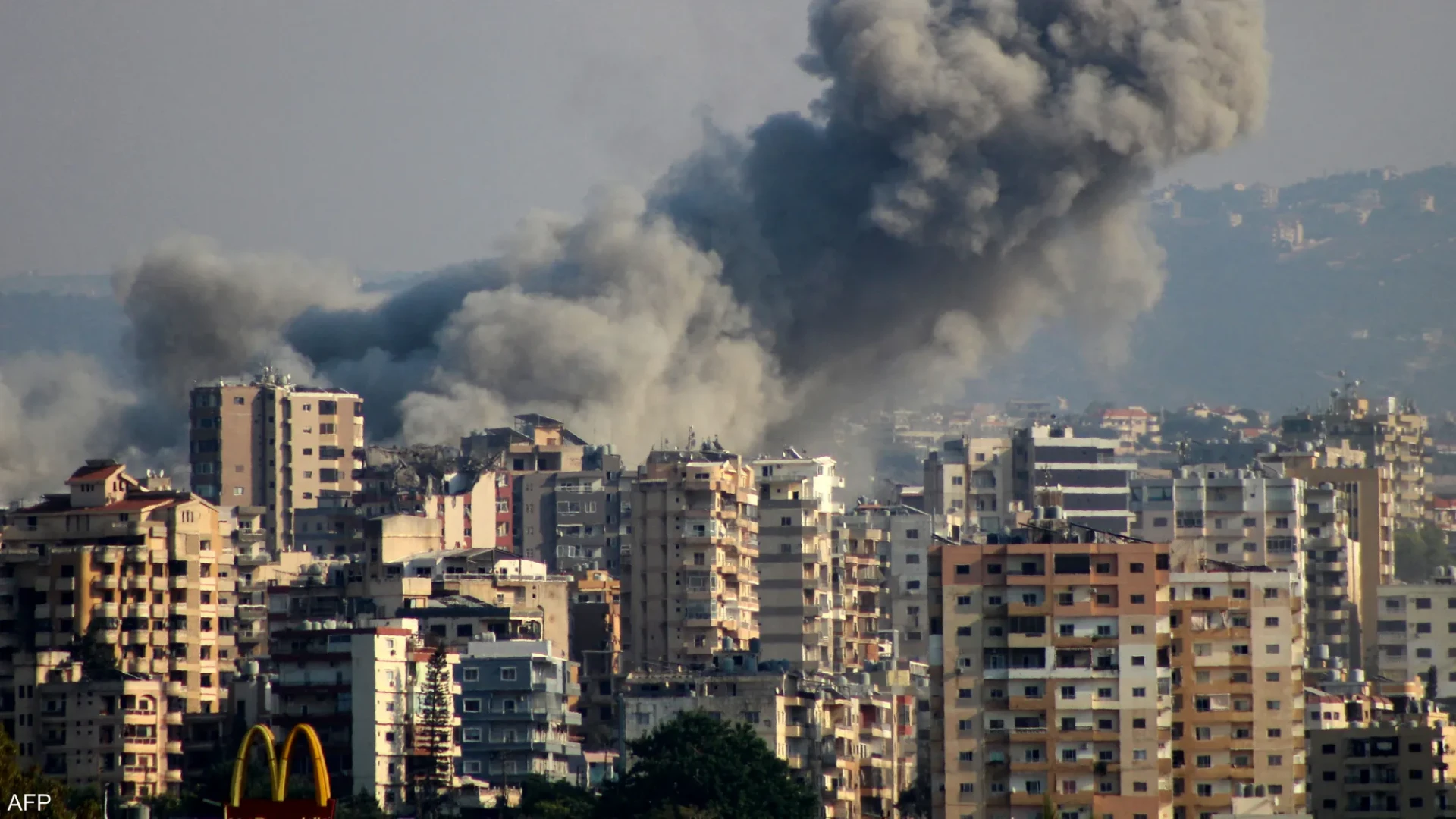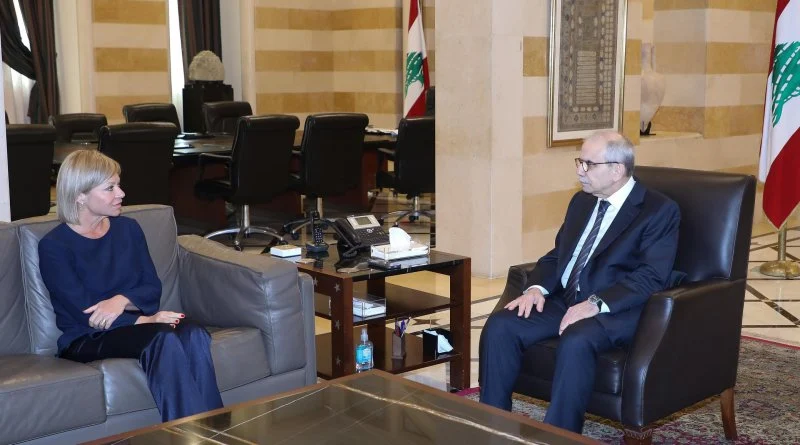
Israeli forces have intensified airstrikes deep into southern Lebanon, extending operations far beyond the established front line and buffer zone. This escalation comes despite a month-old ceasefire agreement. The strikes have impacted areas throughout South Lebanon, according to reports, indicating a significant broadening of military activity in the region. The ceasefire, which was announced a month ago and has now been extended for another 45 days, has unfortunately done little to curb the intensity of Israel’s attacks.
Mounting Civilian Toll
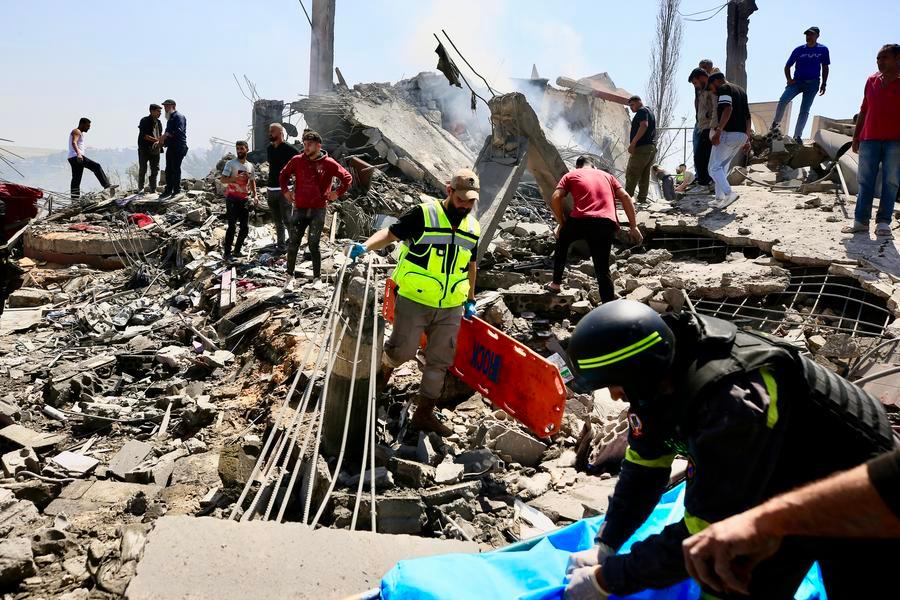
Civilian casualties are mounting in the ongoing strikes, affecting migrant workers, refugees, and rescuers. Hospitals in Nabatieh have been routinely receiving victims injured in successive drone strikes, noting the immediate and severe impact on the local population. The impact of these strikes extends to individuals displaced by the conflict, who often find themselves in precarious situations without adequate protection. The continued targeting of areas populated by civilians raises serious humanitarian concerns.
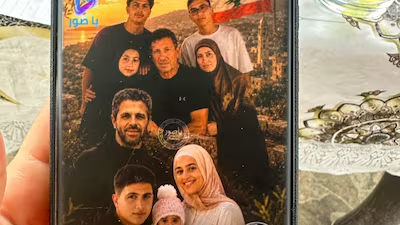
An Israeli strike on May 9 hit a villa that was sheltering a family displaced from Jibshit. This particular incident tragically illustrates the dangers faced by those seeking refuge from the persistent hostilities in the region. The attack on the residential structure shows the risks faced by civilians, even when they attempt to relocate away from direct combat zones. The increasing number of non-combatants affected by the strikes notes the broader humanitarian consequences of the intensified operations in southern Lebanon, demonstrating a clear pattern of civilian harm.
Escalation Beyond Front Lines
Nabatieh, a city frequently impacted by these strikes, is located approximately 20km north of the Israeli border. This places it well outside the designated "buffer zone" established by Israel and even further from the primary front line of conflict, indicating a significant geographical expansion of military operations. The strategic targeting of areas deep within Lebanese territory suggests a shift in operational scope. The broader conflict between Hezbollah and Israel resumed on March 2, when Hezbollah initiated rocket launches into Israel. This resumption of hostilities set the stage for the current escalation, with both sides intensifying their actions. The continued strikes beyond the traditional conflict zones point to a deliberate strategy to exert pressure across a wider area of southern Lebanon.
Wider Conflict Statistics
The human cost of these renewed hostilities is substantial. More than 670 people have been killed since April 16 alone, marking a period of intense violence. Wider hostilities since March 2 have resulted in at least 2,896 deaths, painting a grim picture of the conflict's overall toll. These figures show the severity of the situation and the widespread impact on human lives. The Lebanese Health Ministry reported that Israel's subsequent air and ground attacks have killed at least 2,896 people, a figure that includes both combatants and a significant number of civilians. These attacks have displaced nearly a million people from the south, creating a massive humanitarian crisis and straining resources in host communities. Israeli troops have remained within the "yellow line", a de facto occupied zone comprising 50 Lebanese villages, further complicating efforts for displaced populations to return and rebuild their lives.
Voices from the Ground
A ceasefire announced a month ago, and recently extended for another 45 days, has had minimal impact on curbing Israeli attacks in the region. This lack of adherence to the ceasefire agreement has perpetuated a cycle of violence and instability. The impact on families has been devastating, as evidenced by tragic incidents. Nine members of the Fahs family were among those killed, including Mariam, an infant just a few months old, her mother Jana, and her grandmother. Such losses show the indiscriminate nature of some of the strikes and the profound grief inflicted upon communities. Hezbollah, identified as Israel's primary target, operates as both a militia and an influential political party in Lebanon, holding significant sway in the political landscape. Despite the ceasefire, Israeli strikes have continued, affecting civilians and infrastructure, demonstrating the ongoing challenges in achieving a lasting de-escalation. These ongoing operations highlight the persistent challenges to de-escalation efforts in southern Lebanon, with the humanitarian situation deteriorating and the prospect of peace remaining distant.