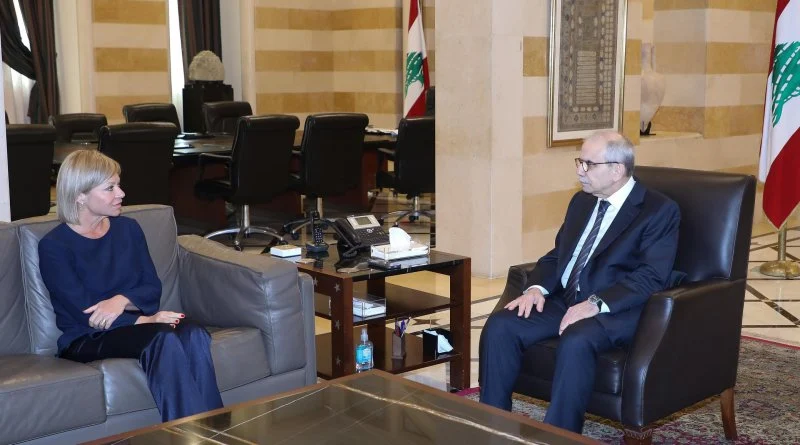
Prime Minister Dr. Nawaf Salam received UN Special Coordinator in Lebanon, Ambassador Jeanine Hennis-Blasquet, today at the Government Serail to discuss the latest developments in ongoing negotiations. The meeting, which took place at the Government Serail, focused on the latest developments related to the start of these key negotiations and the associated political and security developments unfolding in the region. Their discussion specifically centered on the atmosphere of the negotiation process, ongoing international communications regarding this sensitive stage, and challenges related to a ceasefire and security arrangements on the border amid continued escalation in the south. These significant discussions occurred as negotiation rounds with Lebanese and Israeli delegations, sponsored by the US, commenced at the US State Department in Washington. The timing of this meeting is particularly critical for Lebanon, as the country faces broad internal division over the nature and political and security limits of these negotiations. The commencement of these negotiation rounds in Washington, under US sponsorship, marks a key moment for regional stability.
During the meeting, Prime Minister Salam stated, "It is regrettable that some call Israel's occupation of more than 60 towns in southern Lebanon a 'victory'." He added, "Enough incitement and treason, this will not and will not intimidate us, as we are firm in our national choices and strong with the support of the majority of Lebanese for them." Salam also affirmed, "The state is founded only on one national decision, the decision of its constitutional institutions, one weapon, the weapon of its national army, and one law." These statements show the Lebanese government's firm stance amidst the complex political landscape.
Diplomatic Push for Stability
The UN Special Coordinator, Ambassador Jeanine Hennis-Blasquet, plays a fundamental role in monitoring international communications related to consolidating stability in Lebanon. This role is especially key concerning the implementation of Resolution 1701, the cessation of hostilities, and preventing any further escalation towards a full war in the region. The Lebanese government is intensifying its political and diplomatic communications to closely follow up on the negotiation process. This extensive effort includes official confirmation of internal coordination between the presidents and all relevant parties involved in the negotiation file, ensuring a unified national approach.
According to the Lebanese delegation returning from Washington, significant progress was made regarding future coordination mechanisms. The delegation stated that the United States will facilitate military communication and coordination between Lebanon and Israel. This key coordination is slated to occur through a dedicated security track, which is scheduled to be launched on May 29, indicating a concrete step towards de-escalation and stability. The Lebanese delegation further emphasized that the launch of an official political track reflects Lebanon's constructive engagement in the peace process and significantly enhances the chances of reaching a lasting peaceful solution. This dual-track approach, encompassing both security and political dimensions, is seen as vital for addressing the multifaceted challenges in the border region.
Southern Front Developments
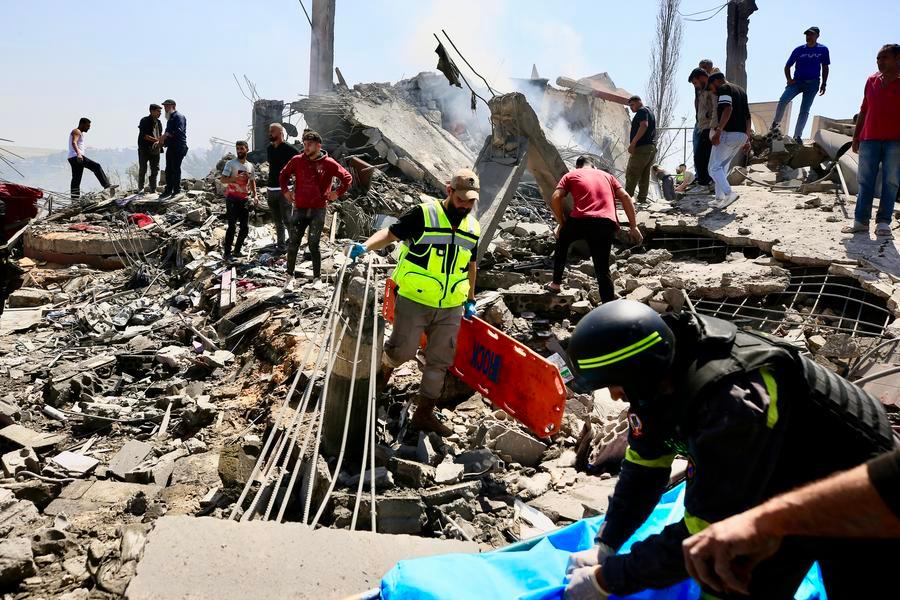
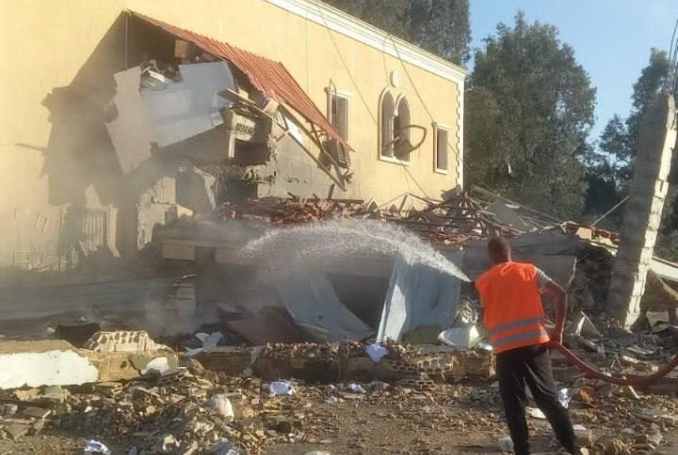
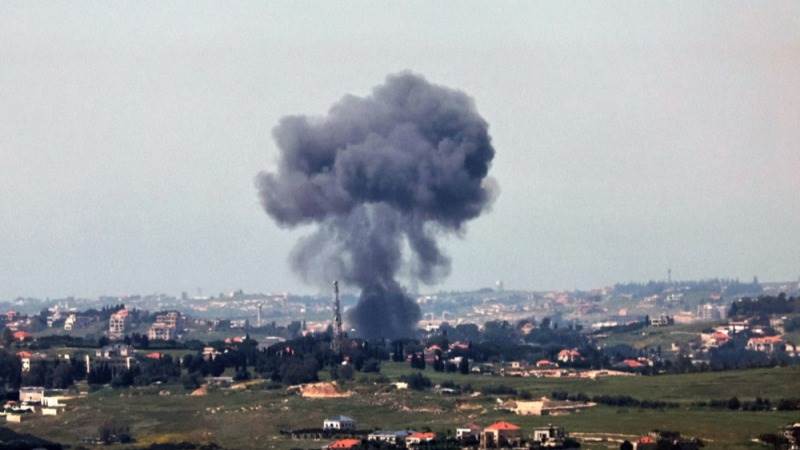
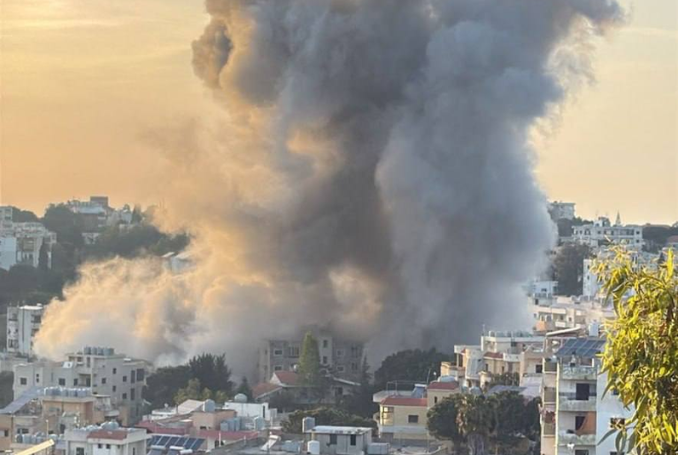
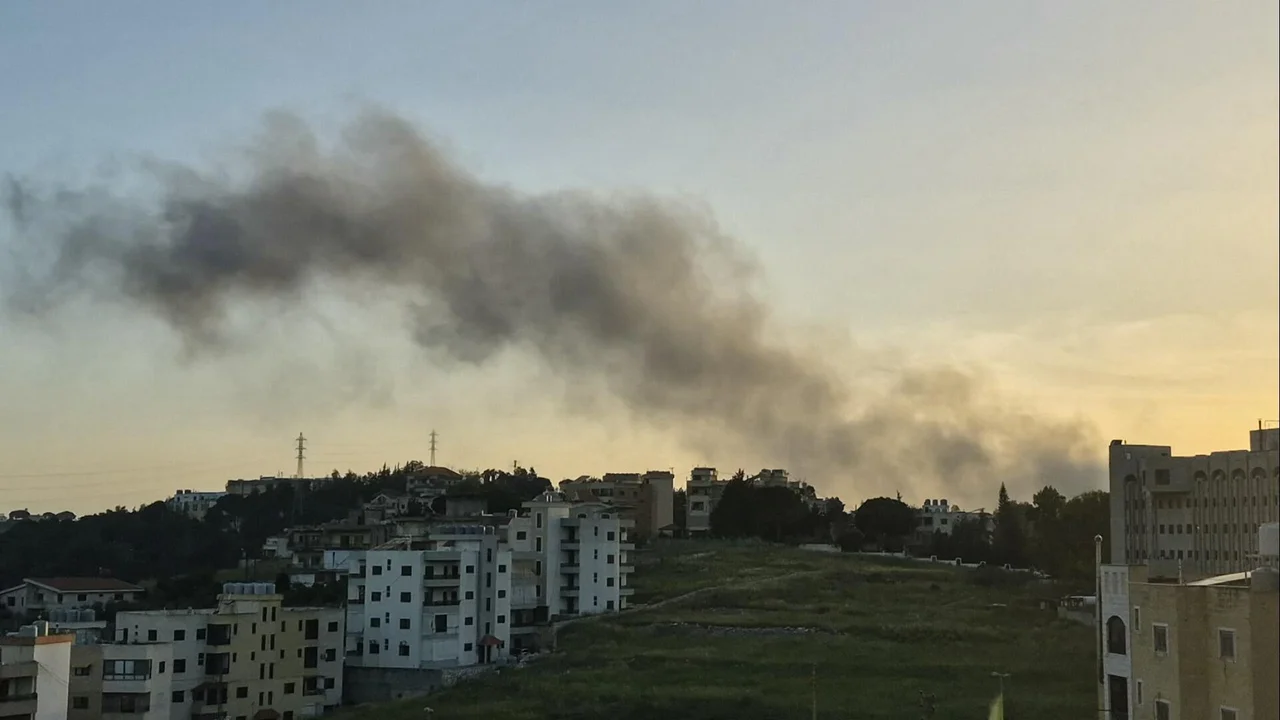
The United Nations is closely monitoring developments in southern Lebanon, amidst heightened concerns regarding a potential expansion of the military confrontation in the region. This vigilance comes as Israeli raids and military movements persist on both sides of the border, contributing to an atmosphere of tension and uncertainty. The situation shows fears among international observers of a widening conflict, with ongoing military activity contributing to a volatile and unpredictable environment. The UN's continuous monitoring efforts aim to prevent further escalation and maintain stability in the border region by documenting and reporting all significant incidents.
Meanwhile, Israeli media reported details concerning recent military operations in the area, providing specific insights into the intensity of the exchanges. According to these reports, three fighter jets were involved in targeting the location of Al-Haddad. These aircraft reportedly dropped 13 bombs during the operation, signaling renewed intensity in the exchanges between the parties. Such reports highlight the continued military actions by both sides, which remain a central component of the UN's monitoring efforts as the international body seeks to prevent further escalation and maintain stability in the border region. The precision and scale of these reported operations add to the urgency of the diplomatic efforts underway.
Prime Minister's Stance
Prime Minister Dr. Nawaf Salam expressed regret regarding certain characterizations of events in southern Lebanon. Salam stated, "It is regrettable that some call Israel's occupation of more than 60 towns in southern Lebanon a 'victory'." He further commented on internal discourse, asserting, "Enough incitement and treason, this will not and will not intimidate us, as we are firm in our national choices and strong with the support of the majority of Lebanese for them." The Prime Minister emphasized the foundational principles of the Lebanese state, articulating a clear vision for national unity and sovereignty. Salam affirmed, "The state is founded only on one national decision, the decision of its constitutional institutions, one weapon, the weapon of its national army, and one law." This declaration reinforces the government's commitment to a unified national approach to security and governance. Meanwhile, an optimistic outlook on the negotiation process was conveyed by Israel. The Israeli Ambassador to Washington stated that the chances of successful negotiations with Lebanon are great, signaling a potential for positive outcomes despite the ongoing complexities.