President Trump on Sunday responded to Iran's official communication regarding the most recent U.S. Proposal aimed at resolving the three-month-old conflict. The U.S. Initiative sought to de-escalate tensions and potentially pave the way for a lasting cessation of hostilities between the involved parties. Holly Williams reports on the ongoing situation from Tel Aviv. Her dispatches detail the regional implications and reactions to the diplomatic efforts, providing key on-the-ground insights into the complex dynamics at play. The Iranian response is a critical juncture in the stalled diplomatic process, influencing future engagement between the U.S. And Iran and shaping the prospects for regional stability. The ongoing conflict in Israel and Lebanon continues to complicate these high-level discussions, creating significant hurdles for diplomatic breakthroughs.
Diplomacy Stalemate
The diplomatic efforts between the U.S. And Iran have reached an impasse, largely influenced by the escalating conflict between Israel and Lebanon. President Trump recently received an official communication from Iran regarding the latest U.S. Proposal aimed at de-escalating the three-month-old conflict. This Iranian response marks a critical juncture in the ongoing, stalled diplomatic process, requiring careful consideration from U.S. Policymakers. President Trump on Sunday reacted to Iran's official response to the latest U.S. Proposal to end the three-month old war, showing the high stakes involved in these exchanges.
The U.S. Initiative sought to outline terms for a potential cessation of hostilities, hoping to pave the way for more stable regional dynamics and reduce the immediate threat of wider escalation. However, the intertwined nature of the Israeli-Lebanese conflict continues to complicate these high-level discussions, making it challenging to isolate and resolve specific diplomatic tracks. News correspondent Holly Williams, reporting from Tel Aviv for CBS News, has been detailing the regional implications and reactions to these diplomatic endeavors. Her dispatches consistently highlight how the continued fighting creates significant hurdles for any progress in U.S.-Iran relations, effectively stalling broader efforts to reduce tensions across the Middle East. The lack of a clear path forward in the Israeli-Lebanese conflict directly impacts the feasibility of other diplomatic overtures.
Ongoing Conflict
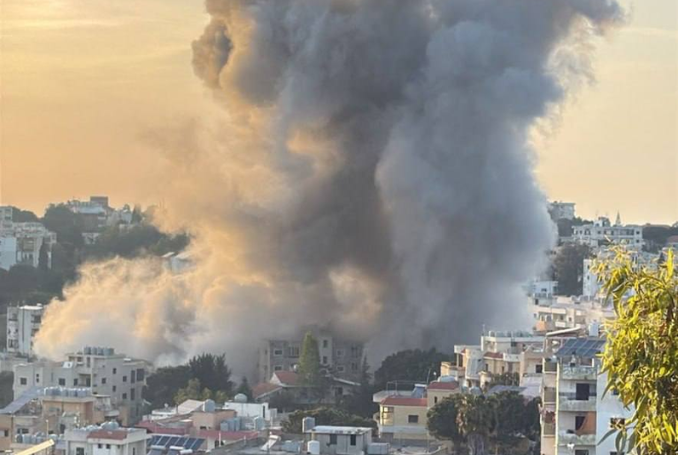
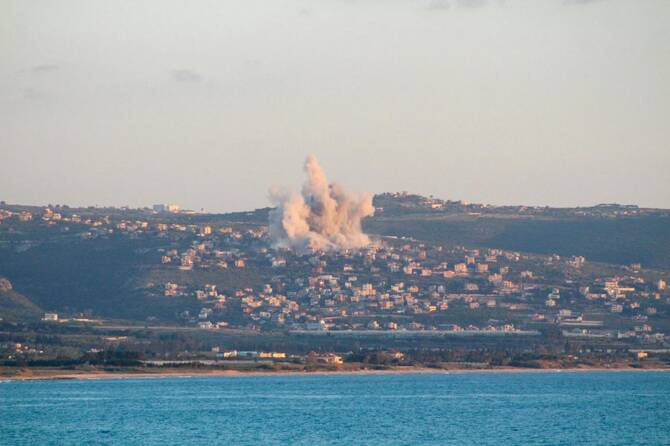
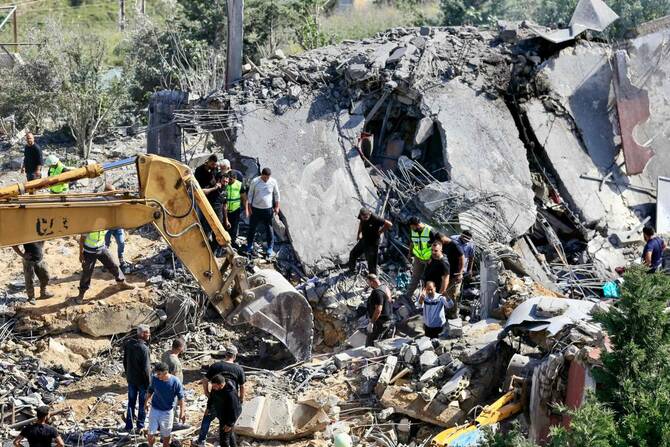
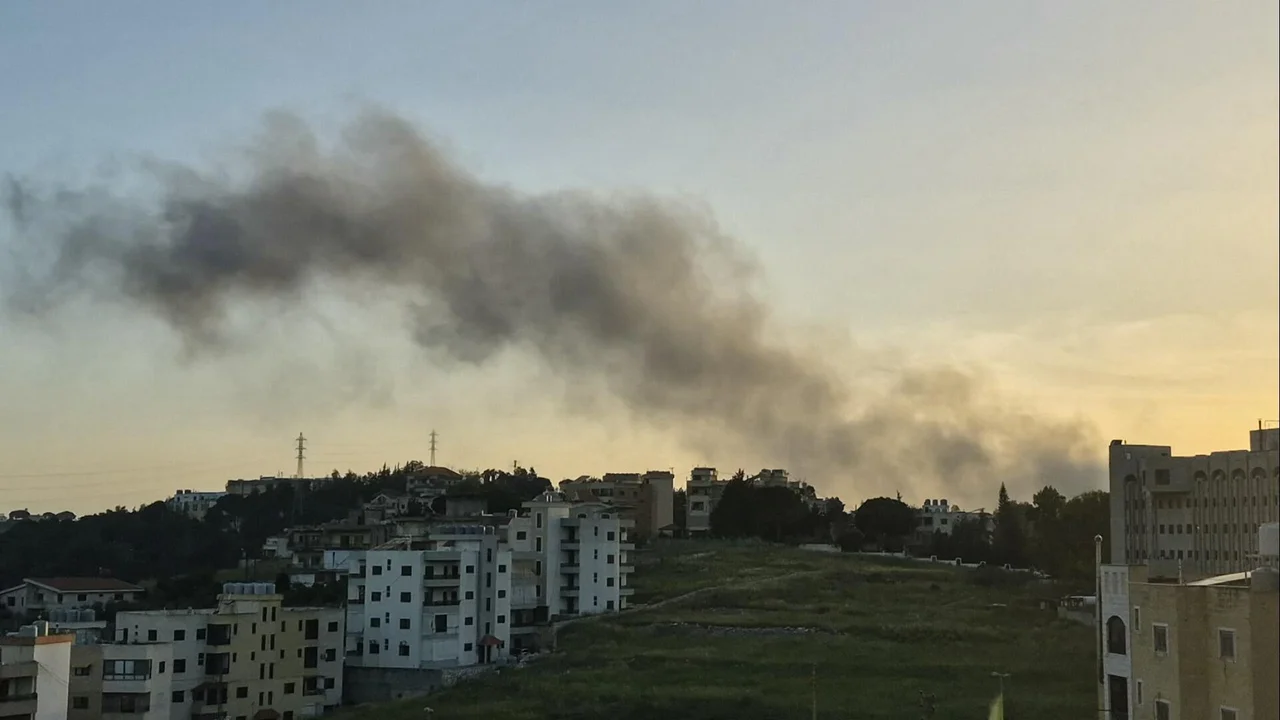
Fighting persists between Israel and Lebanon despite efforts to establish a ceasefire. Indeed, fighting continues between Israel and Lebanon despite a ceasefire that was intended to halt hostilities and provide a window for de-escalation. The ongoing hostilities between the two nations continue to complicate broader diplomatic endeavors in the region, diverting focus and resources from other pressing issues. This continued conflict has been a significant factor contributing to the current stalemate in discussions between the U.S. And Iran, as regional instability makes it difficult to build trust and achieve consensus. The persistent military engagements make it difficult for external parties to broker lasting peace agreements or de-escalation measures, as the ground situation remains highly volatile. Observers note that the unresolved situation on the Israel-Lebanon border casts a shadow over any potential breakthroughs in regional stability, creating an environment of uncertainty. The lack of a firm cessation of hostilities between Israel and Lebanon thus directly impacts the viability of other diplomatic initiatives, including those involving the U.S. And Iran.
Broader Context
The broader regional landscape significantly influences the trajectory of U.S.-Iran relations. The persistent conflict between Israel and Lebanon, now in its third month, directly impacts the viability of diplomatic overtures and complicates efforts to foster regional stability. Efforts by the U.S. To engage Iran on de-escalation are consistently weighed against the backdrop of ongoing hostilities, which often overshadow diplomatic progress. For example, President Trump's recent receipt of Iran's communication regarding a U.S. Proposal occurs while tensions remain high on Israel's northern border, making any diplomatic breakthrough more challenging to achieve. Reporting from Tel Aviv, CBS News correspondent Holly Williams has detailed how this regional instability complicates any path towards a cessation of hostilities, emphasizing the interconnectedness of these events. The intertwined nature of these conflicts means that progress on one front often depends on the stability of others, creating a complex environment for U.S. Foreign policy and requiring a multifaceted approach to regional challenges.