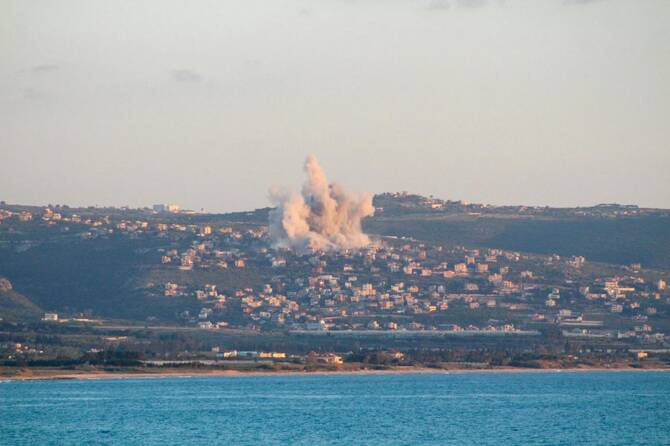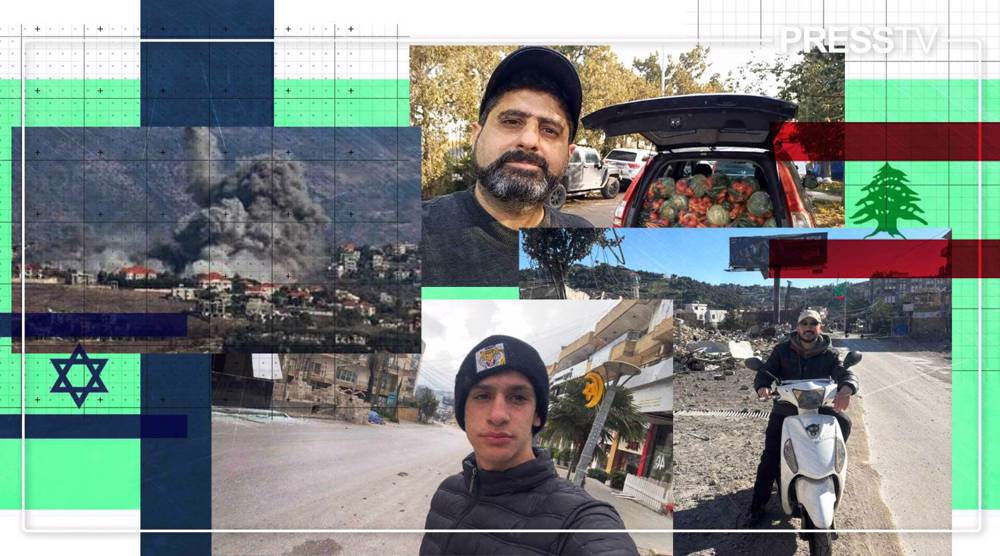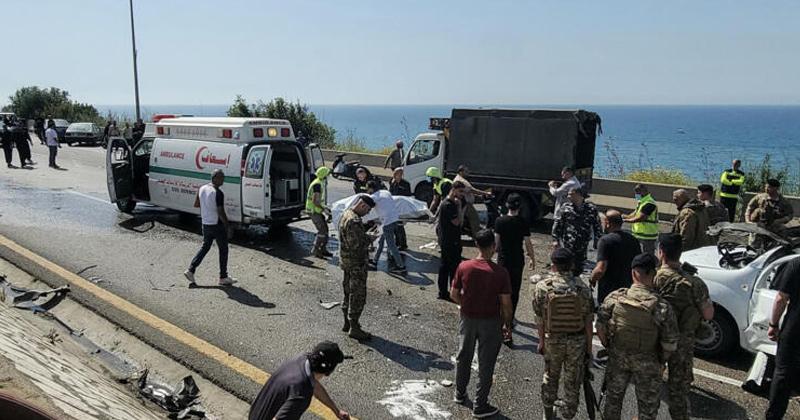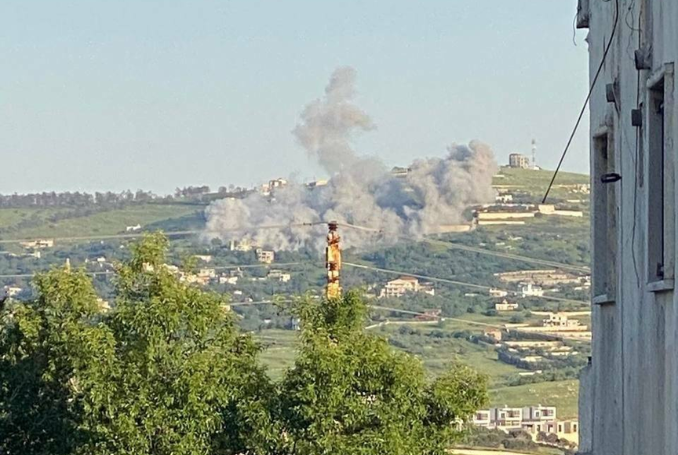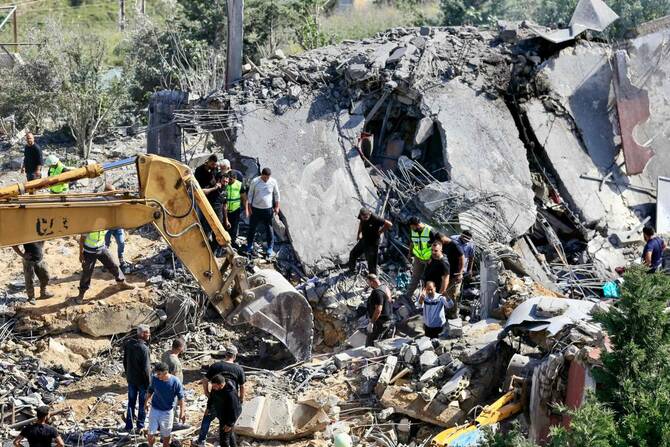
Two paramedics affiliated with the Islamic Health Committee were killed, and five others sustained injuries on Sunday in Israeli strikes targeting southern Lebanon. The incident occurred despite an ongoing ceasefire, according to reports. The Islamic Health Committee is linked to Hezbollah, a prominent political and paramilitary organization in Lebanon. The strikes took place in Lebanon's south, a region frequently impacted by cross-border hostilities, raising significant concerns about the stability of the area and the safety of humanitarian workers. The attacks have drawn sharp condemnation, particularly given the protected status of medical personnel under international law.
Specifics of the Attack
Lebanon's health ministry stated that the Israeli strikes "directly targeted, with two strikes, two Health Committee sites." This direct targeting of medical facilities and personnel has been a central point of the Lebanese government's protest. In Qalaway, one paramedic was killed and three others were wounded during the incident. The strike in Qalaway resulted in immediate casualties among those providing essential medical services. Another paramedic was killed and two others sustained injuries in Tibnin, marking a second tragic loss of life and further injuries within the same day. Both attacks occurred on Sunday, 10 May 2026, intensifying the already volatile situation in the border region. The precise nature of the strikes, involving two distinct locations and multiple casualties, indicates a deliberate action that has escalated tensions.
Ministry Condemnation
Lebanon's health ministry strongly condemned the Israeli actions, stating that they constituted a "violation of international laws." The ministry's remarks came in the wake of the strikes that killed two paramedics and injured five others in southern Lebanon on Sunday, 10 May 2026. The incidents unfolded despite a ceasefire, raising critical concerns about adherence to international protocols designed to protect medical personnel in conflict zones. The ministry emphasized the need to respect the sanctity of healthcare workers and facilities, which are afforded explicit protection under international humanitarian law, particularly the Geneva Conventions. This official denunciation notes the Lebanese government's alarm over the targeting of medical staff and infrastructure during the ongoing regional tensions. The ministry further showed that such attacks impede the delivery of key medical aid to affected populations, thereby exacerbating humanitarian crises. They called for an immediate investigation into the incidents and reiterated the imperative for all parties to uphold their obligations under international law to safeguard civilians and non-combatants, especially those engaged in life-saving activities.
Broader Context
The recent Israeli strikes in southern Lebanon, which killed two paramedics and injured five others, occurred amidst a broader international effort to maintain a ceasefire. The incidents on Sunday, 10 May 2026, in Qalaway and Tibnin, show the continued volatility in the region, threatening to unravel fragile peace efforts. Hezbollah, to which the Islamic Health Committee is linked, has been involved in skirmishes across the border, leading to heightened tensions and reciprocal actions. The Lebanese health ministry's condemnation of the strikes as a "violation of international laws" reflects the ongoing challenges in protecting medical personnel and facilities in conflict zones. These events follow a period where multiple parties have called for de-escalation and adherence to international humanitarian law to prevent further loss of life and damage to critical infrastructure in Lebanon's south. The targeting of paramedics, who are non-combatants providing humanitarian assistance, is regarded as a severe breach of these principles and could have broad implications for future humanitarian operations in the area. The international community is closely monitoring the situation, with calls for restraint and respect for established norms governing armed conflict.