Hundreds of thousands of Lebanese civilians returned to South Lebanon in mid-April when a ceasefire was declared. The influx of people sought to resume their lives in areas previously affected by conflict. Many residents had been displaced from their homes, and the ceasefire provided an opportunity for them to assess damage and begin recovery efforts.
Choosing to Remain
Thousands of Lebanese civilians have chosen to stay in South Lebanon despite threats and evacuation orders. One such resident, Abou Haidar, has witnessed three wars in Nabatiyeh—in 2006, 2024, and 2026—and has consistently remained in his village throughout these conflicts. He stated that these acts of aggression have "built our resilience, our character, and our inner strength." For Abou Haidar, staying is a fundamental right. "It is our basic right to live in our country peacefully," he affirmed, adding, "As we sing in our national anthem, ‘All of us! For the homeland, for the glory, for the flag!’ We never usurped anyone’s land. This is our homeland, and we will not leave here unless over our dead bodies."
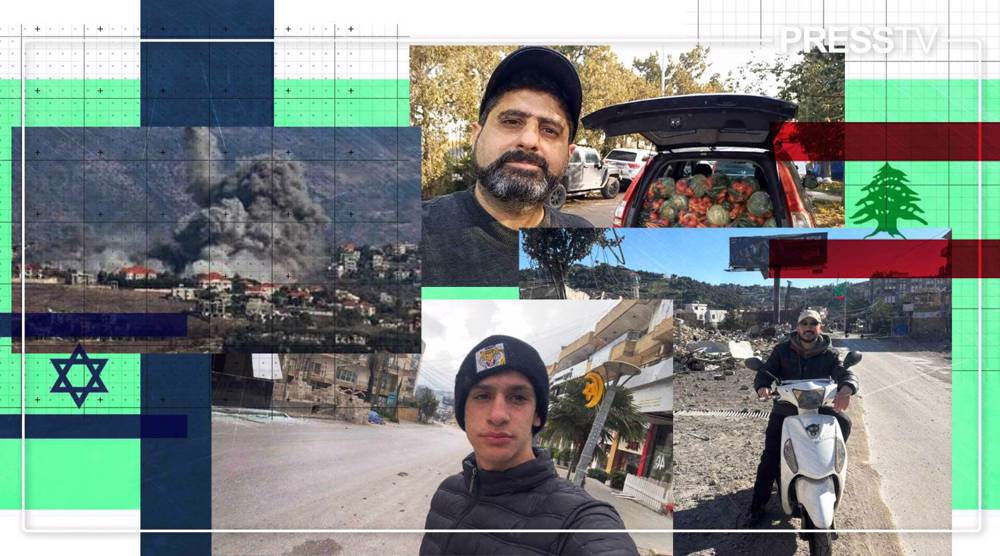
Abou Haidar outlined the priorities for those who chose to remain. "Water, food and medicine are the main elements to staying steadfast," he noted. He explained his personal contribution: "I have a motorcycle, and I can move around easily, so I decided to help those who have no means of transportation or are elderly." Beyond practical support, he emphasized community solidarity, stating, "We also try to encourage one another, spread positive vibes and heighten our morale." While acknowledging the validity of displacement as a strategy—"being displaced is also another form of resistance – to endure and be patient and allow the resistance to carry out its duty in confronting the usurper regime, especially in the frontline villages of South Lebanon"—he expressed a personal conviction to stay. He elaborated, "But as long as we know and believe we are facing a cruel enemy that is trying to steal our land and destroy our tiny dreams of living with our families and friends peacefully on our own land, and we have the chance to stay and help, we are willing to take this journey and enjoy it too!" Abou Haidar also expressed skepticism about external influences, claiming, "For years, the US has tried its best to weaken the Lebanese army and the Lebanese system, probably thinking this might help Israel in defeating us easily." He concluded, "But what they do not know is this: our will and determination cannot be defeated. If there is no system, we create our system." He described this collective system of support: "We all provide each other with services in our areas of expertise. For instance, I am a plumber. I provide free services to anyone during the war. That is my share in this battle. The doctors, pharmacists, gardeners, drivers – all are Lebanese civilians willing to help their society in times of hardship."
Grassroots Support Networks
Residents in places like Nabatiyeh, Tyr, and surrounding villages have established networks to offer shelter, supplies, and solidarity to one another. Young Lebanese men and women have built what they describe as a 'support system' for civilians who report not receiving enough social services or aid from the Lebanese government. Civilians are providing services based on their expertise, such as plumbing, medical aid, and the distribution of goods.
Mohammad Maatouk uses his minivan to distribute food and medicine to neighbors and friends in Tyr, explaining his motivation. "We are here to serve the steadfast people. If we die, we die with dignity – we get martyred on our own land," Maatouk stated. "As long as we breathe the air of South Lebanon, we are happy and satisfied. And the Israeli enemy must know that if it wants to occupy our land, this will only happen if we are all martyred." Maatouk further asserted, "Israel has been butchering civilians, mostly elderly citizens, women and children, across Lebanon, mainly the South, violating all human rights norms and war protocols ever since its illegal establishment." Despite this, he affirmed, "But we are not afraid. We believe we have wise leadership, a strong and patient resistance, and a resilient people. We will forever be alive—whether living our daily lives and resisting occupation, or winning as martyrs."
In Kfardounin, Taghreed bakes fresh bread on her saj for family, friends, and others in the community. "We have made a decision to remain steadfast and show the enemy that we have a strong belief: this land is our land, and nothing will stop us from living here – not even the Israeli lunatics," Taghreed said. She added, "Not only have we decided to stay here, but we have created a system of social service and welfare. We, the civilians who decided to remain despite the Israeli continuous raids and bombardment, help one another and make sure we all have sustenance." Taghreed described her contribution: "I bake with so much love that it can beat the sounds of raids and bombs. I feed family, friends, and everyone who smells my bread." She also noted the strengthened community bonds, stating, "It is like we are no longer just people of the same land—we have become one big family, united to protect our home: Lebanon." Taghreed concluded, "We have a strong belief that we will win this war, just like martyr Sayyed Hassan Nasrallah promised us."
Haidar Karrar, a teenager, distributes food, water, diapers, and other daily necessities to people who have chosen to remain. "I know you might think I am young, but I am big at heart and mind," Karrar said. "I distribute food, water, diapers, and all sorts of daily needs to the people who have decided not to leave, but rather remain steadfast. Our determination is louder than any words. This land is our land, and no one can kick us out." Karrar also issued a challenge, stating, "I am challenging the Israeli enemy today – either victory or martyrdom. In fact, we should thank Israel for turning us, the young generation, into aware and genuine people."
Resilience and Dignity
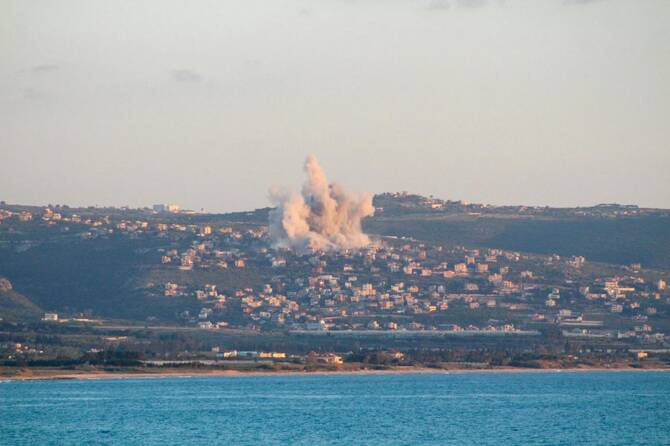
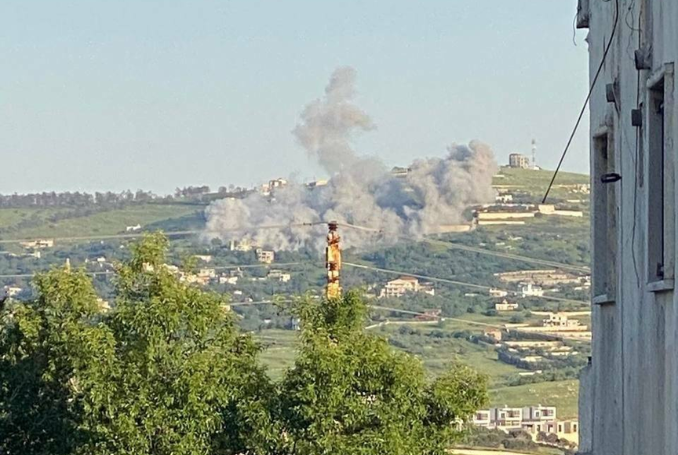
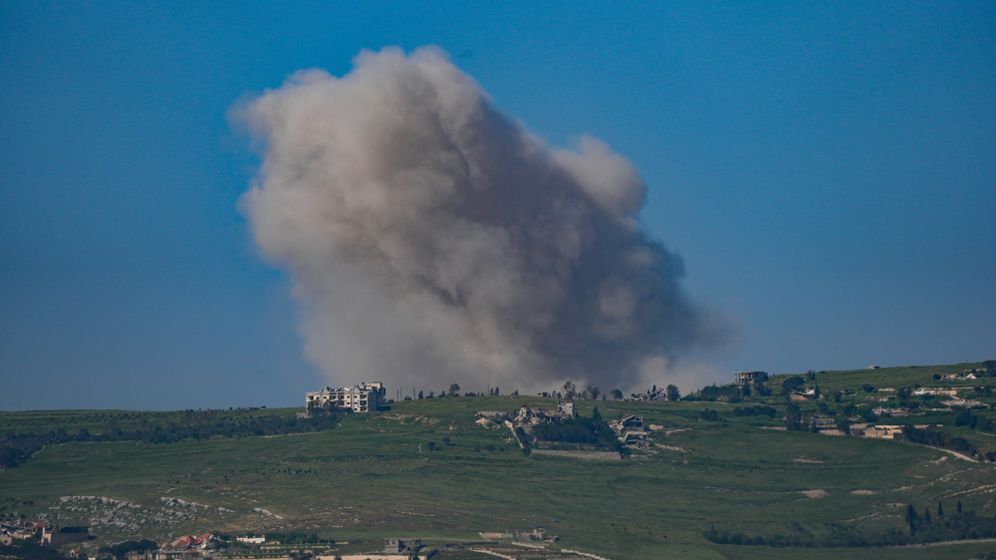
Following a ceasefire, the Israeli military resumed attacks on dozens of towns across South Lebanon and the Western Bekaa area. These actions have intensified the challenges faced by residents who have chosen to remain in their homes.
Amidst these renewed attacks, a prevailing sentiment among the steadfast people of South Lebanon is 'Living with dignity or becoming happy martyrs'. This perspective shows a deep-seated resolve to remain on their land despite the ongoing conflict. Residents continue to navigate daily life under the threat of military operations, yet they express a strong commitment to their homes and communities. The choice to stay is often articulated not merely as an act of defiance, but as an assertion of their right to their land and their identity. This belief system influences how civilians perceive the risks and sacrifices associated with remaining in areas subject to bombardment. The emphasis on 'dignity' reflects a desire to control their own fate and narrative, rather than being forced to abandon their homes. The concept of 'happy martyrs' notes a spiritual or ideological dimension to their steadfastness, suggesting that dying on their land is seen as a noble outcome if their presence contributes to what they view as a just cause. This sentiment informs their resilience in the face of ongoing military pressure and shapes their collective response to the conflict.