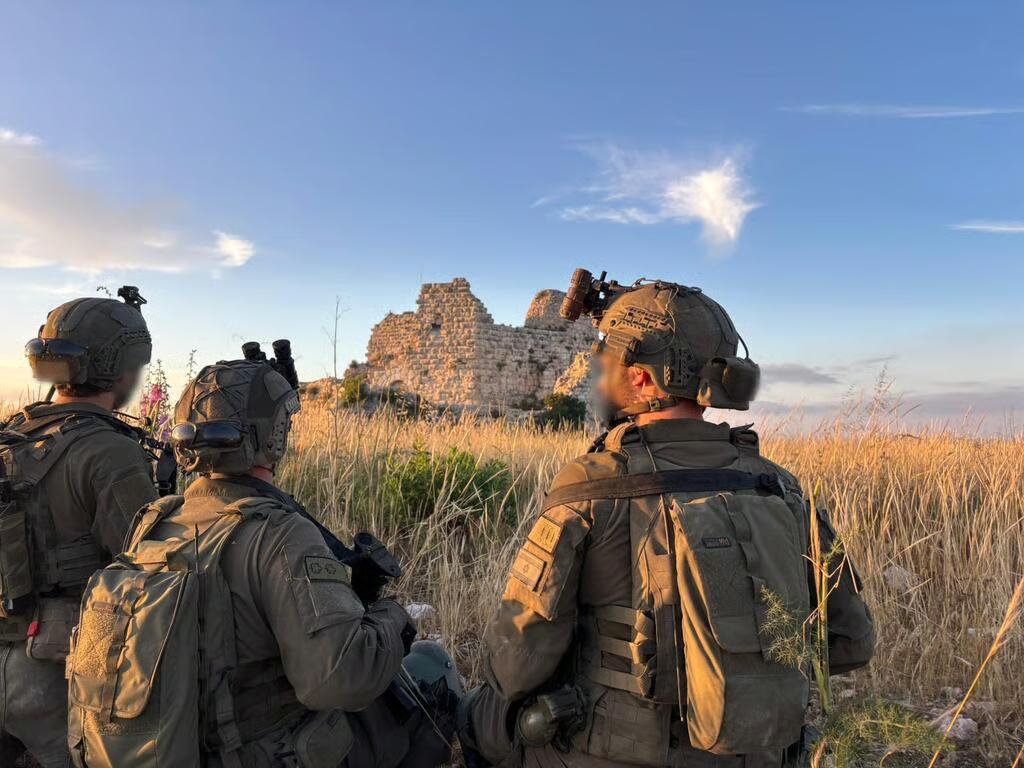
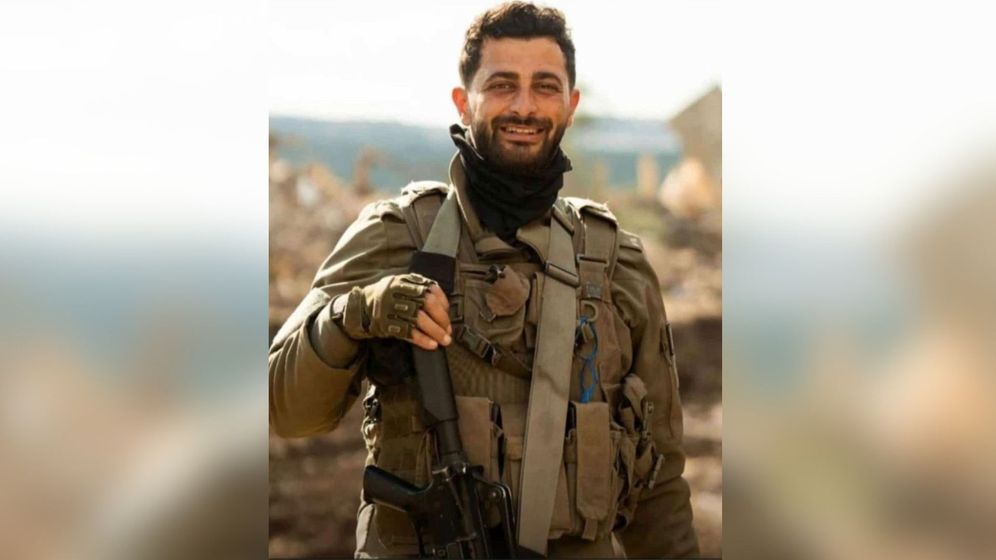
The Israel Defense Forces (IDF) released footage today showing strikes against Hezbollah positions in southern Lebanon. The military operation specifically targeted individuals identified as Hezbollah terrorists in the region. The IDF stated that these actions were conducted in response to ongoing security concerns along the border, emphasizing their commitment to protecting Israeli personnel and communities. This footage provided visual confirmation of the military's operations against the militant group.
IDF Operation Details
The Israel Defense Forces (IDF) reported on Thursday that Israeli air and ground forces conducted strikes against Hezbollah operatives in southern Lebanon. The IDF confirmed that these strikes were precisely aimed at Hezbollah terrorists. The military stated that these actions were taken because the individuals posed a direct threat to Israeli troops operating in the area, necessitating an immediate response to neutralize the danger. The IDF's statement indicated that the operation was focused on neutralizing immediate dangers emanating from Hezbollah's presence near the border, specifically targeting those identified as an active threat. This engagement is part of the ongoing security activities conducted by Israeli forces in the region, which have intensified in recent months.
The strikes utilized both aerial assets and ground units, reflecting a coordinated approach to target Hezbollah's operational capabilities and infrastructure. The deployment of both air and ground forces notes the full nature of the IDF's response to perceived threats, aiming for maximum effectiveness while minimizing risks to their own personnel. This combined strategy allows for precision targeting and rapid engagement with militant cells. The IDF has consistently maintained that its operations in southern Lebanon are defensive measures aimed at protecting Israeli communities and personnel from potential attacks originating from Hezbollah positions, which are often located in close proximity to the border. The military did not provide specific details on the exact locations of these strikes or the number of operatives targeted, beyond identifying them as Hezbollah terrorists and outlining the threat they posed to Israeli forces. The operations are described as a necessary component of maintaining security along a volatile frontier.
Context of Escalation
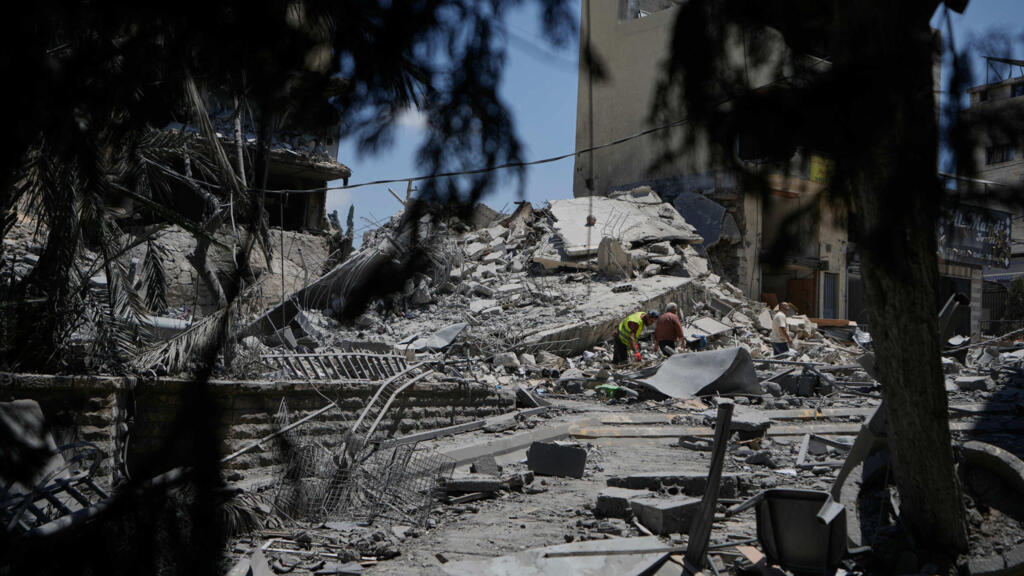
The ongoing military engagements in southern Lebanon reflect a heightened state of tension that has characterized the Israel-Lebanon border region for several months. These recent actions by the Israel Defense Forces (IDF) are part of a broader pattern of exchanges between Israeli forces and Hezbollah, which intensified following events in the broader Middle East. The area has become a focal point for military activity, with both sides reporting strikes and defensive measures, indicating a persistent and dynamic security challenge. This continuous military interaction shows the fragile nature of the ceasefire and the enduring animosity between the two entities.
The IDF has consistently stated that its operations are aimed at neutralizing threats emanating from Hezbollah's presence near the border, particularly targeting operatives and infrastructure that could be used for attacks against Israeli personnel or communities. This proactive approach is framed as essential for preventing larger-scale conflicts and ensuring regional stability. Hezbollah, a powerful Shiite political party and militant group, maintains a significant presence in southern Lebanon and has previously engaged in rocket fire and other military actions across the border, contributing to the cycle of violence. The group’s extensive arsenal and strategic positioning pose a constant concern for Israeli defense planners. These exchanges have periodically led to civilian displacement on both sides and concerns from international observers about potential escalation, noting the humanitarian impact of the ongoing conflict. International bodies and diplomatic efforts have frequently called for de-escalation, but the underlying tensions persist. The regional dynamics contribute to the volatility, with various actors closely monitoring developments along this frontier, understanding that a miscalculation could have broad consequences. The continuous cycle of strikes and counter-strikes shows the fragile security situation in southern Lebanon and the broader Levant.
Broader Regional Impact
The ongoing IDF strikes in southern Lebanon against Hezbollah targets contribute to a broader regional geopolitical landscape already marked by significant tension. These military engagements reflect the complex and interconnected security dynamics across the Middle East, where local conflicts often have wider implications. The actions along the Israel-Lebanon border are viewed by regional observers as a critical barometer for potential wider escalations, influencing strategic calculations among various state and non-state actors in the area. The sustained exchanges raise concerns about the stability of the region, particularly given the historical volatility and the presence of diverse influences in southern Lebanon. This delicate balance of power means that each military action is scrutinized for its potential to trigger a larger confrontation, affecting alliances and regional security postures. The international community continues to monitor the situation closely, advocating for restraint to prevent a further deterioration of the security environment.