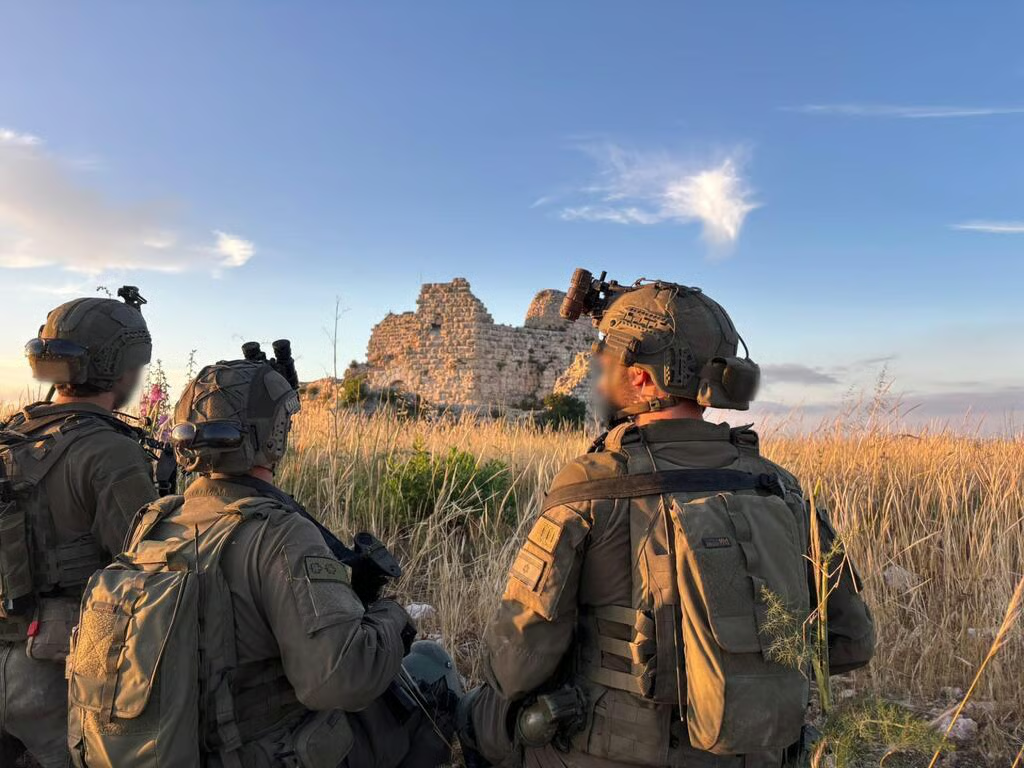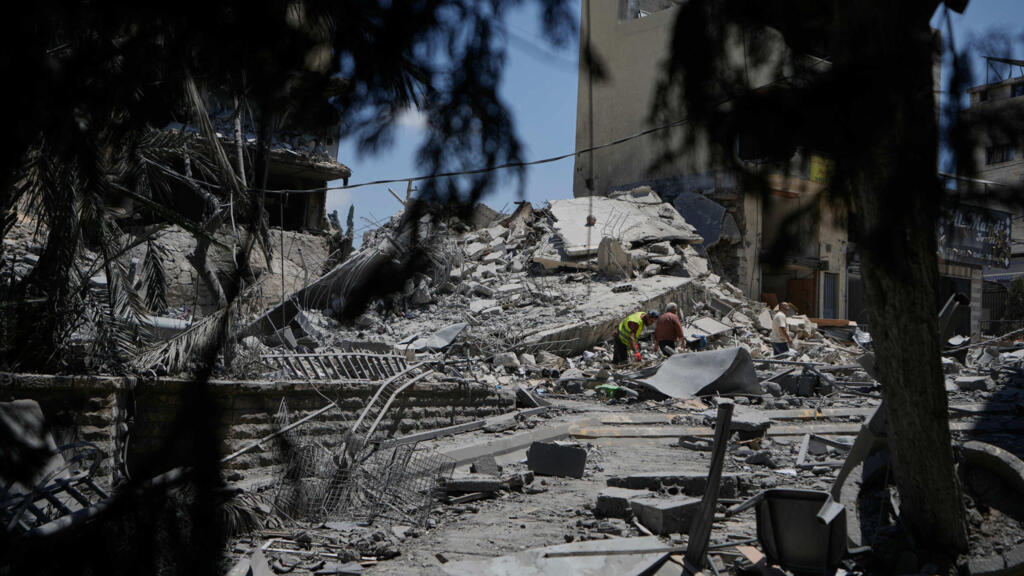
Israel stated it would only withdraw its forces from south Lebanon once Hezbollah was disarmed, linking its military presence to the militant group's weaponry. This declaration followed an Israeli strike in southern Lebanon which killed three people, according to Lebanese state media. The incident occurred as tensions remain high in the region, marking the third deadly incident since Tuesday.
Hezbollah described the strike, which targeted a vehicle, as a "violation." The Lebanese state media reported the fatalities in the wake of the attack, further escalating concerns about regional stability. This incident, which was the third deadly one since Tuesday, brought the total number of people killed in Israeli attacks this week to seven.
Escalating Border Tensions
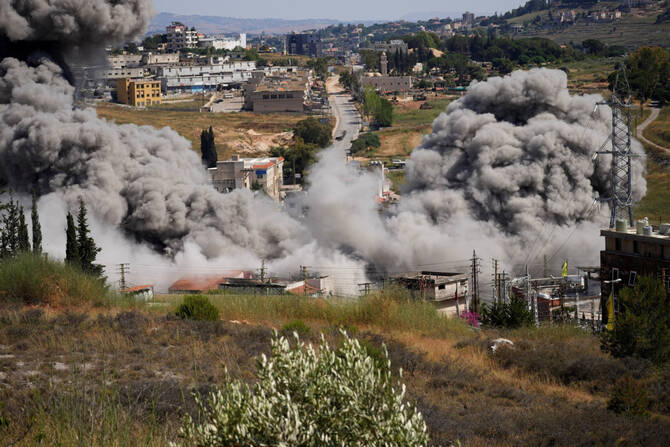
An Israeli strike on a vehicle in southern Lebanon killed three people, Lebanese state media reported, marking the third deadly incident since Tuesday. Lebanon's state-run National News Agency stated that "three people were killed and one person was wounded when an enemy drone targeted a ... Vehicle on the road between Zawtar and Mayfadoun." This incident brings the total number of people killed in Israeli attacks this week to seven. This particular strike was the third deadly incident since Tuesday, adding to the escalating violence.
Hezbollah accused Israel of a new ceasefire "violation" after an Israeli drone killed two people in southern Lebanon, following two previous deaths from Israeli gunfire. The Israeli military confirmed it carried out an airstrike, stating it targeted suspected Hezbollah militants who had crossed into the "security zone" Israel maintains in southern Lebanon. The Israeli military further specified that the airstrike was aimed at suspected Hezbollah militants who had entered the so-called 'security zone' it has established in southern Lebanon.
In related diplomatic developments, Iranian Foreign Minister Abbas Araqchi reported a productive call with Omani Foreign Minister Badr Albusaidi. This call showed ongoing regional diplomatic engagements amidst the heightened tensions. Meanwhile, US President Donald Trump faced pointed criticism over the Iran conflict during a closed-door meeting with fellow Republicans on Wednesday, where he reportedly called the situation "unacceptable." During this meeting, President Trump reportedly expressed his strong disapproval of the situation, noting the internal pressures facing the US administration regarding its Middle East policy.
Israel's Withdrawal Conditions
Israel has stated it would only withdraw its forces from southern Lebanon after Hezbollah was disarmed, a declaration made as the two countries engaged in US-mediated talks in Washington. David Mencer, a government spokesman, addressed journalists, saying, "We will not withdraw our forces from southern Lebanon as long as Hezbollah remains a threat, are not disarmed and are not demilitarised." This firm stance reiterates Israel's condition for any potential withdrawal from the region. Israeli Defence Minister Israel Katz reinforced this position, stating that Israel opposed withdrawing from the 'security zone' in Lebanon.
Katz further elaborated that the military would maintain its presence in what he described as 'security zones' in Lebanon, Syria, and Gaza for as long as deemed necessary, and would not withdraw from them. This position from the Israeli Defence Minister shows a long-term commitment to these areas, directly linking any potential Israeli withdrawal to the disarmament of Hezbollah. He added that the military's presence in these 'security zones' was non-negotiable as long as perceived threats persisted. This stance links any potential Israeli withdrawal directly to the disarmament of Hezbollah.
Meanwhile, the International Monetary Fund (IMF) is assessing the broader economic implications of regional tensions. IMF spokesperson Julie Kozack announced that in the next update of its World Economic Outlook on July 8, the Fund will decide whether to continue with the three growth scenarios it presented in April. These scenarios were specifically dependent on the outcomes of a potential war involving Iran, indicating the economic body's consideration of the conflict's potential impact on global growth projections. This decision notes the significant concern among international financial institutions regarding the potential for wider conflict and its ripple effects on the global economy.
Diplomatic Efforts and Regional Concerns
France and Italy seek to establish a multinational coalition tasked with succeeding the United Nations Interim Force in Lebanon (UNIFIL) peacekeeping mission. French President Emmanuel Macron announced this initiative following discussions with Italy's Prime Minister Giorgia Meloni. This joint effort by France and Italy signals a proactive approach to ensuring stability in Lebanon post-UNIFIL, acknowledging the critical role of international peacekeeping.
Separately, Gulf foreign ministers asserted that addressing Iran's proxies and missile capabilities is key for achieving lasting peace in the region. The ministers also stated that any trade and investment with Iran would be conditional and reversible, contingent on Iran's compliance with the Memorandum of Understanding (MOU) and the final agreement, cessation of its destabilizing behavior, and the creation of necessary conditions for economic engagement. This collective declaration from Gulf foreign ministers outlines a clear framework for future engagement with Iran, emphasizing the need for verifiable changes in its regional conduct before full economic integration can occur. Their statement shows a unified regional demand for Iran to curb its support for proxy groups and its missile program as a prerequisite for long-term stability.
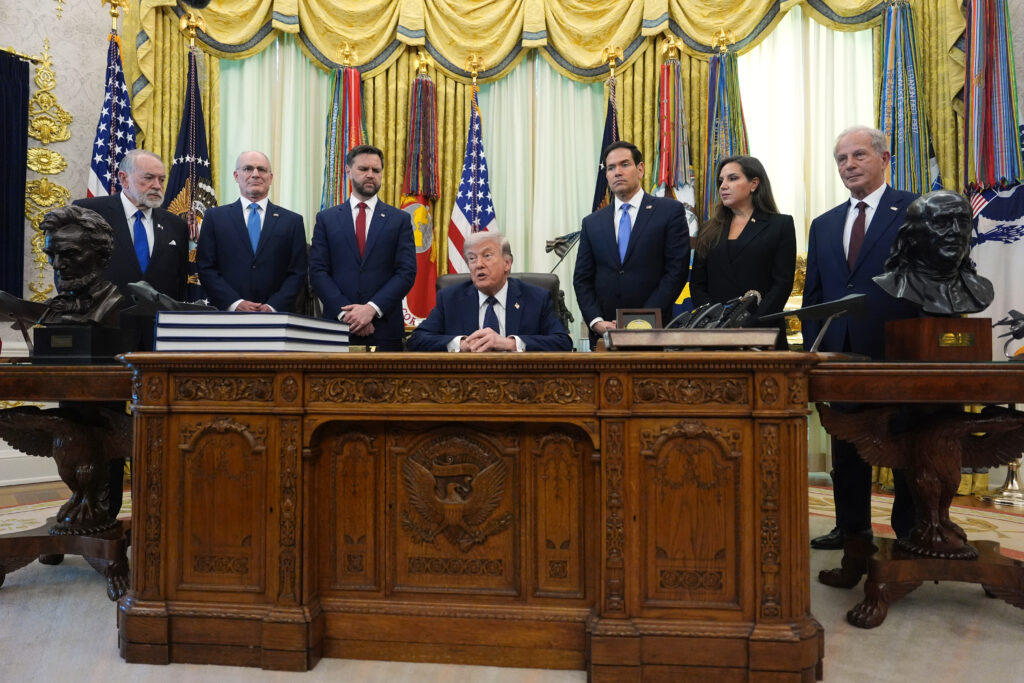
The United States and its Gulf allies endorsed ongoing talks concerning Lebanon, emphasizing that these negotiations should not be made conditional on the outcomes of other conflicts. They added that all non-state armed groups in the region should be disarmed. This joint position stresses the importance of a focused approach to the Lebanese situation, independent of broader regional dynamics, and advocates for the demilitarization of all armed factions not under state control. US Secretary of State Marco Rubio pledged to Gulf allies on Wednesday that Washington would safeguard their interests as it works towards a final settlement of the Middle East conflict in talks with Iran. "We're going to be completely aligned with our partners in the Gulf," Rubio said. This assurance from Secretary Rubio aims to alleviate concerns among Gulf nations about US negotiations with Iran, promising a coordinated approach to regional security.
Rubio also indicated that Israel and Lebanon are making significant progress in their discussions in the United States and are nearing a "commitment of intent." During a visit to Bahrain, Rubio informed reporters, "I think we are very close in our hopes of getting a commitment of intent between the two countries." This statement from Secretary Rubio suggests a potential breakthrough in the US-mediated talks between Israel and Lebanon, hinting at a formal agreement or understanding on key issues. His optimism reflects the intensity of the diplomatic efforts to de-escalate tensions and establish a more stable framework for relations between the two nations.
Meanwhile, the International Monetary Fund (IMF) projects that Lebanon's gross domestic product will contract in 2026. This forecast reflects the "very challenging" economic, social, and humanitarian conditions brought about by the resumption of the war, according to the IMF. The IMF's grim economic outlook for Lebanon shows the severe impact of the conflict on the nation's financial stability and the well-being of its population.
Broader Economic and Maritime Context
Iran and Oman are scheduled to hold talks to define future administration and maritime services in the Strait of Hormuz. This upcoming dialogue between Iran and Oman notes the critical importance of the Strait of Hormuz for global trade and energy security. Oman informed US Secretary of State Marco Rubio and Gulf Arab ministers on Thursday that future arrangements for the Strait would not involve transit tolls. This commitment from Oman to forgo transit tolls in the Strait of Hormuz is a significant development, potentially easing concerns about the cost of shipping through the vital waterway. The International Monetary Fund reported that energy and commodity prices have fallen since the US-Iran agreement to halt hostilities and reopen the Strait of Hormuz. This decline in prices suggests a positive market reaction to the de-escalation of tensions and the resumption of normal shipping routes through the Strait. US President Donald Trump previously stated that a deal with Iran including fees in the Strait of Hormuz would be "unacceptable." President Trump's earlier rejection of transit fees shows the US position on maintaining free and unimpeded passage through this key maritime choke point.
A cargo ship was damaged off the Omani coast, 7.5 nautical miles southeast of Dahit, after being hit by an unknown projectile, the United Kingdom Maritime Trade Operations agency said. The incident occurred 7.5 nautical miles (14 kilometers) southeast of Dahit in Oman. A cargo vessel was hit on its starboard side by an unknown projectile 7.5 nautical miles southeast of Oman's Dahit, causing damage to the bridge but no casualties or environmental impact, the United Kingdom Maritime Trade Operations agency said. This maritime incident, despite causing no casualties, notes the continued risks to shipping in the region amidst the broader tensions. India has since restored non-domestic packed LPG supplies to pre-Iran crisis levels. This restoration of LPG supplies by India indicates a return to normalcy in certain trade sectors following the initial disruptions caused by regional instability. IMF spokeswoman Julie Kozack told a regular news briefing that the global lender was engaged closely with Lebanese authorities to look at economic crisis management measures to mitigate the impact of the war. This engagement by the IMF with Lebanese authorities demonstrates an active effort to provide support and guidance to Lebanon in managing the severe economic consequences of the ongoing conflict.