The United States is mediating a fifth round of Lebanon-Israel talks beginning Tuesday in Washington, DC, focusing on an Israeli withdrawal amidst the escalating conflict. These discussions, which are expected to continue until June 25, show the persistent challenges in de-escalating military operations and securing a lasting peace in the volatile region. These discussions occur as Iran insists on progress toward a halt to fighting in Lebanon during parallel negotiations with Washington in Switzerland. The parallel negotiations in Switzerland, which had experienced a delay last week at the Swiss Bürgenstock resort, highlight the broader diplomatic efforts intertwining the regional conflict with international powers.
As part of the proposed arrangements, a 'de-confliction cell' will be established between the parties. This cell, facilitated by mediators, aims to help establish adherence to the halt of military operations in Lebanon. The creation of such a mechanism is a direct response to the fractured ceasefires and ongoing military engagements that have plagued the region. The diplomatic efforts seek to address the ongoing tensions and create mechanisms for de-escalation between the two nations, providing a structured approach to managing potential flashpoints and ensuring compliance with any agreed-upon cessation of hostilities. This initiative reflects a concerted push to prevent further military escalation and to build trust, however fragile, between the opposing forces.
Escalating Military Operations
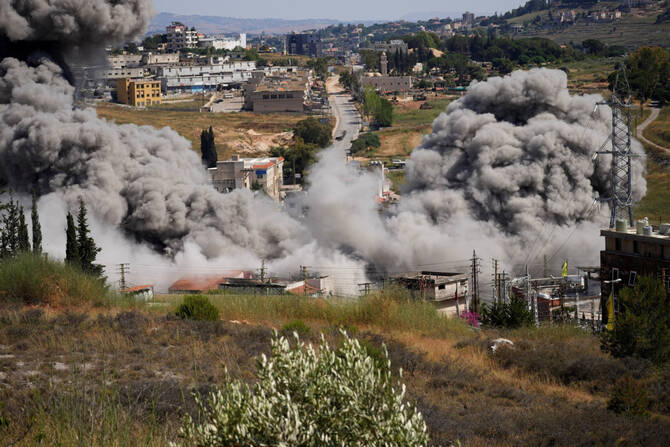
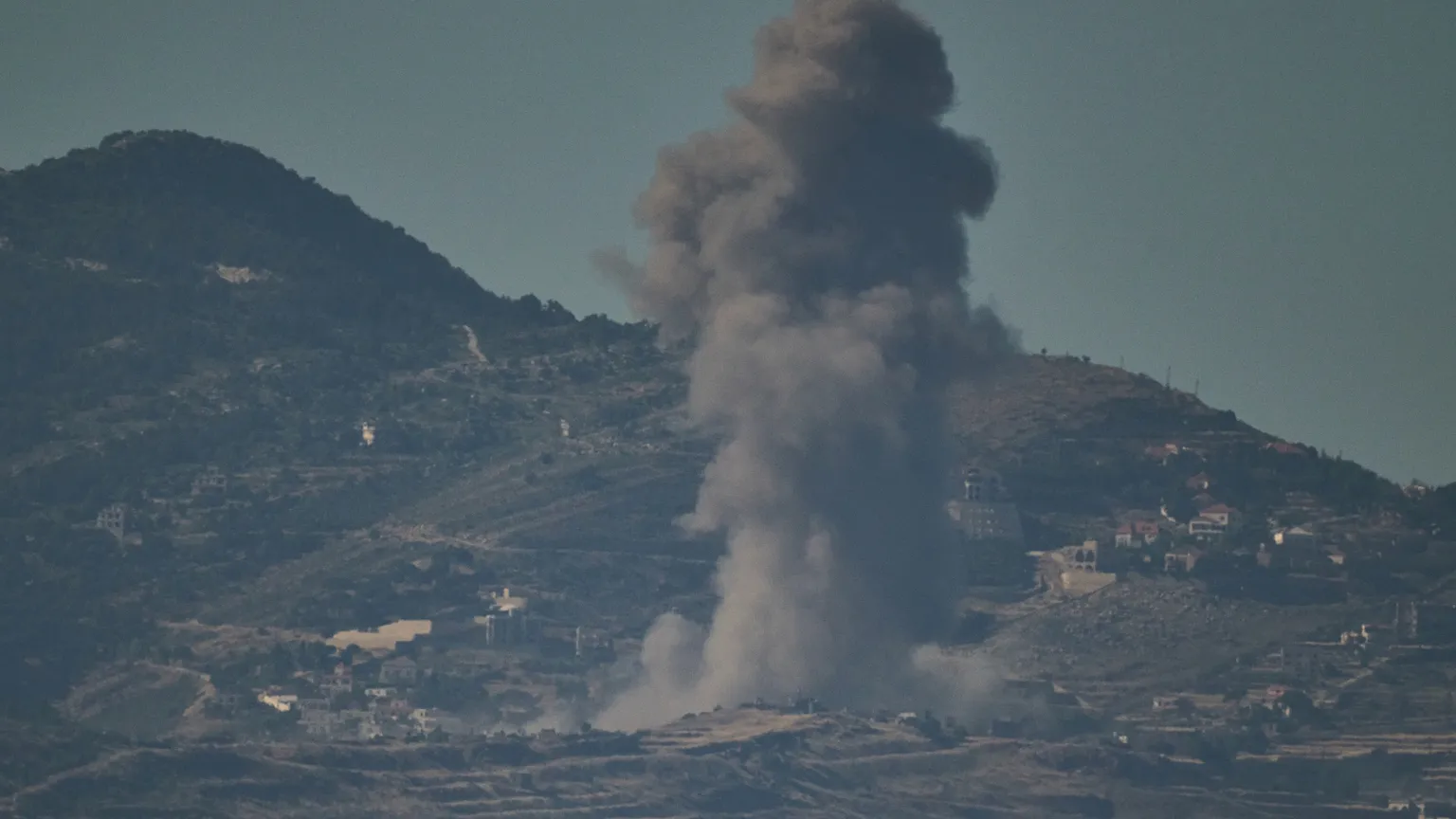
Israel's military has advanced in south Lebanon, edging toward higher ground over the Nabatieh valley, amidst multiple ceasefires that have since fractured this month. This strategic maneuver by Israeli forces has been observed in between three or more ceasefires that have failed to hold. Further entrenchment by Israeli forces has occurred in the central front of south Lebanon, with attempts made to advance toward the Ali Taher hills area. These movements indicate a sustained operational tempo despite diplomatic overtures and attempts at de-escalation. The ongoing military confrontation between Israel and Hezbollah has now been dragged out for nearly four months, contributing to a protracted and devastating conflict in the region.
A new ceasefire was reportedly established on Friday, aiming to halt direct confrontations between Hezbollah and Israel on the Nabatieh front. Despite this, Israeli artillery fire toward Nabatieh city on Tuesday resulted in the deaths of two individuals. One of the victims was identified as a municipal employee, according to reports from the area, showing the civilian toll of the hostilities. This incident occurred even as diplomatic efforts were underway to stabilize the situation.
Hezbollah issued a warning following the incident, characterizing the attack on Nabatieh as an "outrageous infraction of the ceasefire." The group's statement shows the fragility of the newly established arrangements and the continued volatility in the region, indicating a potential breakdown in adherence to such agreements. These military movements and subsequent reactions highlight the ongoing challenges to de-escalation efforts even as diplomatic talks proceed. The advances in the Nabatieh valley and the central front suggest a strategic push by Israeli forces in key southern Lebanese areas. The reported ceasefire on the Nabatieh front aimed to alleviate tensions in a particularly active zone, but the artillery strike on Nabatieh city indicates a potential breakdown in adherence to such agreements. The severity of Hezbollah's language shows a significant perceived violation, further complicating the already delicate diplomatic landscape. These continued military actions, despite diplomatic efforts, show the deep-seated nature of the conflict and the difficulty in achieving a lasting cessation of hostilities.
Diplomatic Maneuvers and Demands
Lebanon and Israel are expected to participate in talks in Washington, DC, that are scheduled to continue until June 25. Concurrently, Qatar is preparing to mediate a separate set of indirect negotiations between Hezbollah and Israel. These diplomatic efforts come after a partial withdrawal of Israeli forces occurred earlier this month in southwest Lebanon, specifically at the Debbine-Blat axis. This withdrawal followed a period of intense military activity and ongoing ceasefire discussions, suggesting a potential, albeit limited, response to international pressure.
Despite these movements, Hezbollah maintains its position that Israel should not be granted freedom of movement in south Lebanon. The group has also indicated a shift in its stance, stating it is no longer willing to overlook Israel’s attacks, a policy it had adopted under the ceasefire terms established earlier in 2024. This change reflects a heightened state of alert and a more assertive posture from Hezbollah regarding Israeli military actions in the region, signaling a departure from previous understandings. The group's current position suggests a departure from previous understandings and a firmer resolve to respond to perceived infractions, making future de-escalation efforts more challenging. This firm stance from Hezbollah adds another layer of complexity to the ongoing negotiations, as it directly challenges Israel's operational objectives in the area.
The intensifying conflict and the diplomatic challenges surrounding Israeli withdrawal and Hezbollah's demands also pose a broader risk. Observers point to the potential for these tensions to threaten the stability of a wider regional peace between Iran and the United States. The interconnectedness of regional dynamics means that a breakdown in one area could have ripple effects across a larger geopolitical landscape, potentially complicating existing and future diplomatic engagements between major powers. The ongoing negotiations are therefore seen as critical not only for de-escalation in Lebanon but also for broader regional stability, with international implications extending beyond the immediate conflict zone.
Regional Influences and Stances
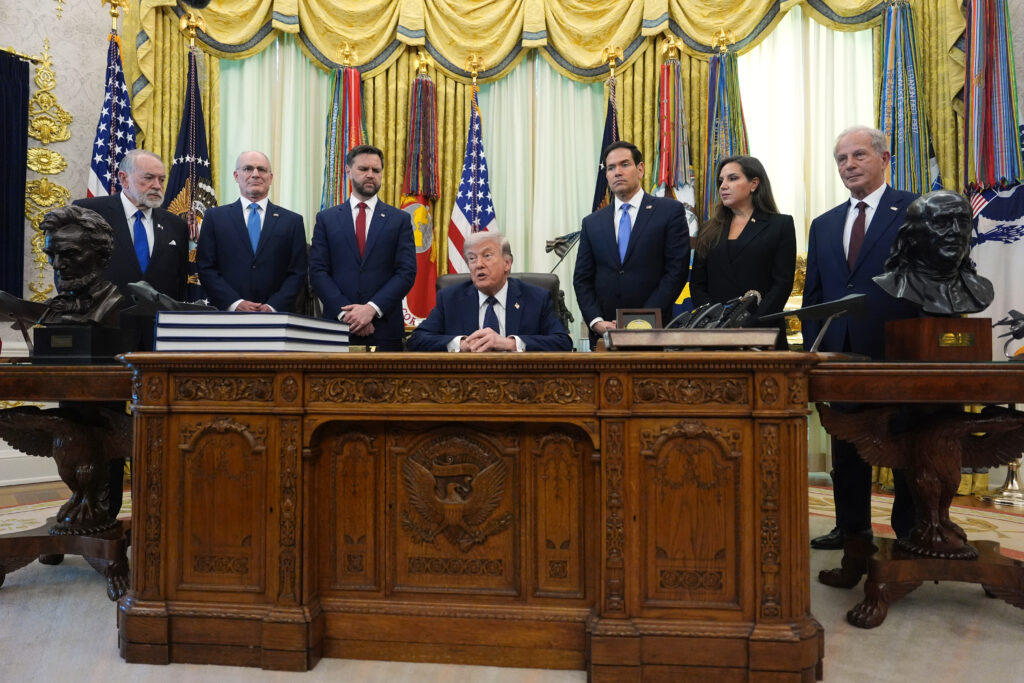
US President Donald Trump has expressed hopes that Syrian President Ahmed al-Sharaa could intervene to weaken Hezbollah from the east, according to reports. Trump stated that Israel cannot "move" Hezbollah and suggested giving the task to Syria, noting, "They can’t do anything without knocking buildings down." He further added, "I am close to giving this to Syria because he would do a more precise job," gesturing to his hopes that Syrian President Ahmed al-Sharaa could intervene. This suggestion notes a desire for external intervention to resolve the complex situation, albeit from an unconventional source.
Syrian President Ahmed al-Sharaa, however, refuses to enter Lebanon and has indicated he does not wish to be tied to Trump's proposals. Damascus has maintained that Syria would not engage or intervene in any military action inside Lebanon, despite direct pressure from the United States. This refusal shows the complexities of regional alliances and the reluctance of some actors to become entangled in the ongoing conflict, especially given their own domestic and international considerations. The Syrian stance thus rejects the notion of becoming a proxy force in the Lebanese conflict.
Within Israel, Prime Minister Benjamin Netanyahu was reportedly never keen on a ceasefire in southern Lebanon, indicating a preference for continued military pressure. National Security Minister Itmar Ben Gvir advocated for a more aggressive stance, calling for Israel to "burn all of Lebanon." Such hawkish statements from within the Israeli government illustrate the internal divisions and the strong pressures for a decisive military outcome, further complicating the prospects for a diplomatic resolution. These positions from prominent Israeli figures indicate a significant barrier to achieving a full and lasting ceasefire.
Hezbollah, for its part, has conveyed through intermediaries that it is prepared to move against the Lebanese government. This action would occur if the ongoing Washington talks lead to what the group considers gratuitous concessions to Israel. This warning from Hezbollah adds a domestic political dimension to the international negotiations, signaling potential internal instability within Lebanon if the outcomes are not favorable to the group. Meanwhile, Israel is expected to refuse to fully withdraw its forces or halt its fire completely, a position that directly conflicts with one of the primary objectives of the US-mediated talks. This expected refusal notes the deep chasm that negotiators must bridge to achieve any meaningful progress.
Outlook and Potential Outcomes
Israel's military confrontation with Hezbollah has extended for nearly four months, contributing to a protracted conflict that has had severe humanitarian consequences. Talks at the Swiss Bürgenstock resort experienced a delay last week, impacting diplomatic timelines and reflecting the difficulties in maintaining momentum in complex international negotiations. Lebanese President Joseph Aoun and Prime Prime Minister Nawaf Salam have received clear and direct support from several influential Arab capitals regarding the ongoing situation, showing the regional concern over the conflict's expansion. The conflict has resulted in the deaths of more than 4,000 people, a tragic indicator of the human cost of the prolonged hostilities. Additionally, hundreds of thousands of Lebanese citizens have been displaced from their homes, exacerbating the humanitarian impact of the hostilities and creating a significant internal displacement crisis. The scale of human suffering and displacement adds urgency to the diplomatic efforts, yet the entrenched positions of the parties involved make a swift resolution seem distant. The humanitarian crisis further shows the critical need for a sustained halt to military operations and a pathway to lasting peace.