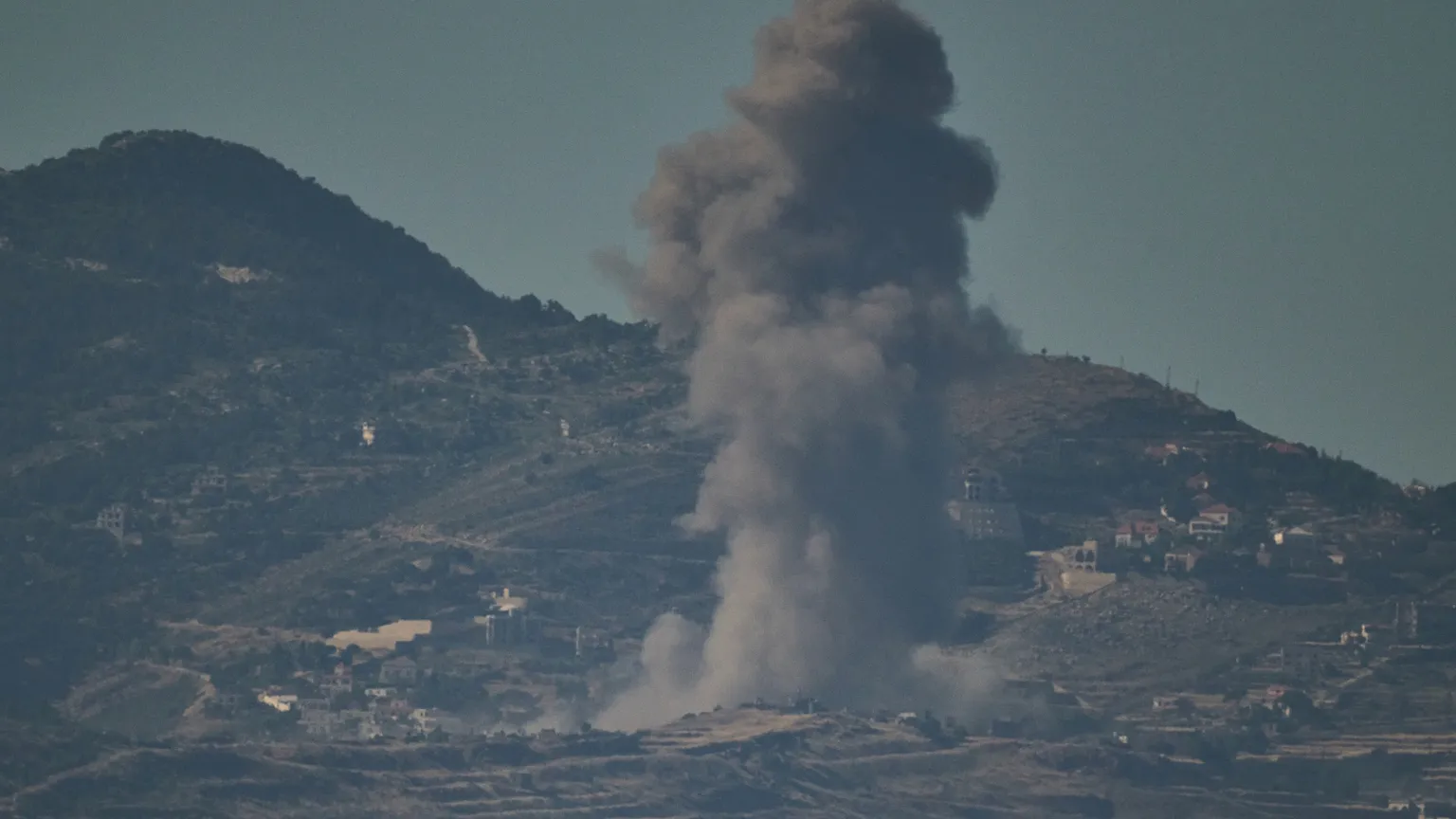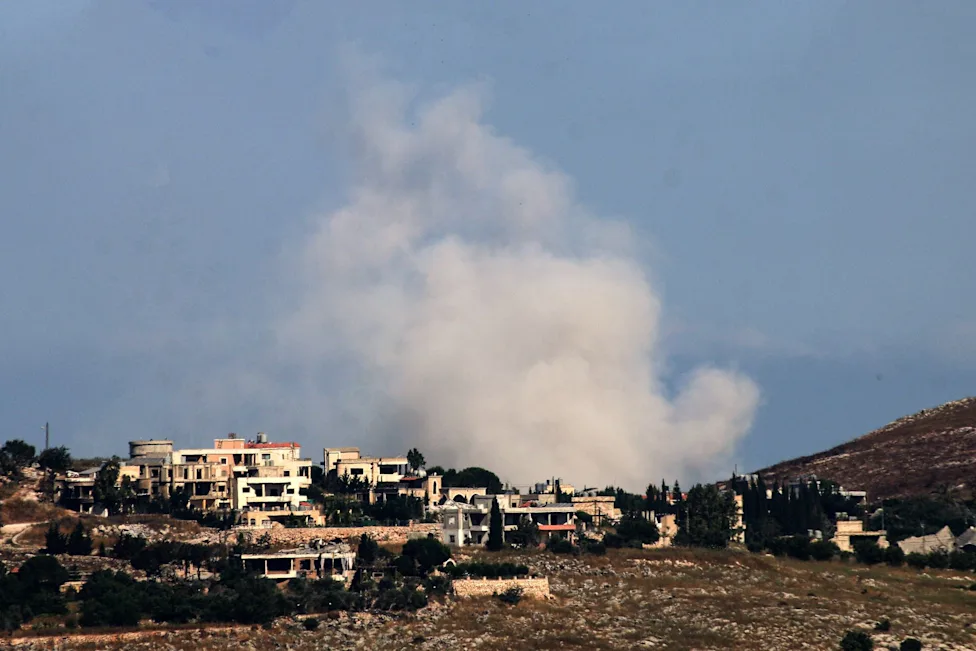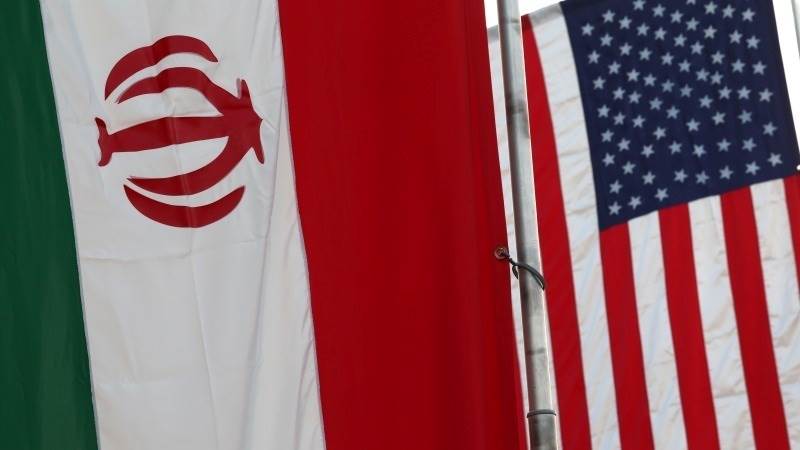
Iranian officials have warned of their potential withdrawal from ongoing negotiations with the United States should Israel persist with its military operations in Lebanon. This significant declaration shows a direct linkage between regional stability, particularly concerning the conflict in Lebanon, and the future of diplomatic engagement between Tehran and Washington. The warning from Iranian officials explicitly states that they may leave negotiations with the United States if Israel continues its military operations in Lebanon, signaling a critical juncture in international diplomacy.
Negotiations Face Sticking Point
The talks between Iran and the United States, which were originally slated to commence in Switzerland, have been delayed. This postponement notes the complex and sensitive nature of the discussions. Lebanon has emerged as the primary sticking point in these negotiations, according to sources close to the discussions. The situation in Lebanon is reportedly central to Iran's recent warnings about potentially withdrawing from diplomatic engagement with Washington, indicating that a resolution to the Lebanese conflict is critical for Iran's continued participation in the talks. This development casts a shadow over the prospects for direct dialogue between the two nations, as the fate of their diplomatic efforts appears increasingly tied to events unfolding in the Middle East.
Pakistani Diplomatic Efforts
In response to the escalating regional tensions, Pakistani Interior Minister Mohsin Naqvi has traveled to Iran. During his visit, Mr. Naqvi is expected to meet with Iranian Foreign Minister Abbas Araghchi for high-level discussions. The agenda for these meetings is anticipated to focus on diplomatic efforts related to the ongoing situation in the Middle East, with a particular emphasis on de-escalation and finding pathways to peace. The Pakistani initiative aims to leverage its diplomatic channels to foster understanding and potentially mediate between the involved parties. Should Iran agree to the proposed initiative put forth by Pakistan, a senior Pakistani delegation is prepared to travel to Switzerland. This delegation would then engage in further diplomatic talks, aiming to de-escalate regional conflicts and potentially facilitate negotiations between involved parties, according to sources familiar with the efforts. The willingness of Pakistan to step in as a mediator shows the international community's concern over the current trajectory of regional events and the desire to prevent further escalation.
Broader Implications and Future
The potential withdrawal of Iran from negotiations with the United States could significantly alter the diplomatic landscape in the Middle East, creating a ripple effect across the region. Such a move would complicate efforts to de-escalate regional conflicts, particularly concerning the volatile situation in Lebanon, which remains a focal point of contention. The United States has consistently sought diplomatic channels to address various issues with Iran, and a cessation of these talks would remove a key forum for direct engagement and conflict resolution. This would inevitably lead to increased uncertainty and potentially heightened tensions.
A breakdown in negotiations would also impact the broader regional power dynamics, potentially leading to a more fragmented and less predictable geopolitical environment. Iran's stance explicitly links its participation in talks directly to Israel's actions in Lebanon, suggesting that the conflict's outcome could determine the future of diplomatic overtures between Tehran and Washington. This linkage shows the interconnectedness of various flashpoints in the Middle East and the challenge of isolating individual conflicts. Without a direct diplomatic track between Iran and the United States, other nations, including Pakistan, might find their mediation efforts more challenging and complex. The proposed Pakistani initiative, involving a delegation traveling to Switzerland, depends heavily on Iran's agreement to further talks, noting the fragility of current diplomatic efforts. A complete halt to engagement between Iran and the United States would likely leave the region in a more uncertain state, potentially increasing the risk of wider instability and making future de-escalation efforts substantially more difficult.