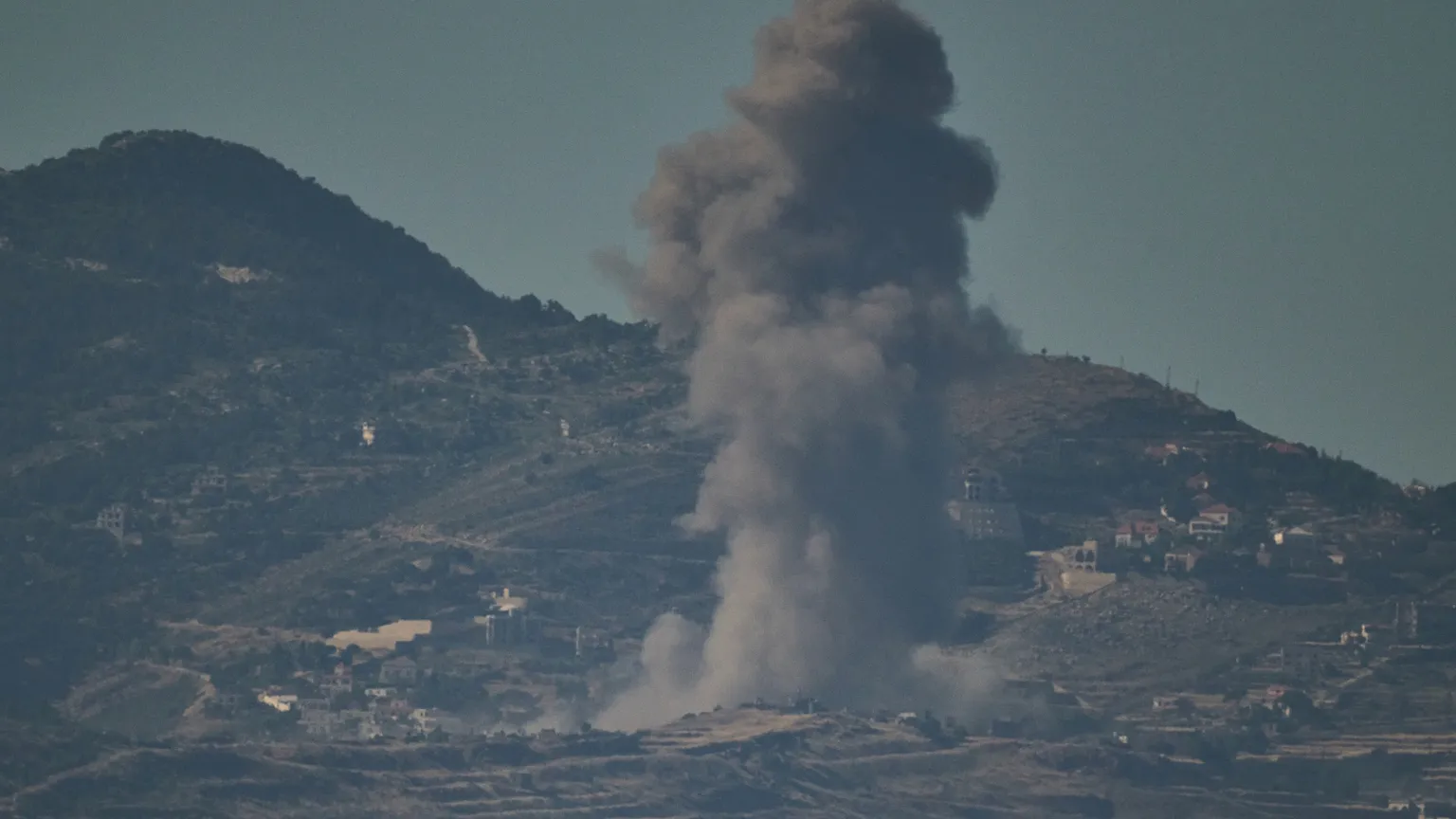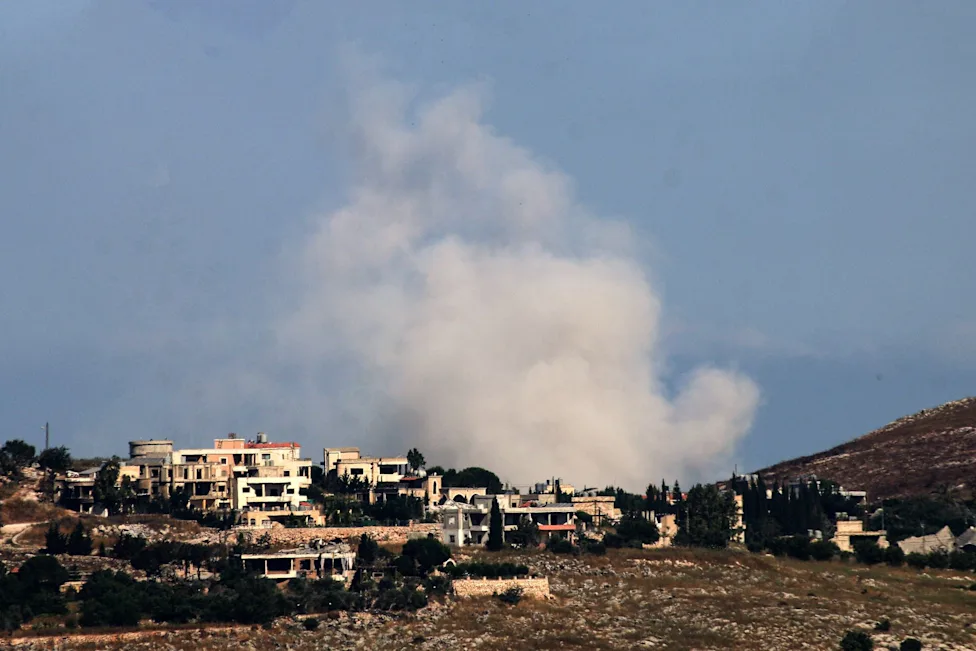
Numerous Israeli airstrikes in Lebanon have reportedly killed many people, violating a ceasefire that came into effect at 4 pm (1300 GMT) on Friday. Lebanese media outlets described the strikes, which occurred despite the agreed cessation of hostilities. A US government official confirmed the ceasefire's implementation time. This official stated that the ceasefire had been in effect since 4 pm (1300 GMT) on Friday. The report of multiple fatalities contradicts the terms of the truce, raising concerns about the stability of the agreement. The strikes were reported to have affected areas including Nabatiyeh, Arabsalim, Tyre, Kfar Roummane, al-Doueir, and Barich.
Lebanese media reported numerous Israeli airstrikes that killed many people despite an agreed ceasefire, noting the immediate challenges to maintaining peace. These reports from Lebanese media outlets detailed the extent of the damage and the tragic loss of life, emphasizing the widespread impact of the military actions across southern Lebanon. The continued military operations, even after the designated truce, have drawn sharp criticism and raised questions about the commitment of all parties to the ceasefire. The initial hours following the ceasefire's implementation were marked by a series of incidents that undermined its integrity.
Deadly Strikes Across Southern Lebanon
Lebanese civil defense authorities recovered 16 bodies in the city of Nabatiyeh alone following recent Israeli airstrikes. This significant casualty count from a single location shows the intensity of the military operations that preceded and, in some cases, reportedly followed the ceasefire. Reports from Lebanese media indicated that Israel launched a new series of airstrikes in southern Lebanon on Saturday despite a ceasefire, resulting in the deaths of at least nine people. These strikes occurred in areas previously identified as targets, including Nabatiyeh and Tyre, demonstrating a pattern of continued military engagement. The fatalities reported by Lebanese media on Saturday further exacerbated the already dire situation, bringing the total number of reported deaths from these post-ceasefire incidents to a concerning level.
In a separate incident, a woman was killed in an attack that took place in the Tyre area, according to Lebanon's National News Agency (NNA). This specific fatality adds to the growing list of civilian casualties. A fourth person was reportedly killed in Nabatiyeh's al-Doueir town when an Israeli drone strike targeted a motorcycle. This incident, involving a drone, points to the varied methods of attack employed. These incidents collectively show the continuation of hostilities and the human cost in southern Lebanon, even after the ceasefire was meant to take effect. The reported fatalities add to the growing concern over the stability of the agreed-upon cessation of hostilities, painting a grim picture of the security situation on the ground. The civilian toll from these strikes has been a major point of contention, with local authorities and media outlets documenting the impact on communities.
Ceasefire Under Threat
On Friday, US government sources reported that Israel and Lebanon's Iranian-backed Hezbollah militia had agreed to a new ceasefire following a significant escalation in fighting. This agreement was seen as a key step towards de-escalation after a period of heightened tensions and military exchanges. This latest truce, however, was violated multiple times just minutes after its agreed implementation. The rapid succession of these violations immediately cast doubt on the viability and effectiveness of the agreement. The renewed hostilities have cast doubt on the durability of the cessation of fighting, indicating a fragile security environment. The fact that the truce was breached almost immediately after it came into effect notes the deep-seated challenges in achieving a lasting peace.
A bilateral framework agreement between Washington and Tehran reportedly stipulates a ceasefire on all fronts, including within Lebanon. This broader agreement was intended to provide a full approach to de-escalation across the region. The reported violations raise questions about the effectiveness of this broader agreement in de-escalating the conflict, as localized breaches continue to occur. The rapid breakdown of the ceasefire shows the precarious security situation in the region, with ongoing military actions occurring despite diplomatic efforts to halt the violence. The international community has expressed concern over these developments, urging all parties to adhere to the agreed terms and prevent further loss of life. The repeated breaches of the ceasefire have made it difficult for humanitarian aid to reach affected areas and for civilians to return to a semblance of normalcy.
Israel Cites Freedom of Action
The Israeli military shelled the city of Nabatiyeh and its suburbs, according to Lebanon's state-run National News Agency (NNA). NNA also reported that three people were killed in strikes by fighter jets on the town of Arabsalim in the Nabatiyeh area. These detailed reports from the NNA provide specific accounts of the military actions and their immediate consequences. Separately, the Lebanese army stated that a Lebanese soldier was killed in an airstrike on the road between Kfar Roummane and Nabatiyeh. This incident marks a military casualty, indicating the direct engagement between forces. Additionally, NNA reported that an Israeli air attack in the town of Barich in the Tyre region of southern Lebanon killed four people from one family. This specific tragedy shows the devastating impact of the strikes on civilian households. The Lebanese side accused Israel of using its strikes to prevent any solution that would allow stability to be restored in Lebanon, framing the actions as counterproductive to peace efforts. These accusations highlight the deep mistrust and differing interpretations of the ongoing conflict.