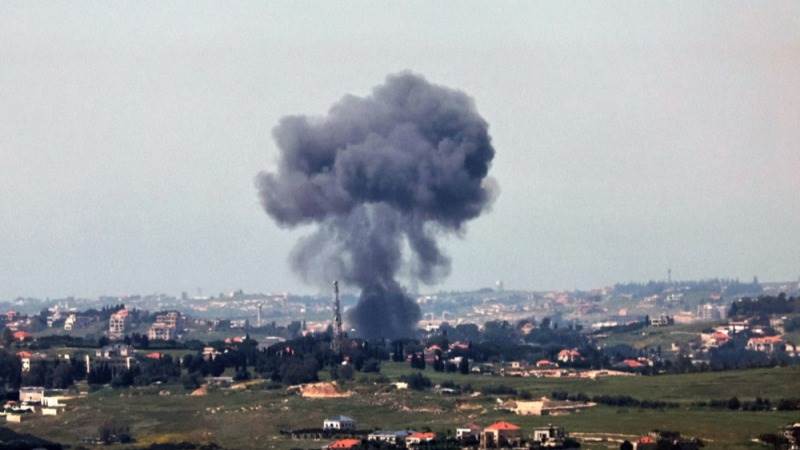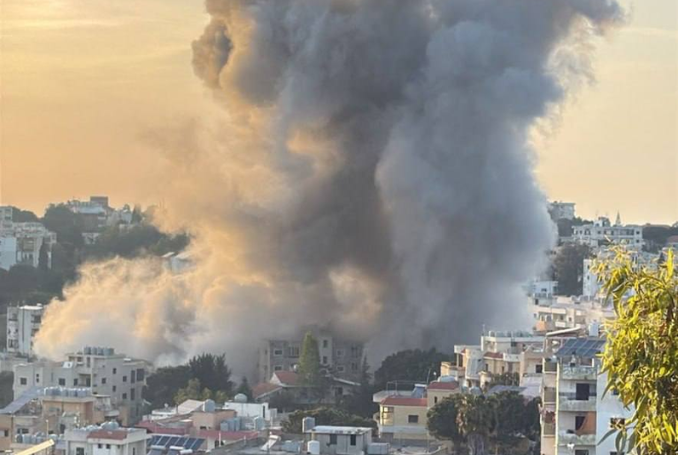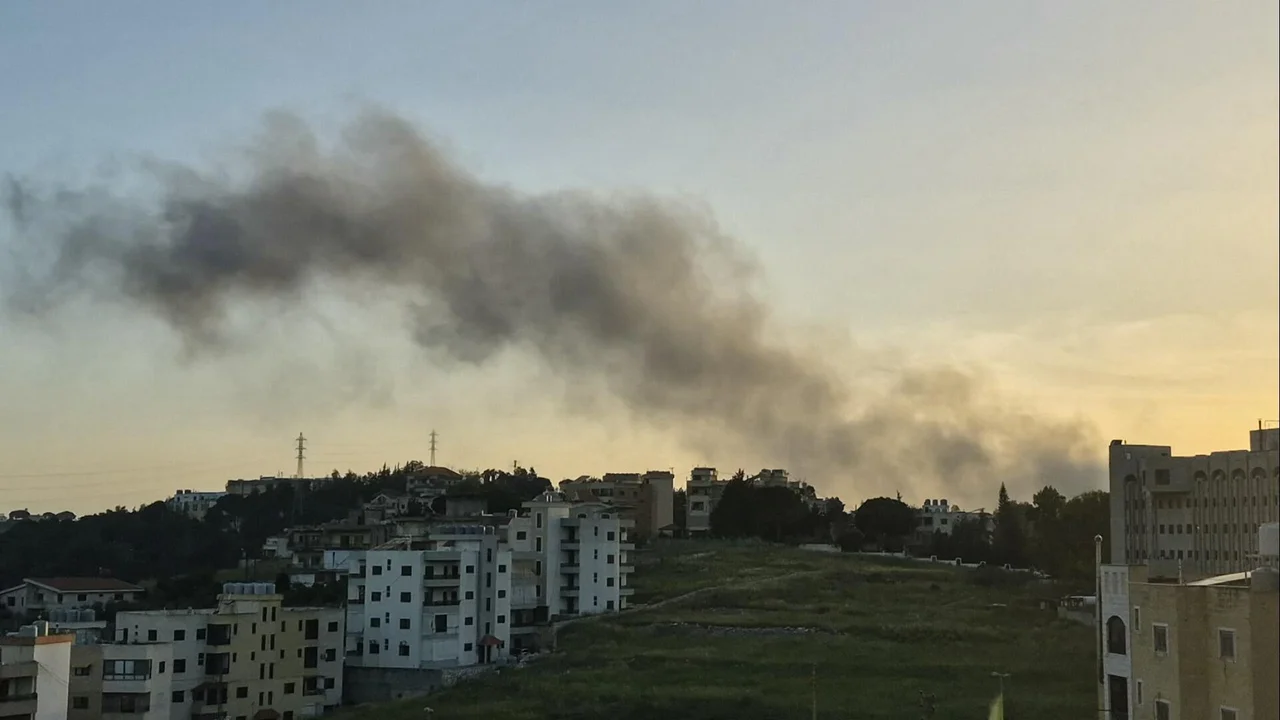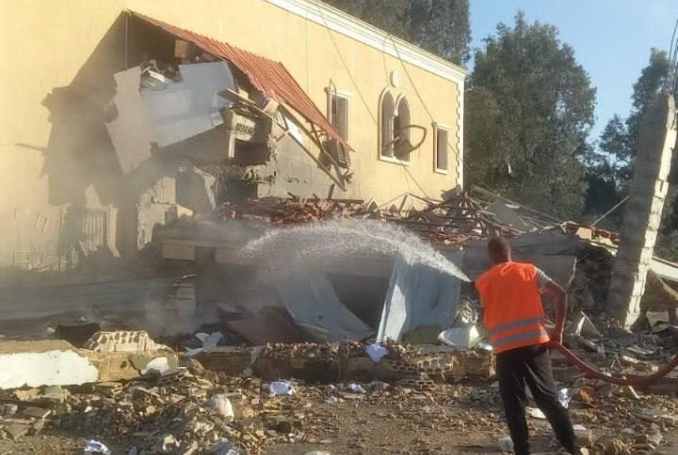
Senior Israeli officials have acknowledged the absence of a "technological solution" to counter Hezbollah's fiber-optic drones, amid escalating tensions. This admission follows an Israeli drone strike that targeted the town of Al-Duwayr in Lebanon's Nabatieh district. Hezbollah's explosive drones are highly accurate and possess the capability to cover relatively long distances, according to KAN CHANNEL. The acknowledgment from Israeli officials shows concerns regarding the effectiveness of current defenses against these specific unmanned aerial vehicles. The precision and range of these drones, as reported by KAN CHANNEL, present a persistent challenge for Israeli forces operating in the region. The senior Israeli officials explicitly admitted there is “no technological solution” to Hezbollah’s fiber-optic drones, a significant statement regarding the limitations of current defense systems.
Escalating Strikes in Lebanon
Israeli warplanes conducted multiple airstrikes across southern Lebanon, targeting the areas of Kfardounine, Haris, Blat, Kfar, Al-Rayhan, and Sajd. These aerial operations signify a broad engagement across various locations within the region, indicating an intensified military campaign. The targeted areas, including Kfardounine, Haris, Blat, Kfar, Al-Rayhan, and Sajd, are situated across southern Lebanon, noting the widespread nature of these aerial bombardments. Concurrent with the airstrikes, interceptor missiles were launched from the frontline area toward southern Lebanon, indicating active defensive or offensive engagements. The continuous launching of interceptor missiles further illustrates the dynamic and volatile nature of the conflict along the border.
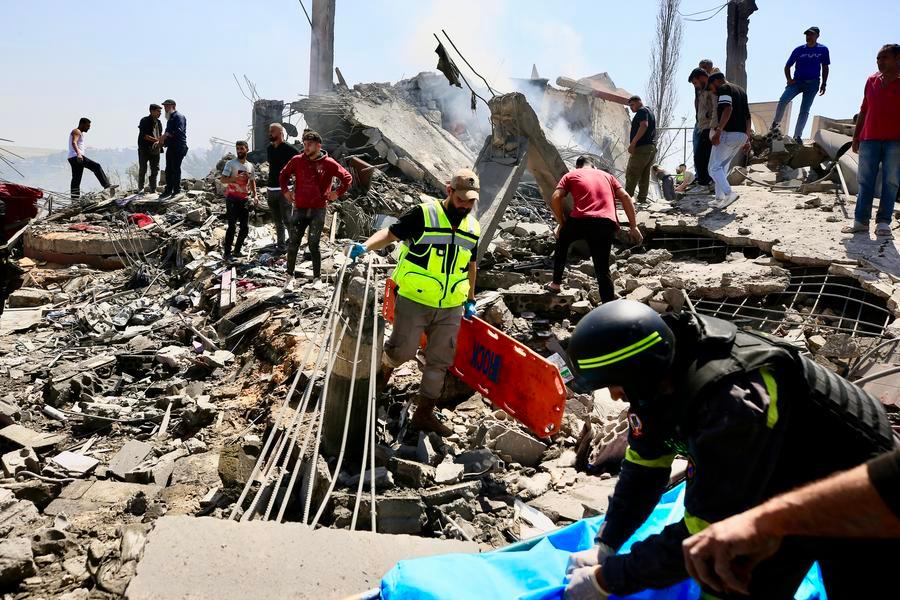
An Israeli airstrike also targeted a clinic located in the town of Srifa. This incident resulted in injuries to several Lebanese individuals, according to reports from the area. Several Lebanese were injured following this strike on the clinic in the town of Srifa, located in southern Lebanon, raising concerns about the impact on civilian infrastructure and non-combatants. Another Israeli airstrike was recorded in the vicinity of the town of Zibqin, contributing to the ongoing series of military actions in the southern Lebanese territories. These strikes, including the one near Zibqin, are part of a broader pattern of military activity that has significantly affected the region.
Separately, the Islamic Resistance targeted a D9 bulldozer. This strike occurred on the Bayyada-Naqoura road and was carried out using a swoop-down missile. An Israeli force later intervened to retrieve the bulldozer, which resistance fighters then targeted with a rocket barrage, indicating a sustained engagement over the equipment. The series of events shows the continuing military activity between Israeli forces and other groups operating within Lebanon's southern region. These actions contribute to the heightened state of alert and ongoing conflict dynamics along the shared border. The targeting of civilian infrastructure, such as the clinic in Srifa, has drawn attention to the broader impact of these military operations on the local populace. The use of varied munitions, from airstrikes to swoop-down missiles, reflects the diverse methods employed in the current exchanges. These incidents are unfolding amidst a backdrop of increased regional tensions and further complicate efforts to de-escalate the situation. The affected areas in southern Lebanon have experienced a significant escalation in military activity, impacting both strategic targets and civilian locales. The specific targeting of a bulldozer on a key road suggests an intent to disrupt operational capabilities or logistical movements. The combined air and ground engagements illustrate a complex and evolving conflict landscape in the border region. The sustained nature of these strikes points to a period of continued military pressure and counter-responses.
Hezbollah's Drone Capabilities and Resistance Operations
Israeli military sirens activated in Majdal Shams following a suspected drone infiltration. This activation signals a heightened state of alert for Israeli communities near the border. KAN CHANNEL reported that Hezbollah’s use of fiber optic attachments makes its drones difficult to counter with electronic warfare capabilities. This technological advantage for Hezbollah has been a key factor in the challenges faced by Israeli defenses. Separately, Israeli media has stated that Ben Gurion Airport has effectively become an American military airport, indicating Israel no longer possesses a fully operational international airport for civilian use. This development suggests a significant shift in operational capabilities and security concerns for Israel.
The Islamic Resistance announced it targeted a newly established command center of the occupation army in the town of Al-Bayada. This strike on a command center indicates an effort to disrupt Israeli military coordination and operations. In another operation, the Islamic Resistance targeted a gathering of Israeli enemy army vehicles and soldiers in the town of Tayr Harfa with a swoop attack, reporting a confirmed hit. This action notes the continued targeting of personnel and equipment. An engineering vehicle belonging to the Israeli enemy army east of the town of Al-Bayyada was also targeted by the Islamic Resistance with a swoop attack, achieving a confirmed hit. This specific targeting of an engineering vehicle suggests an attempt to impede construction or fortification efforts. The Islamic Resistance reported a confirmed hit after targeting a Hummer vehicle belonging to the Israeli enemy army in the town of Tayr Harfa, also using a swoop attack. The repeated use of swoop attacks against various military assets shows a specific tactical approach by the Islamic Resistance. The Islamic Resistance also targeted a gathering of occupation soldiers in the town of Al-Bayada for a second time, utilizing a swarm of drones, demonstrating an evolving tactical approach with unmanned aerial systems. Additionally, the Islamic Resistance targeted newly established enemy artillery positions in the town of Al-Adisa with a swarm of attack drones, further showcasing their advanced drone capabilities and strategic targeting.
These actions occurred as Israeli warships fired shells off the coast of Khan Younis in the southern Gaza Strip. The naval shelling off Khan Younis indicates a multi-front engagement by Israeli forces. Concurrently, Israeli artillery shelling targeted eastern Khan Younis, also located in the southern Gaza Strip. This artillery fire further compounds the military pressure on the Gaza Strip, adding to the regional complexity of the conflict.
Iran Sanctions and Regional Diplomacy
The US Treasury imposed sanctions on 12 individuals and entities due to their involvement in Iranian oil shipments to China. These sanctions are part of ongoing efforts to pressure Iran economically, specifically targeting its oil trade. Israeli Prime Prime Minister Benjamin Netanyahu claimed China provided support to Iran’s missile manufacturing during the recent US-Israeli war on Iran. This assertion by Prime Minister Netanyahu points to a broader geopolitical dimension to the conflict, involving major international powers. US President Donald Trump accused Kurdish groups of failing to distribute weapons intended for anti-government protesters inside Iran. Mr. Trump stated, "We thought the Kurds would supply the protesters in Iran with weapons, but they disappointed us," revealing a specific US strategy that did not materialize as intended.
The economic fallout from the US-Israeli war on Iran is expected to cost the United States hundreds of billions of dollars, according to the Financial Times. This projection from the Financial Times notes the significant financial implications of the conflict for the US. In a separate development, Foreign Minister Abbas Araqchi discussed regional developments and diplomatic avenues in a phone call with his Singaporean counterpart. This diplomatic engagement between Foreign Minister Abbas Araqchi and his Singaporean counterpart suggests ongoing efforts to navigate regional complexities through dialogue. A source close to the Iranian negotiating team stated there is nothing in the Iranian text indicating acceptance of removing enriched nuclear materials from the country. This source, citing Tasnim, affirmed, "There is nothing in the Iranian text indicating acceptance of removing enriched nuclear materials from the country," clarifying Iran's stance on a critical aspect of nuclear negotiations. The Wall Street Journal reported that the UAE secretly attacked Iran shortly before Mr. Trump announced a ceasefire, adding another layer of complexity and covert action to the regional dynamics.
Broader Conflict Context
The Israeli parliament passed the "Hamas elite trial" law by an overwhelming majority, authorizing death sentences and public trials. The passage of the 'Hamas elite trial' law by an overwhelming majority in the Israeli parliament signifies a strong legislative push to impose severe penalties, including death sentences and public trials, on individuals associated with Hamas. Meanwhile, an Israeli force intervened to retrieve a bulldozer, which resistance fighters then targeted with a rocket barrage. The Islamic Resistance targeted a gathering of occupation soldiers in the town of Al-Bayada for a second time, utilizing a swarm of drones. Additionally, the Islamic Resistance targeted newly established enemy artillery positions in the town of Al-Adisa with a swarm of attack drones. These combined actions show the multifaceted nature of the ongoing conflict, involving legislative, ground, and aerial engagements.