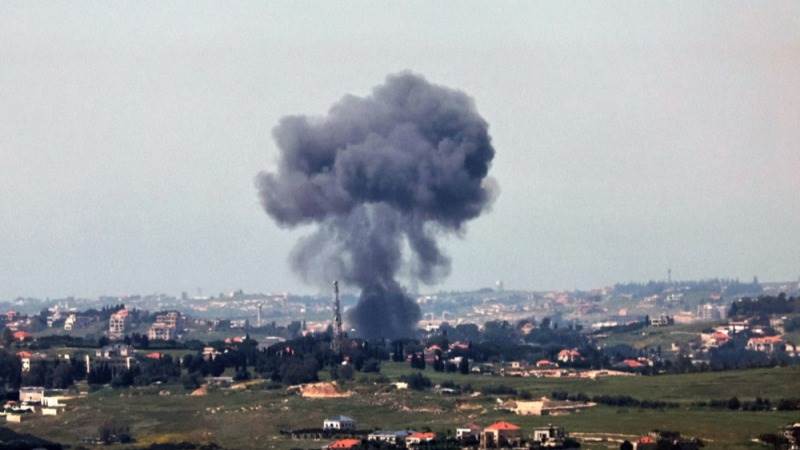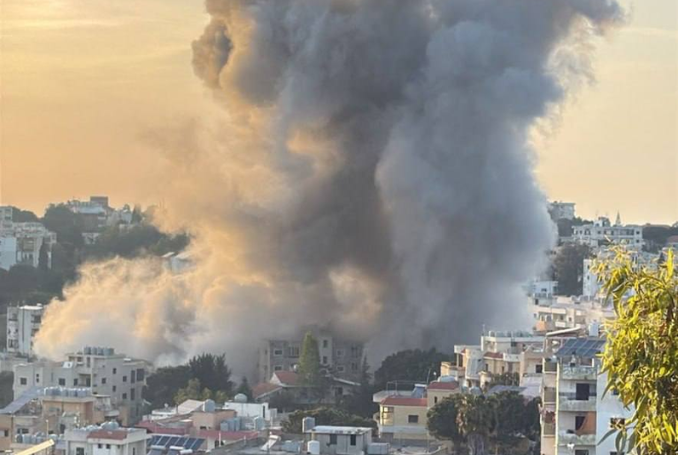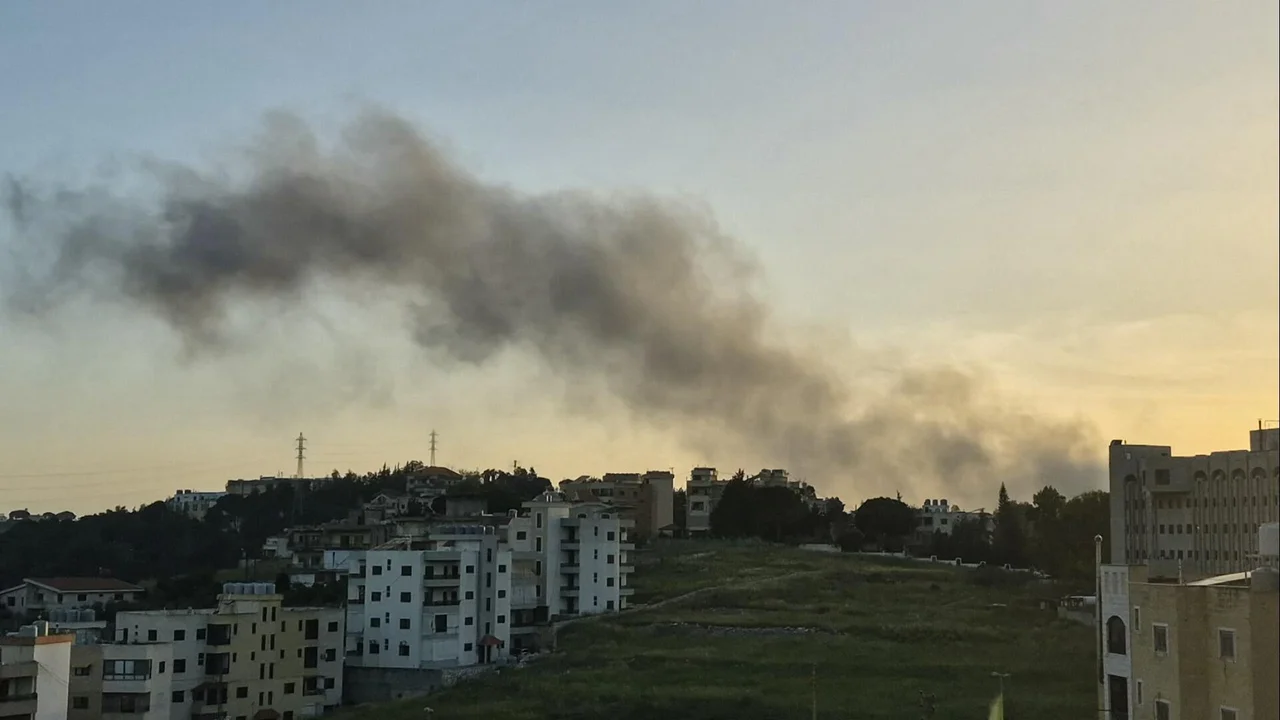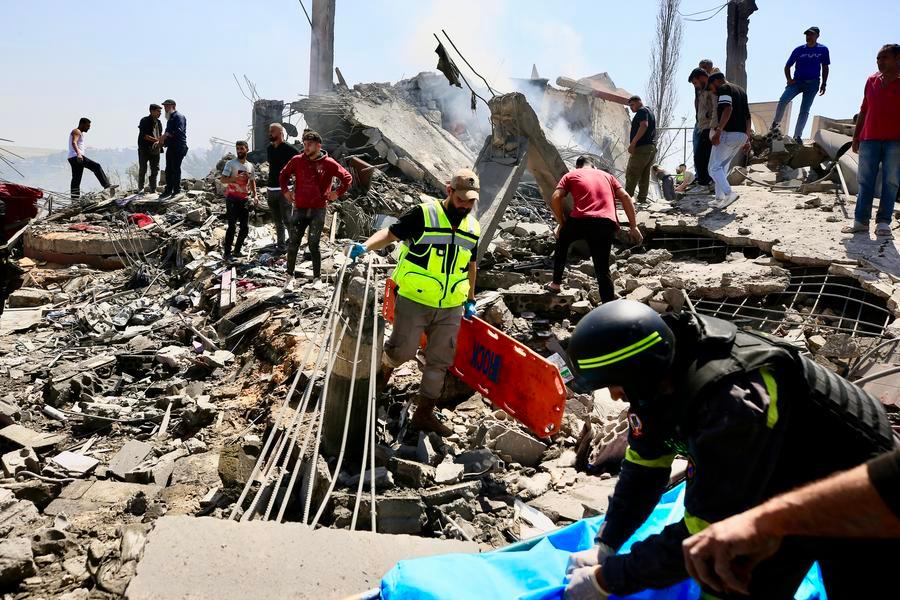
Lebanon has reported over 100 strikes in the past 24 hours, contributing to a deepening humanitarian crisis across the country. These recent attacks show the severe challenges faced by communities already struggling with widespread displacement and compromised public services. Since March 2, 2,846 people have been killed and 8,693 injured across the country, a stark indicator of the ongoing conflict's human cost. Attacks on healthcare facilities and personnel have resulted in 108 deaths and 249 injuries, further straining medical services at a critical time. The persistent violence has created an urgent need for increased humanitarian assistance and protection for civilians and medical infrastructure.
Healthcare Under Siege
The healthcare sector in Lebanon continues to bear a heavy burden from the escalating hostilities. Two paramedics were tragically killed and several others wounded in airstrikes that targeted health-related sites in Qalaway and Tibnin, southern Lebanon, on Monday. These incidents highlight the extreme dangers faced by medical professionals attempting to provide aid in conflict zones. The World Health Organization (WHO) has recorded 158 attacks on healthcare facilities and personnel since the escalation of hostilities in the region, a figure that includes hospitals, clinics, and medical transport vehicles. These incidents have not only claimed lives but have also severely impacted the operational capacity of Lebanon's medical infrastructure, making it increasingly difficult to deliver essential services.
The consequences of these attacks are widespread, affecting access to care for countless individuals. Three hospitals and 41 primary healthcare centers across Lebanon remain closed due to the ongoing situation, depriving communities of vital medical access. In the southern governorates, six hospitals have yet to resume maternity services, impacting essential care for mothers and newborns and raising concerns about maternal and infant mortality rates. The persistent attacks have severely hampered the delivery of critical medical aid and services to affected populations, exacerbating existing health vulnerabilities and creating new ones. The closure of these facilities forces residents to travel longer distances for care, often through dangerous areas, further complicating access to life-saving treatment.
Widespread Displacement and Civilian Toll
The human toll of the escalating conflict continues to mount, with civilians disproportionately affected. Eighty-seven people were killed in Lebanon over the weekend, contributing to the rising civilian toll amidst the escalating hostilities in the region. These fatalities are part of a broader pattern of violence that has forced thousands from their homes and endangered those who remain. The constant threat of violence has created an atmosphere of fear and insecurity, severely disrupting daily life and economic activity.
Israel issued renewed displacement orders for multiple towns and villages in southern Lebanon and the Nabatieh governorate over the weekend. These orders prompted further population movements, adding to the displacement crisis in the country. The affected areas lie in close proximity to the border, where ongoing clashes have severely impacted civilian life and infrastructure. The latest directives from Israel follow a pattern of warnings that have led to the evacuation of numerous communities, creating a massive internal displacement challenge. Displaced families often face precarious living conditions, with limited access to shelter, food, and medical care, further compounding their suffering. The continuous cycle of displacement and violence places immense pressure on host communities and humanitarian organizations alike.
Humanitarian Response Efforts
Despite the formidable challenges, humanitarian partners are working tirelessly to provide assistance to those affected by the crisis. These efforts are key in mitigating the severe impact of the conflict on vulnerable populations. Humanitarian partners have supported more than 585 hospital admissions across Lebanon, ensuring that seriously injured or ill individuals receive necessary medical attention. Over 18,000 vaccine doses have been administered through primary health care centers, addressing public health needs amidst the crisis and preventing the spread of preventable diseases. Additionally, more than 4,300 prenatal care consultations have been provided to expectant mothers, offering vital support during a critical period of life. In efforts to combat food insecurity, partners have distributed more than 8.4 million meals to affected populations, providing essential nutrition to families struggling to access food. These interventions aim to alleviate some of the immediate medical and nutritional challenges faced by communities impacted by the escalating hostilities. The ongoing support shows the critical need for continued humanitarian assistance in the region, as the needs far outweigh the available resources.
Funding Gaps and UN Appeal
The humanitarian response in Lebanon is severely hampered by a significant shortfall in funding. A flash appeal for 308 million U.S. Dollars, intended to cover humanitarian needs for the period from March to the end of May, has received only 41 percent of the required funding. This critical funding gap affects essential relief efforts in Lebanon amidst the escalating crisis, potentially leaving millions without adequate support. The United Nations and its partners launched the appeal to address urgent humanitarian needs, including healthcare, food security, and protection services for displaced populations, recognizing the multi-faceted nature of the crisis. The shortfall in funding could further impede the delivery of essential aid, exacerbating the challenges faced by communities already struggling with widespread displacement and compromised public services. Without adequate financial resources, humanitarian organizations will struggle to maintain current operations, let alone scale up to meet the growing demands. Continued support is key for maintaining and expanding humanitarian operations across the country, ensuring that life-saving assistance reaches those who need it most. The international community's commitment is vital to prevent further deterioration of the humanitarian situation in Lebanon.