Lebanon is open to a peace agreement with Israel, but its immediate priority is a ceasefire, according to Lebanese Prime Minister Nawaf Salam. A ceasefire between Israel and Lebanon took effect last month, and Beirut is now focused on de-escalation. Salam stated that Lebanon is open to a peace agreement with Israel "once its demands are met, stressing that Beirut currently focuses on 'stopping hostilities and ending the war'." He indicated that ongoing negotiations with Israel include a demand for "a clear agenda for Israeli withdrawal." This demand for a clear agenda for Israeli withdrawal forms a key component of the ongoing negotiations between the two nations, noting Lebanon's long-standing territorial concerns. The Prime Minister's remarks highlight Lebanon's conditional willingness to engage in a broader peace process while emphasizing the immediate need to secure the cessation of hostilities. This conditional stance shows the complexities of the regional conflict and the specific grievances Lebanon seeks to address.
Escalating Violence and Destruction
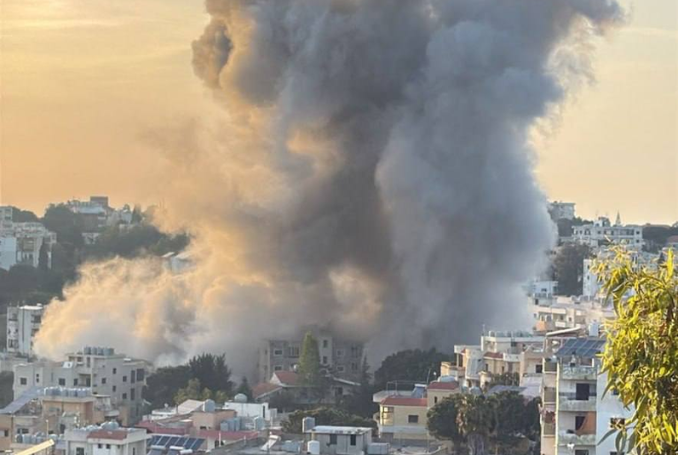
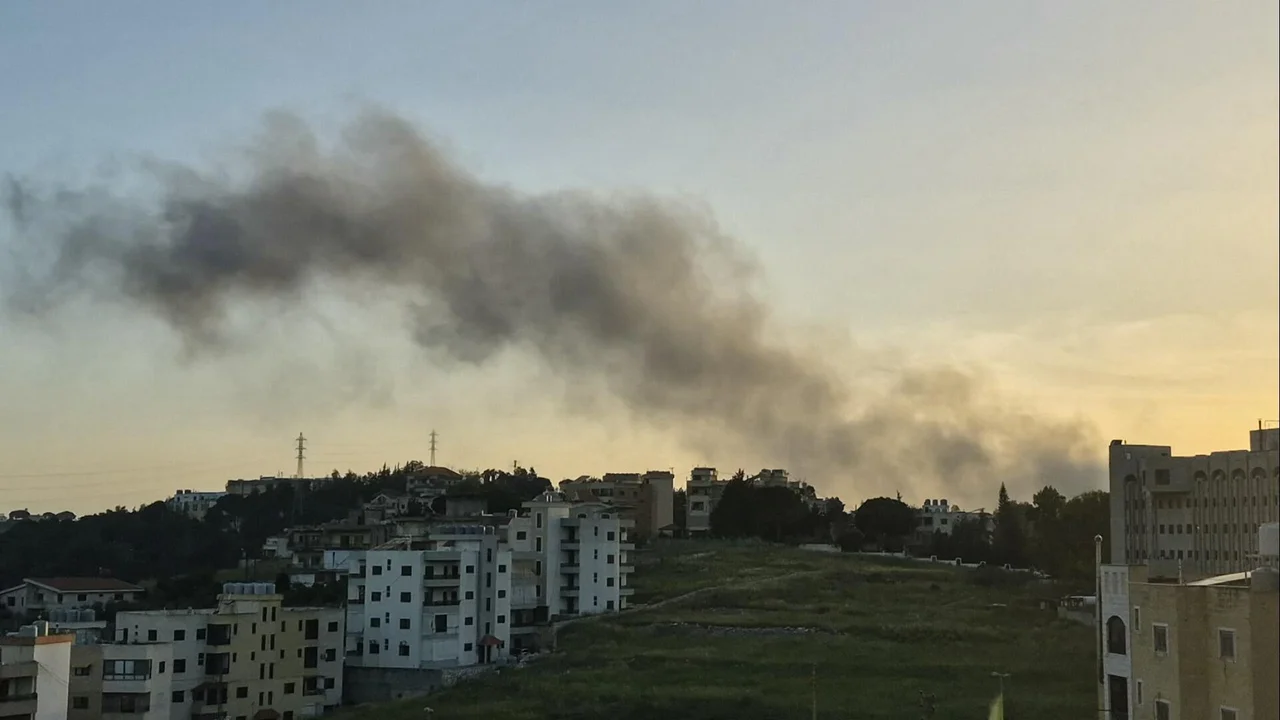
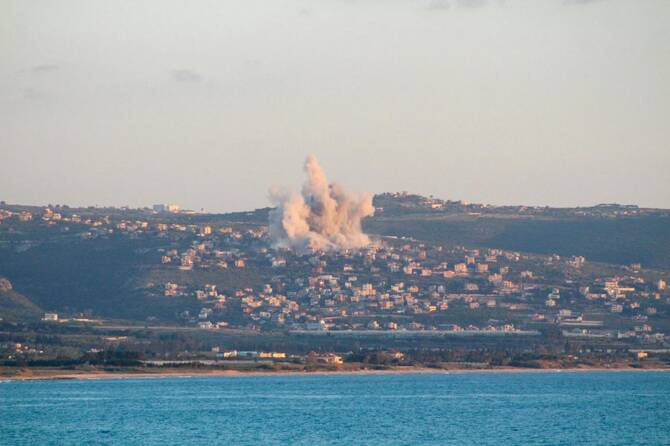
The southern Lebanese city of Bint Jbeil "has become a copy of Gaza" due to extensive destruction, according to Lebanese Prime Minister Nawaf Salam. This comparison emphasizes the severe impact of recent hostilities on civilian infrastructure and daily life in the region. Israel's military stated it killed more than 30 militants in Lebanon over the past week. This figure was part of Israel's ongoing military operations in the area. Israeli forces also struck approximately 70 Hezbollah sites across Lebanon during the same period. These strikes targeted various locations associated with Hezbollah, contributing to the escalation of military activities. The Israeli Air Force intercepted several rockets launched toward soldiers operating in southern Lebanon, indicating continued cross-border engagements. The intensity of these military actions has raised significant concerns about regional stability and the safety of civilian populations.
On Sunday, two paramedics were killed and five others wounded in Israeli airstrikes targeting medical response centers in southern Lebanon. These strikes specifically hit facilities affiliated with the Islamic Health Organization in two towns within the Bint Jbeil district, resulting in the paramedics' deaths and injuries. The targeting of medical facilities and personnel has drawn international attention and condemnation, noting the severe risks faced by humanitarian workers in conflict zones. Separately, four people were killed and 19 others wounded in Israeli strikes across southern Lebanon on Sunday. These incidents show the widespread impact of the conflict on civilian lives. One Israeli strike on a town in the Tyre district killed one person and wounded 13 others, including six children and two women. The presence of children and women among the casualties further emphasizes the humanitarian toll. An Israeli drone strike targeted an area in Jezzine, killing one person and wounding another. These multiple incidents on a single day illustrate the persistent and deadly nature of the ongoing hostilities.
Lebanon's Stance and Demands
Beirut's immediate focus is on stopping hostilities and ending the ongoing conflict, according to Lebanese Prime Minister Nawaf Salam. This clear objective guides Lebanon's diplomatic efforts and public statements. Salam stated that Lebanon "did not choose the war, but was dragged into the confrontation between Iran and the United States." This assertion frames Lebanon as a victim of broader regional power dynamics, rather than an instigator of the conflict. He emphasized that the country's current priority is to achieve a cessation of hostilities. This priority reflects the urgent need to alleviate the suffering of the Lebanese population and prevent further destruction. Prime Minister Salam also noted that the majority of Lebanese citizens support negotiations aimed at ending the war. "The majority of Lebanese support negotiations to stop the war," Salam said, indicating broad public backing for diplomatic efforts to resolve the conflict. This public sentiment provides a strong mandate for the government's pursuit of peace. These statements show Lebanon's position as a party seeking de-escalation while navigating regional complexities and external pressures.
Humanitarian Toll and Occupation
Eighty-six Lebanese villages are currently under Israeli occupation, according to official reports from Beirut. This situation contributes to the ongoing tensions and forms part of Lebanon's demands in any potential peace agreement. The occupation notes a significant territorial dispute that Lebanese officials aim to address through diplomatic channels, viewing it as a fundamental impediment to lasting peace. The continued presence of Israeli forces in these villages is a key point of contention in any future negotiations.
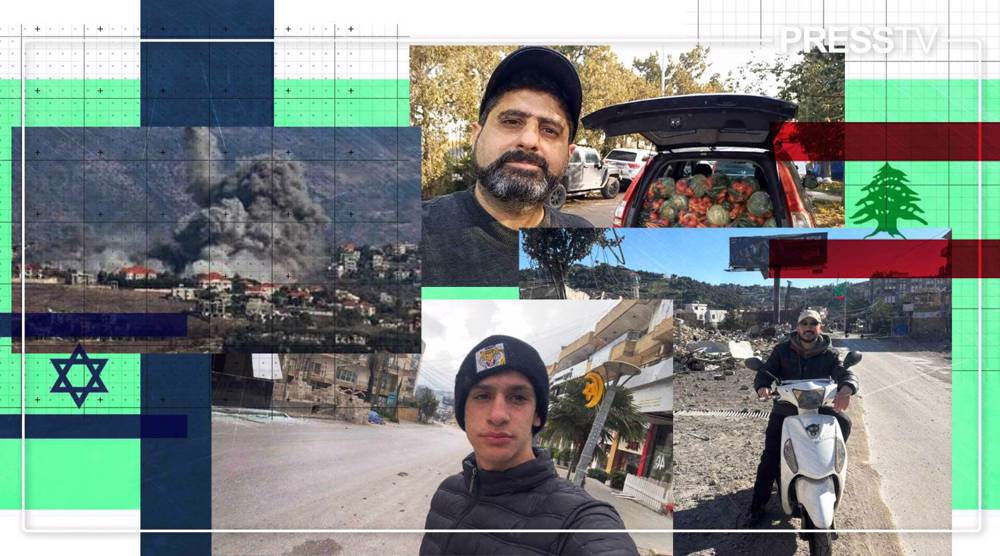
The humanitarian impact of recent hostilities remains substantial. Since March 2, the cumulative toll from Israeli attacks has reached 2,846 deaths and 8,693 injuries across Lebanon. These alarming figures represent a significant loss of life and widespread suffering among the population. These figures include both combatants and civilians affected by the conflict, showing the severe human cost of the sustained military operations in the region. The rising casualties have intensified calls for a ceasefire and de-escalation from Lebanese authorities, who are increasingly vocal about the need for an immediate end to the violence. The extensive damage to infrastructure and the displacement of communities further exacerbate the humanitarian crisis in Lebanon.