A new wave of displacement swept southern Lebanon on Saturday, occurring despite an agreement to extend a ceasefire between Lebanese and Israeli delegations. The US Department of State announced on Friday that these delegations, meeting in Washington for a third round of talks, had agreed to extend the ceasefire by 45 days. This diplomatic development aimed to de-escalate persistent tensions along the border, yet residents in South Lebanon continued to flee their homes in significant numbers. The ongoing displacement notes the fragile nature of the security situation, even as international efforts seek to stabilize the volatile region.
Escalating Strikes and Evacuations
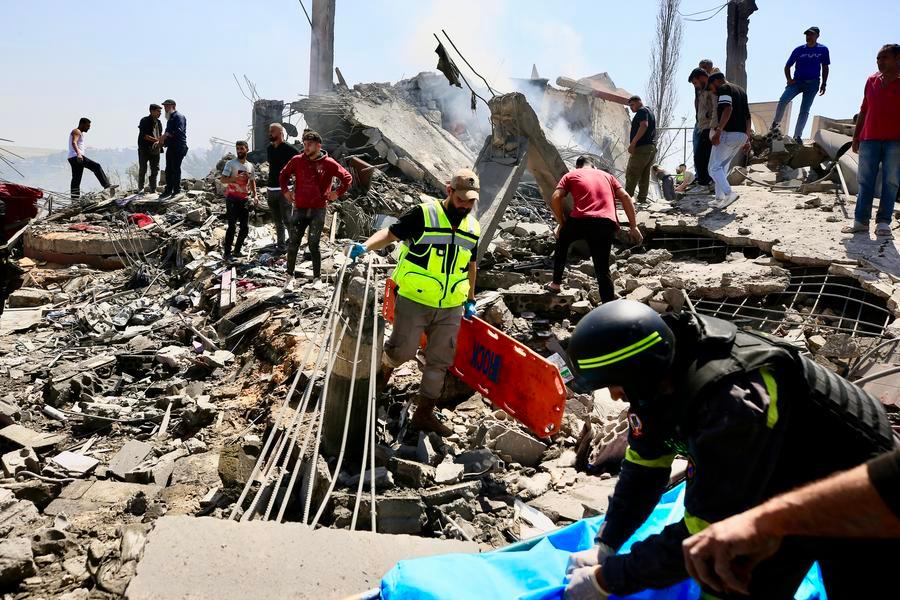
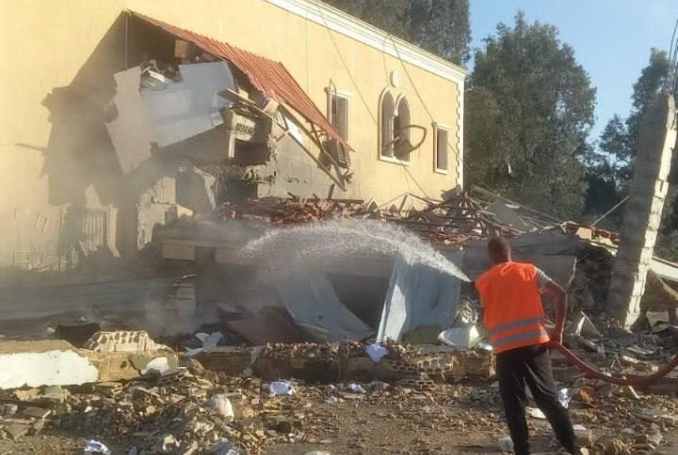
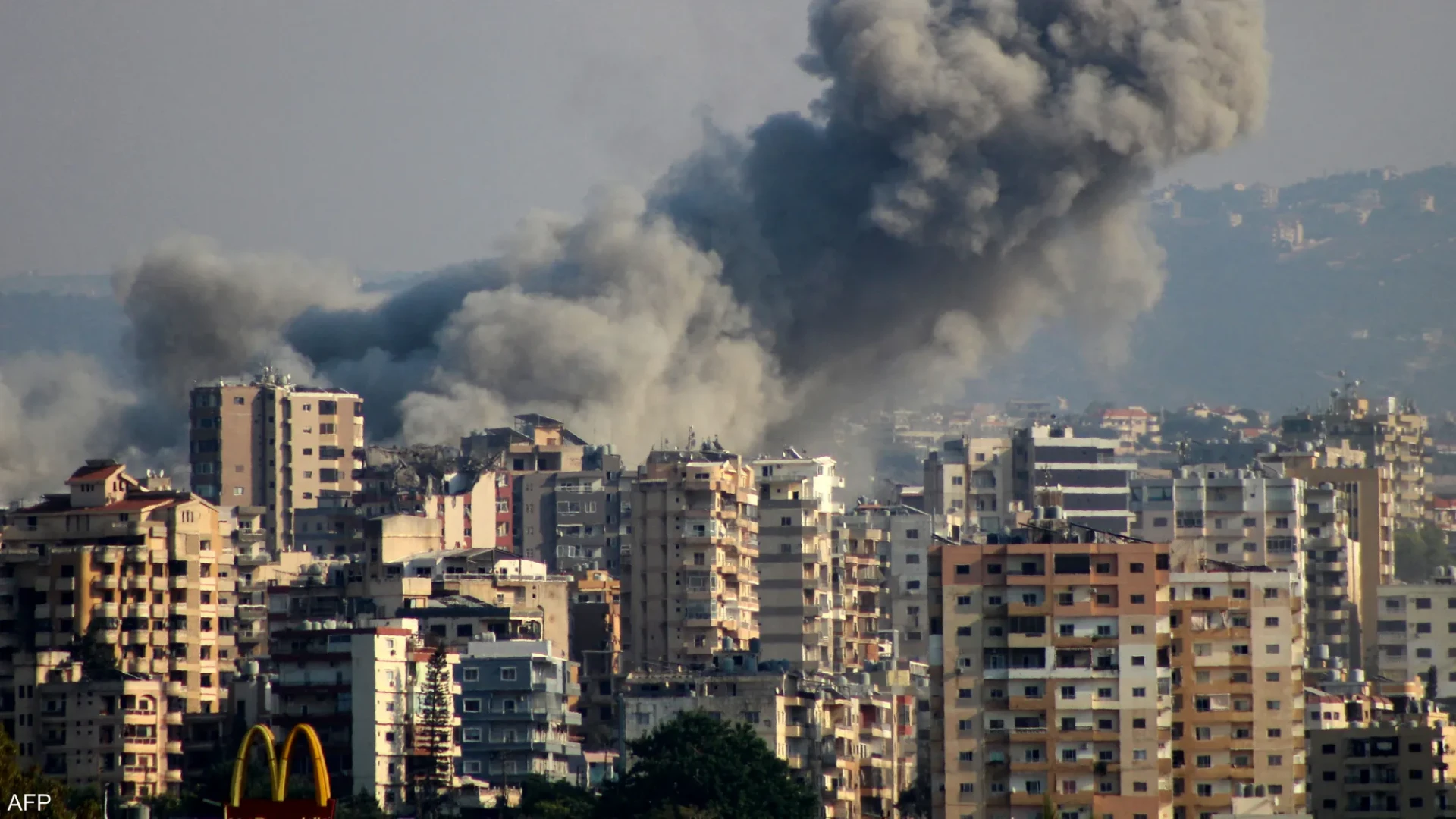
Israeli airstrikes and military evacuation orders prompted residents to flee from the Saida, Nabatieh, and Tyre districts. These actions by the Israeli military directly impacted dozens of villages across the southern Lebanese region. Among the affected areas were Yohmor al-Shaqif, Bebliyeh, and al-Gassaniyeh, all of which sustained damage from the strikes. The Israeli army further instructed Lebanese civilians to evacuate nine villages, issuing this directive in preparation for potential new attacks. The Israeli military stated that these anticipated operations were prompted by Hezbollah activity detected in the vicinity of these communities. The ongoing displacement shows the volatile situation despite efforts to extend a ceasefire agreement between the involved parties, demonstrating that the agreement has not yet fully translated into a cessation of hostilities on the ground. The decision to evacuate thousands of civilians further illustrates the severity of the security concerns for residents living near the border.
Ceasefire Context and Toll
The ceasefire, initially reached on April 17, was extended for an additional 45 days, as confirmed by the US Department of State following the Washington talks. Despite this diplomatic extension, escalating violence has continued to claim lives in the region. Lebanon's Health Ministry reported that Israeli strikes on southern and southeastern Lebanon killed 55 people in the last 48 hours alone. The Ministry also stated that the total death toll since the escalation began on March 2 now stands at 2,951 killed, with 8,988 wounded. These figures show the severe and ongoing humanitarian impact of the conflict, even as diplomatic efforts aim to de-escalate tensions and prevent further loss of life. The extended ceasefire has not yet translated into a full cessation of hostilities, as evidenced by the continued casualties and the significant new wave of displacement observed on Saturday. The persistent violence raises concerns about the effectiveness of the extended truce in providing immediate relief and security for civilians.
Border Incidents
Amidst the broader context of displacement and casualties, specific border incidents continued to be reported. Israeli forces advanced toward the town of Shebaa, conducting sweep operations with automatic weapons, indicating active ground patrols in the area. In another incident, the Israeli military detected an unmanned aerial vehicle (UAV) crossing from Lebanon toward the Meron area in northern Israel. Following the detection of this UAV, Israel's home front command activated sirens in the Sdei Meron area of the Upper Galilee, prompting residents to take shelter. The incident involving the unmanned aerial vehicle concluded without any reported casualties, though it noted the persistent aerial incursions and the readiness of Israeli defense systems. These border incidents, occurring concurrently with the ceasefire extension, illustrate the sustained military vigilance and the potential for rapid escalation along the Lebanese-Israeli frontier.