An article titled "How Israel is erasing south Lebanon from map during ‘ceasefire’" was published by The National on May 15, 2026. This report alleges that Israel is systematically removing geographical features from south Lebanon during a period described as a ceasefire. The publication, a prominent news outlet, detailed these claims in its report, which was updated on the same day, May 15, 2026, at 6:02 PM, according to The National. The article's central premise revolves around the accusation that Israeli actions are deliberately altering the landscape of southern Lebanon, even amidst a supposed cessation of hostilities. This systematic removal of geographical features, as alleged, points to a deeper strategic intent beyond typical military engagements.
Allegations of Destruction
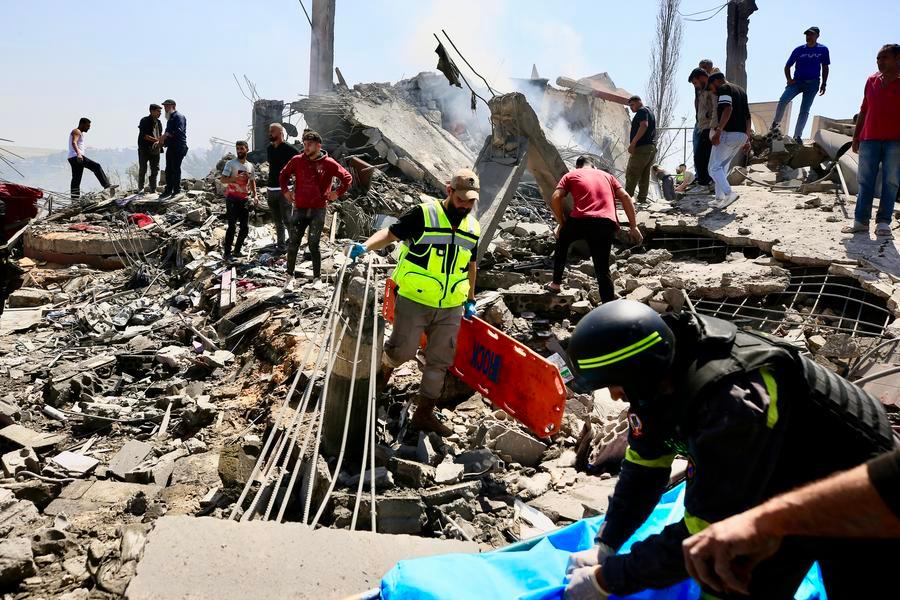
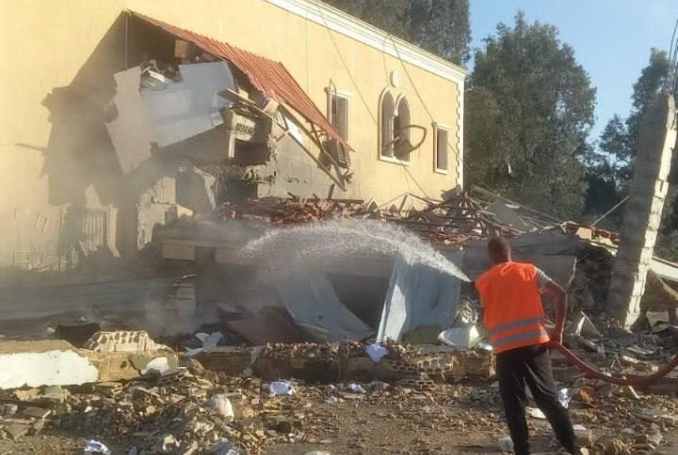
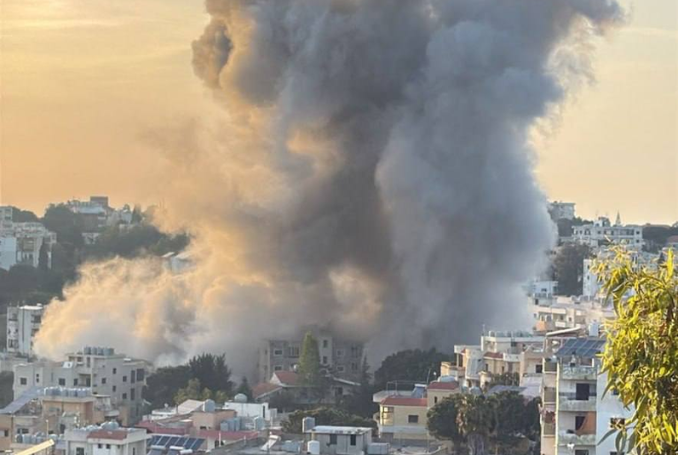
Allegations of significant and widespread destruction have emerged from south Lebanon, painting a grim picture of the region. Reports indicate that infrastructure and natural features in the area have sustained extensive damage, impacting both the built environment and the natural landscape. The nature of the damage, as described in the report, suggests a systematic impact on the area's geography, implying a methodical approach rather than incidental collateral damage. These claims are central to a broader narrative suggesting deliberate actions are being undertaken to permanently alter the landscape of south Lebanon. The extent of the alleged destruction, encompassing everything from agricultural lands to residential areas and natural formations, is a key focus for observers monitoring the situation in south Lebanon, raising concerns about long-term environmental and societal consequences. The accusations highlight a perceived intent to reshape the physical reality of the region.
Context of Conflict
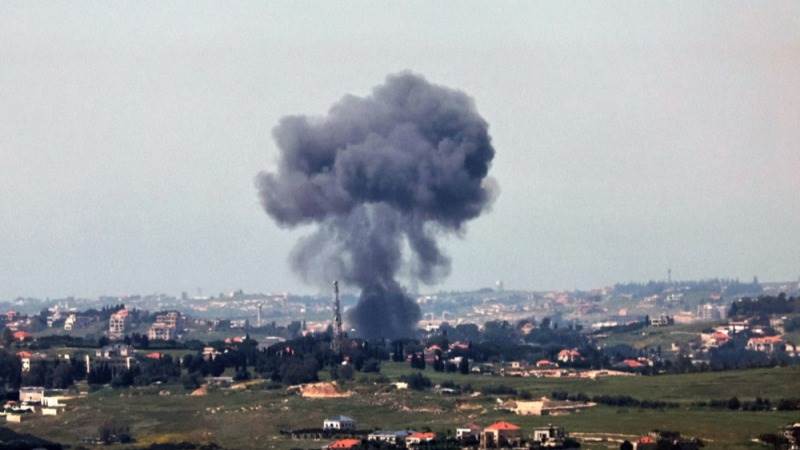
The current situation in south Lebanon follows months of intense cross-border hostilities, creating a volatile and unpredictable environment. Since October 8, 2023, Israel and Hezbollah have engaged in daily exchanges of fire across the frontier, marking a significant escalation in the long-standing tensions between the two entities. These exchanges have led to significant displacement, with tens of thousands of residents from both sides abandoning their homes in search of safety, creating a humanitarian crisis. Israeli military operations have targeted various locations within south Lebanon, with Israel citing these actions as necessary responses to Hezbollah's activities and threats. Conversely, Hezbollah has consistently indicated its attacks are carried out in support of Gaza, linking its actions to the broader regional conflict. International efforts to de-escalate the conflict have been ongoing, with various diplomatic initiatives aimed at brokering a more sustained cessation of hostilities in the region, though these efforts have yet to yield a lasting peace. The broader context includes a long history of intermittent conflict along the Israel-Lebanon border, making the current period of intense exchanges particularly concerning for regional stability.
International Response
International bodies and governments have consistently voiced profound concerns regarding the ongoing hostilities and the escalating situation in south Lebanon. The United Nations, in particular, has repeatedly called for an immediate cessation of violence and a strict adherence to relevant Security Council resolutions, emphasizing the need for all parties to respect international law. Diplomatic efforts continue to focus intensely on de-escalation, with various international actors urging restraint from both Israel and Hezbollah to prevent further loss of life and infrastructure. Concerns center significantly on the humanitarian impact of the conflict, particularly the widespread displacement of civilians from their homes and the extensive destruction of critical infrastructure, which severely impacts daily life and future recovery prospects. Organizations like the United Nations Interim Force in Lebanon (UNIFIL) maintain a key presence in the area, actively monitoring the border and working diligently to prevent further escalation of hostilities and maintain a fragile peace. These international appeals often emphasize the urgent need for a full, long-term political solution to ensure enduring stability and security in the region, moving beyond temporary ceasefires to address the root causes of the conflict.