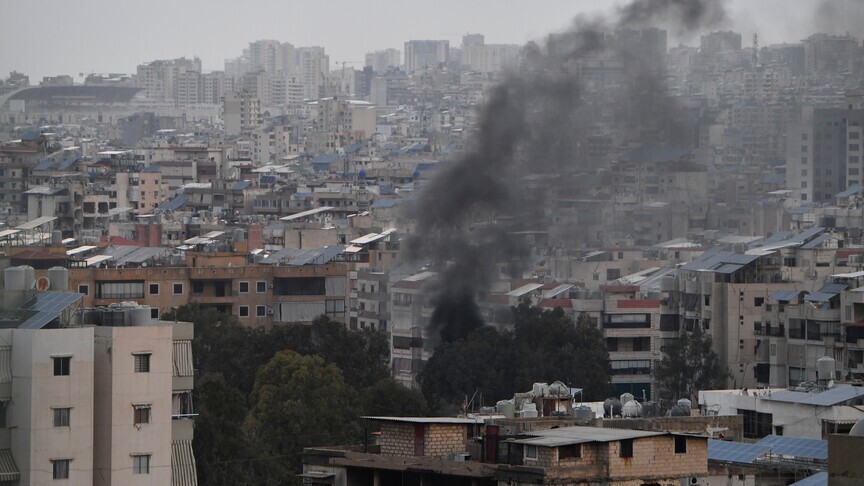
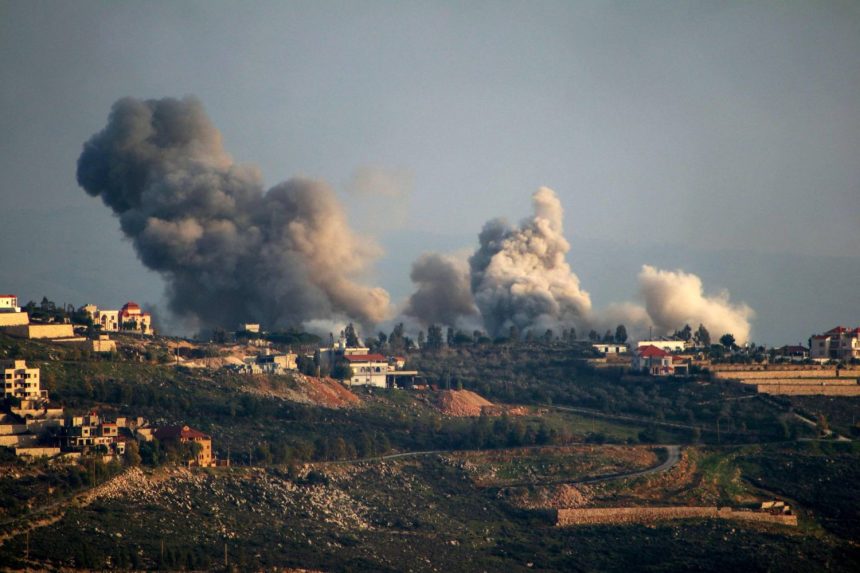
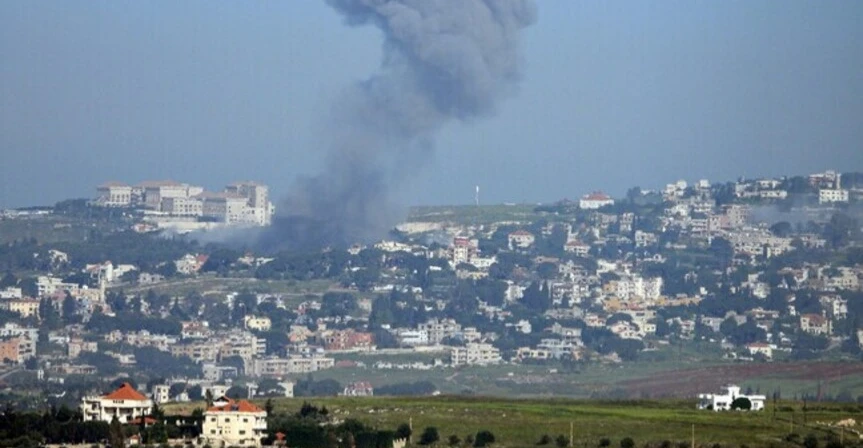
Israeli forces conducted a new series of air attacks on Southern Lebanon, intensifying the conflict as the death toll from ongoing military escalation continues to rise. The latest offensive saw Israel stage another series of air attacks on Southern Lebanon, impacting communities across the border region. Lebanon's health ministry reported on X that the total number of citizens killed since the beginning of hostilities on March 2 has reached 2,969. The ministry also stated that 9,112 individuals have been wounded in the conflict, showing the severe humanitarian impact of the sustained violence.
Escalating Violence Continues
At least 18 Lebanese individuals were killed and 124 others sustained injuries on Saturday during an Israeli air attack on Lebanon. This particular assault marks a significant escalation in the ongoing hostilities in the region. The incident contributed directly to the rising death toll reported by Lebanon's health ministry. The ministry previously stated on X that 2,969 citizens have been killed and 9,112 wounded since March 2, when hostilities began. The latest fatalities and injuries occurred amidst continued exchanges across the border, despite calls for de-escalation from international bodies. The situation remains volatile in Southern Lebanon, with both sides reporting casualties and infrastructure damage. The recent attacks highlight the persistent challenges in achieving any lasting calm, as the daily reality on the ground continues to be one of conflict and loss.
Ceasefire Accord Details
A ceasefire accord between Israel and Lebanon was extended for an additional 45 days following negotiations in Washington. Envoys from both nations participated in the discussions in the United States capital, aiming to find a path towards de-escalation. These talks mark a significant development, coming after the first direct negotiations in decades between Beirut and Tel Aviv last month. The extension aims to provide a framework for de-escalation amidst ongoing hostilities, offering a diplomatic channel despite the active conflict. The accord's renewal signifies continued diplomatic efforts to manage the conflict, despite the recent escalation in violence and the rising casualty figures reported by Lebanon's health ministry. The very fact that these negotiations took place shows the international community's desire to mitigate the conflict, even as the situation on the ground remains highly unstable.
Humanitarian Impact and Statistics
The ceasefire agreement, extended for an additional 45 days after negotiations in Washington, has never been observed in practice. Despite diplomatic efforts and the formal extension of the accord, hostilities have continued unabated, leading to a rising number of casualties. This lack of observance directly contributes to the grim statistics emerging from the region. The total number of wounded individuals in Lebanon has reached 9,112, according to the health ministry. This figure reflects the ongoing impact of the conflict on the civilian population, including those injured in incidents such as the recent Israeli air attack on Saturday. The diplomatic discussions in Washington, which led to the ceasefire extension, occurred despite the long-standing absence of formal diplomatic relations between Beirut and Tel Aviv. The lack of observance of the ceasefire notes the persistent challenges in de-escalating the situation on the ground and protecting civilian lives, even as diplomatic channels are opened. The continued fighting, despite the agreed-upon ceasefire, paints a stark picture of the difficulties in translating diplomatic agreements into tangible peace.