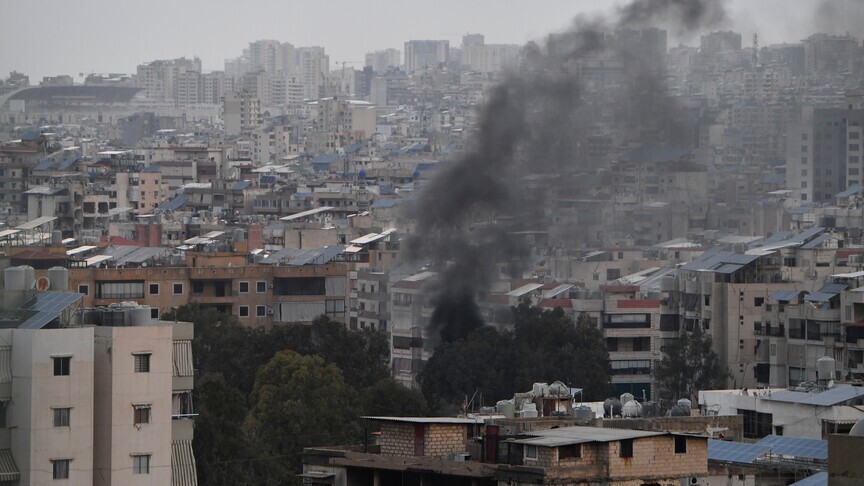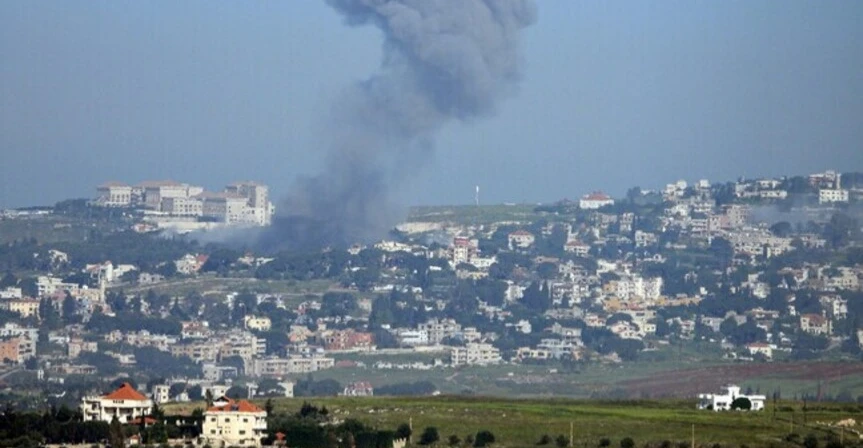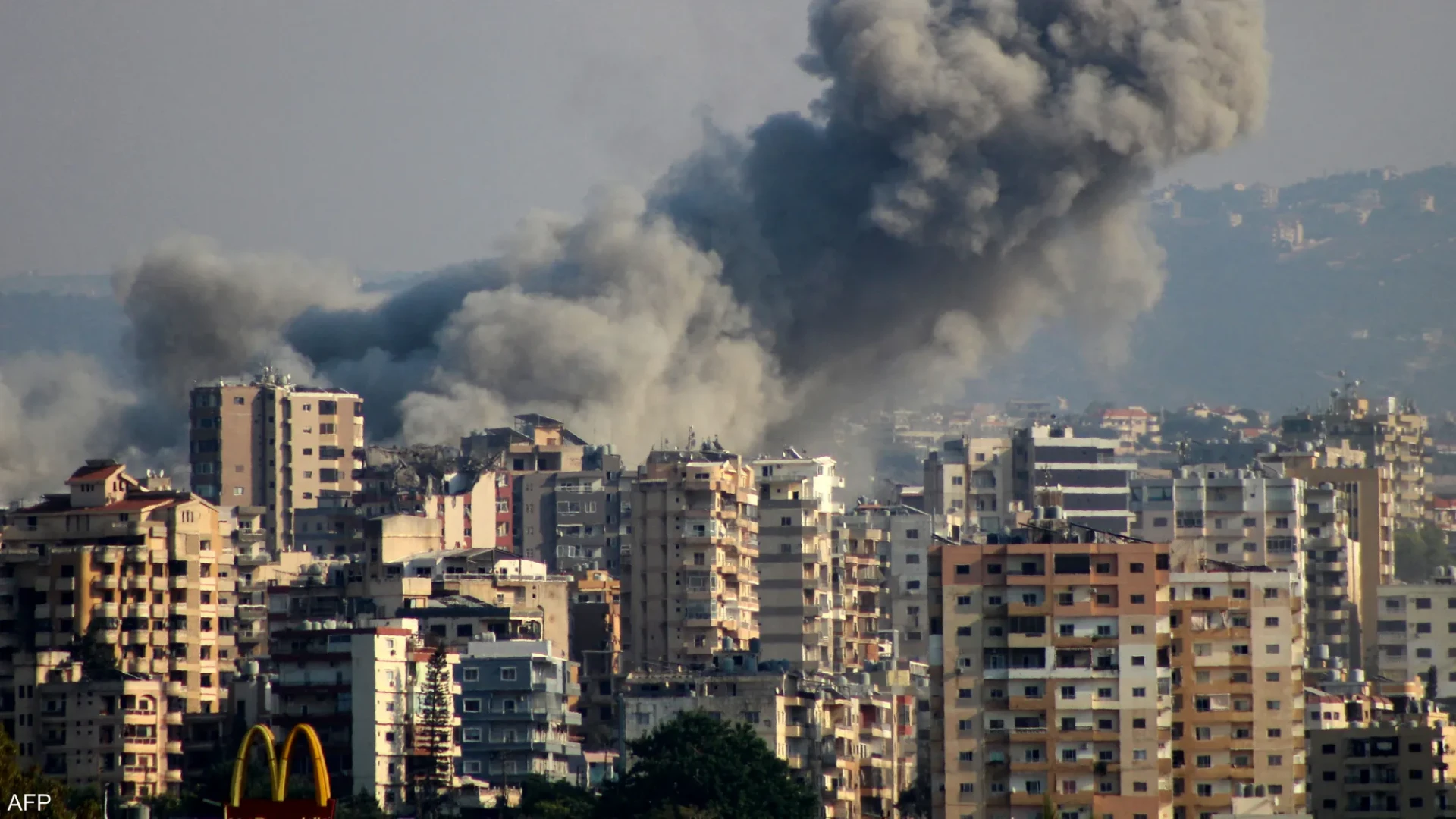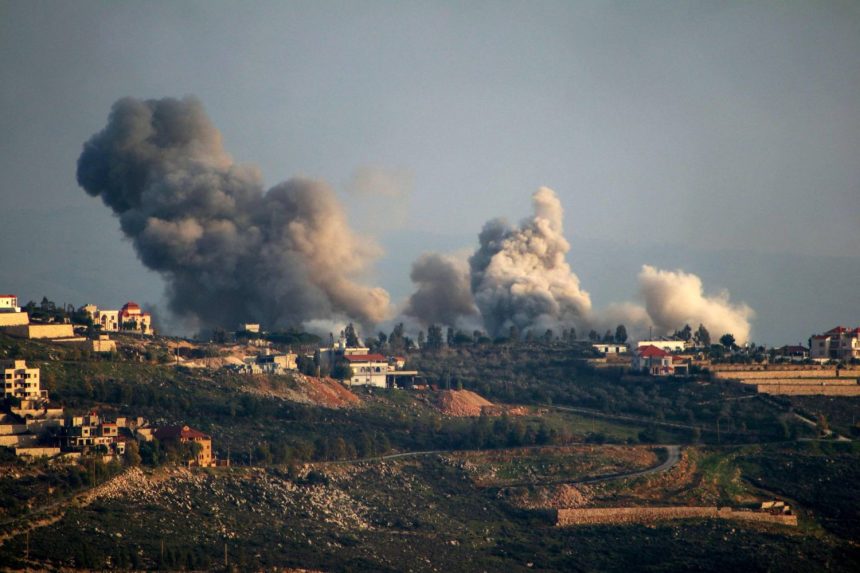
An Israeli airstrike killed three people Monday in the Tyre district of southern Lebanon. The strike specifically targeted the town of Jwayya, a community located within the broader Tyre district, resulting in the fatalities. The incident occurred as tensions remain acutely high along the border region, marking another significant development in the ongoing cross-border hostilities. The precision of the strike and its tragic outcome have once again drawn attention to the volatile security situation in southern Lebanon.
Escalating Border Tensions
Tensions have remained significantly high along the Lebanese-Israeli border, persisting despite ongoing diplomatic efforts focused on maintaining a ceasefire agreement. Just days before the recent strike, the U.S. Department of State announced a 45-day extension of the ceasefire between Lebanon and Israel. This diplomatic initiative was specifically aimed at de-escalating the hostilities and fostering a period of calm in the sensitive region. However, the latest incident, which claimed three lives, starkly shows the persistent instability in the area, occurring amidst a continuous pattern of cross-border exchanges. These diplomatic efforts are part of broader regional and international attempts to prevent a wider conflict from engulfing the Middle East. The repeated breaches of ceasefire agreements and the continuation of military actions highlight the deep-seated challenges in achieving lasting peace and stability along this contentious frontier. The recent strike serves as a stark reminder of the fragility of any negotiated calm in the face of persistent military engagement.
Grim Toll Mounts
The death toll from Israeli attacks on Lebanon has reached a grim milestone, totaling 2,988 fatalities since March 2, according to figures released by Lebanon’s Ministry of Public Health. The Ministry reported this cumulative total as of Sunday, just a day prior to the latest strike. These fatalities are a direct and tragic consequence of the ongoing hostilities that have affected various regions across Lebanon, particularly its southern areas. The reported numbers highlight the severe human cost of the sustained conflict, illustrating the profound impact on civilian lives and infrastructure. Cross-border incidents have continued to contribute to this rising figure, reflecting the persistent instability and the continuous cycle of violence in the area. The Ministry's data serves as a critical and sobering indicator of the profound impact on civilian lives amidst the protracted tensions, providing a stark quantitative measure of the conflict's devastating reach. Each reported death represents a significant loss, contributing to the growing humanitarian crisis in affected communities.
Ongoing Conflict Context
The Israeli airstrike on Monday specifically targeted the town of Jwayya, located within the Tyre district of southern Lebanon. This incident marks another escalation in the ongoing cross-border hostilities between Israel and Lebanon, further exacerbating an already volatile situation. The region has consistently been a flashpoint, characterized by frequent exchanges of fire reported by both sides, contributing to a climate of fear and uncertainty among residents. Such strikes contribute significantly to the persistent instability in the area, despite concerted international efforts aimed at de-escalation and the establishment of a durable ceasefire. The targeting of Jwayya shows the continued reach of military operations into populated areas, raising serious concerns among residents and international observers alike regarding the safety of civilians. The broader context involves a protracted period of tension along the border, characterized by a complex interplay of military actions and diplomatic initiatives attempting, often unsuccessfully, to prevent a wider regional conflict. These events highlight the extremely fragile security situation in southern Lebanon, where civilian populations frequently bear the brunt of such military engagements. The strike adds to the cumulative impact of hostilities on communities in the Tyre district and surrounding areas, disrupting daily life and causing widespread distress. The continuous cycle of violence shows the urgent need for a lasting resolution to the conflict.