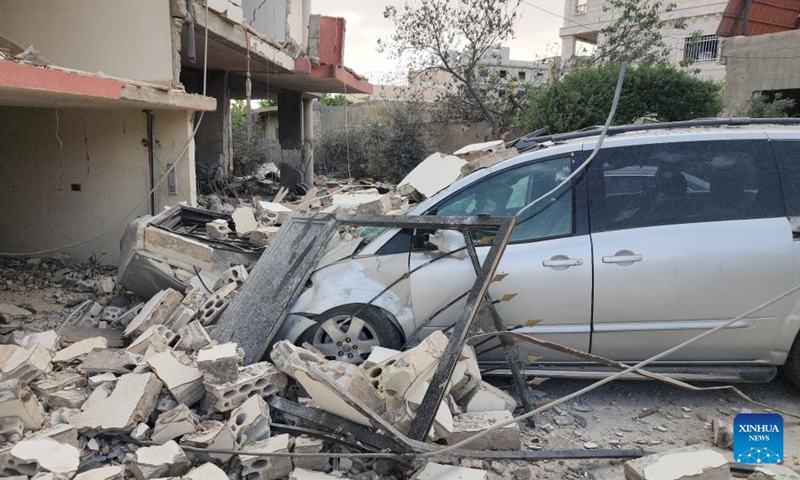
The United Nations Security Council has voted to end the mandate of the United Nations Interim Force in Lebanon (UNIFIL) by the close of 2026. This decision comes amidst a period of renewed violence in Lebanon, which has already resulted in the deaths of six peacekeepers. UNIFIL's mandate, established to maintain peace and security in Southern Lebanon, will therefore conclude after decades of operations in the country. The resolution marks a significant shift in the international community's approach to the ongoing tensions in the Middle East, signaling a move towards greater Lebanese responsibility for security within its borders.
Mandate and Resolution Details
The decision to end the mandate was taken by the UN Security Council in August last year through the adoption of Resolution 2790. This resolution tasks the Secretary-General with presenting options by June 1 of this year for the future implementation of resolutions currently overseen by UNIFIL. Among these, Resolution 1701 (2006) is particularly notable. Resolution 1701 (2006) brought an end to the 2006 conflict between Israel and Hezbollah. It also expanded UNIFIL's mandate to include monitoring the cessation of hostilities, ensuring humanitarian access, and supporting the deployment of the Lebanese Armed Forces in southern Lebanon. The resolution showed the importance of a lasting ceasefire and a long-term solution to the conflict, which UNIFIL was tasked to help facilitate.
A key mechanism for de-escalation, the Tripartite series of military meetings, facilitated discussions between Israeli and Lebanese armed forces. These meetings, held between 2006 and 2023, aimed to defuse tensions along the Blue Line separating the two nations. The regular interactions provided a key platform for addressing security concerns and preventing escalation in a highly volatile region. The cessation of these meetings following the mandate's conclusion raises questions about future de-escalation mechanisms. Resolution 2790, which formalized the decision to conclude UNIFIL's mandate, now directs attention towards alternative strategies for maintaining stability.
UNIFIL's Role and Scale
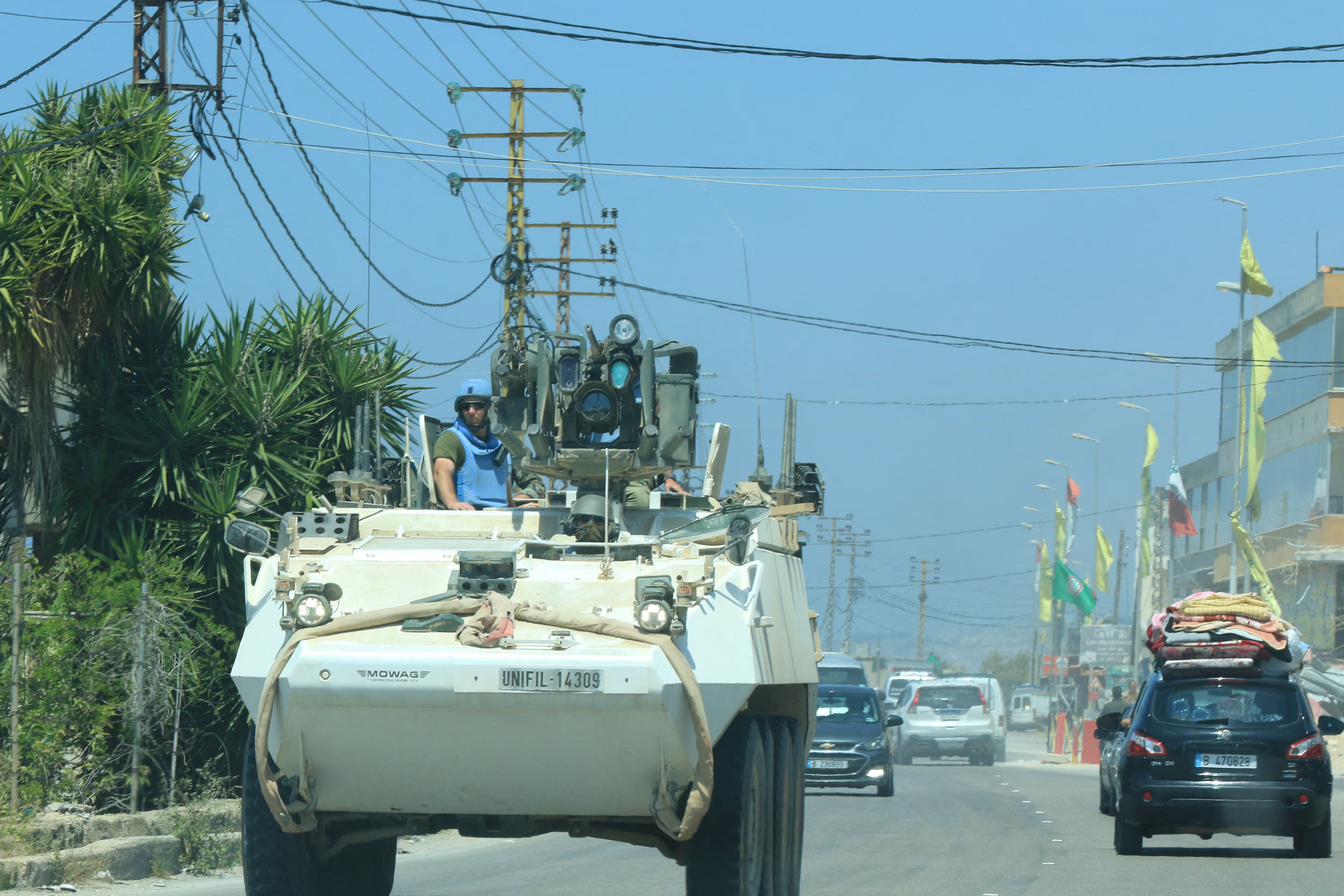
The United Nations Interim Force in Lebanon (UNIFIL) was established in 1978 to oversee Israel’s withdrawal from Lebanon and to assist in restoring international peace and security in the region. The mission operates exclusively on the Lebanese side of the border with Israel. UNIFIL currently fields approximately 8,500 peacekeepers, drawn from nearly 50 troop-contributing countries. These personnel are deployed across Southern Lebanon, fulfilling the mission's mandate. Their presence has been a critical deterrent against wider conflict and a source of stability for local populations. The peacekeepers have been involved in numerous operations, ranging from patrols and observation posts to community engagement and humanitarian assistance.
Following the Security Council's decision to end its mandate, UNIFIL has developed plans for the withdrawal of its personnel. These plans also encompass the processes for the disposal of its bases and equipment in Lebanon. The mission’s operations have historically included monitoring the cessation of hostilities and ensuring humanitarian access in its area of operations. The careful planning for withdrawal aims to ensure an orderly transition and minimize any potential security vacuums. The full strategy addresses logistical challenges, environmental considerations, and the handover of facilities to appropriate Lebanese authorities.
Future Security Arrangements
The decision to conclude the UNIFIL mandate was primarily influenced by Washington, which advocated for increased responsibility to be taken by the Lebanese Army in maintaining stability in the region. This push shows a shift towards empowering local forces in southern Lebanon, with the expectation that the Lebanese Armed Forces will assume full control over security arrangements. The United States has consistently noted the need for Lebanon to assert full control over its borders and territory, aligning with the objectives of these long-standing UN resolutions. This perspective emphasizes national sovereignty and the capacity of state institutions to manage internal security challenges.
Resolution 1701, initially adopted in 2006 to halt hostilities between Israel and Hezbollah, alongside Resolution 1559, is expected to serve as the foundational framework for future security configurations in southern Lebanon. Resolution 1559, passed in 2004, calls for the disarmament of all Lebanese and non-Lebanese militias and the extension of Lebanese government control over all its territory. Together, these resolutions aim to guide the transition following UNIFIL's withdrawal, focusing on Lebanese sovereignty and the disarmament of non-state actors. The continued relevance of these resolutions notes the international community's enduring commitment to a stable and sovereign Lebanon, free from the influence of armed groups. Both Resolution 1701 and Resolution 1559 call for foreign forces to withdraw from Lebanon and for the disarmament of all armed groups in the country, providing a clear roadmap for the post-UNIFIL era.
Expert and Analyst Perspectives
The UN Security Council adopted Resolution 2790 in August last year, which formalized the decision to conclude UNIFIL's mandate. This resolution sets the stage for a significant shift in the region's security architecture. Both Resolution 1701 and Resolution 1559, key frameworks for Lebanon, stipulate the withdrawal of all foreign forces from the country. They also call for the disarmament of all armed groups operating within Lebanon. These resolutions show the international community's long-standing objectives for Lebanese sovereignty and territorial integrity. The emphasis on these existing resolutions suggests a continuity in policy, even as the operational presence of UNIFIL draws to a close. The success of this transition will largely depend on the capacity and willingness of the Lebanese government and its armed forces to implement these mandates effectively, particularly in a region marked by complex geopolitical dynamics. The international community will be closely observing the developments to ensure that the withdrawal does not lead to a resurgence of instability.