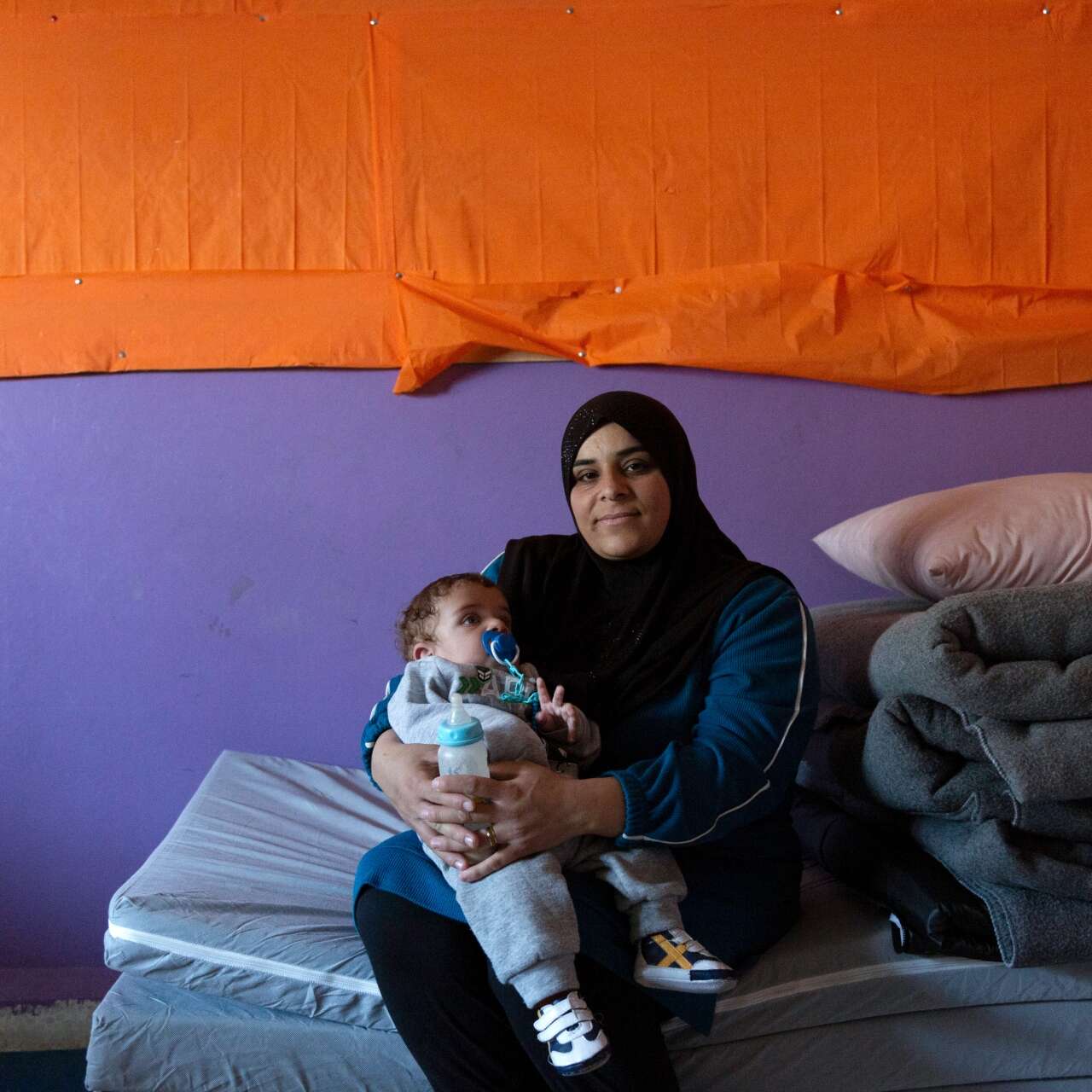
Lebanon's Health Ministry reported on Monday that the cumulative death toll from Israeli attacks since March 2 has reached a grim total of 3,020 individuals. The ministry also stated that 9,273 other individuals have been wounded in these attacks during the same period, painting a stark picture of the ongoing conflict's human cost. Israeli strikes and shelling persisted across various locations in Lebanon from Sunday night into Monday morning, indicating a continuation of hostilities despite diplomatic efforts. The latest wave of attacks resulted in the deaths of at least six people, further escalating concerns about the stability of the region.
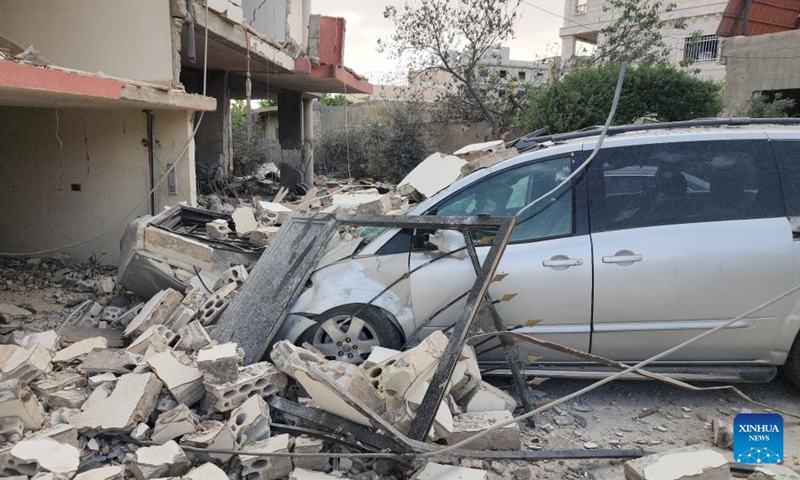
The continuous bombardment has left a trail of destruction and casualties, with communities across Lebanon bearing the brunt of the violence. The Health Ministry's detailed report provides a full overview of the impact, noting the extensive medical and humanitarian challenges faced by the nation. The significant number of wounded individuals shows the widespread nature of the attacks and their broad consequences for civilian populations.
Recent Fatalities and Strikes
Among the recent casualties, two Palestinians died in the Baalbek district of eastern Lebanon after a guided missile struck their apartment shortly after midnight. The Lebanese National News Agency (NNA) identified the victims as Wael Abdel Halim, a commander in the Palestinian Islamic Jihad, and his 17-year-old daughter Rama. This incident, occurring in the early hours of Monday, shows the precision and lethality of the strikes, even in residential areas. The targeting of a known figure, alongside a civilian, raises questions about the rules of engagement and the protection of non-combatants in the conflict zone.
The violence was not confined to the eastern regions. In southern Lebanon, three individuals were killed in an Israeli airstrike that targeted a village, adding to the growing death toll. This strike contributed to the overall casualties reported for the period, demonstrating the widespread nature of the Israeli military operations. Separately, another person died and eight others sustained injuries in a strike on the town of Maarakeh, further illustrating the immediate and devastating impact of these attacks on local communities. The incident in Maarakeh resulted in both fatalities and a significant number of wounded, straining local emergency services and medical facilities.
Adding to the destruction, Israeli warplanes also struck a residential and commercial complex along the Deir al-Zahrani highway in southern Lebanon on Monday morning, completely destroying the building. This strike, targeting infrastructure that serves both living and economic purposes, suggests a broader strategy impacting civilian life and local economies. The complete destruction of the complex will undoubtedly have long-term repercussions for those who resided and worked there. Additional raids by Israeli warplanes targeted several areas in the districts of Tyre and Bint Jbeil, both located in southern Lebanon. These multiple aerial assaults across different districts indicate a concerted and extensive military operation, covering a wide geographical area and affecting numerous communities. The sustained nature of these strikes, from Sunday night into Monday morning, points to a continuous operational tempo by the Israeli forces.
Reciprocal Cross-Border Actions
In response to the Israeli military actions, Hezbollah stated it targeted an Israeli Iron Dome platform in the barracks of northern Israel's Galilee Panhandle, utilizing an attack drone. This action notes Hezbollah's capability to deploy advanced weaponry, including unmanned aerial vehicles, to target Israeli military installations. The group's claim suggests a strategic aim to degrade Israel's air defense capabilities, which are key for intercepting incoming rockets and missiles. Such an attack, if successful, could significantly alter the dynamics of cross-border engagements.
Hezbollah also reported striking a gathering of Israeli soldiers and military vehicles in Rashaf, southern Lebanon, with a rocket barrage. This ground-based assault demonstrates Hezbollah's continued ability to engage Israeli forces directly on the ground, utilizing conventional rocket artillery. The targeting of troop concentrations and military hardware indicates an intent to inflict casualties and disrupt Israeli operational movements. These reciprocal actions show the tit-for-tat nature of the conflict, where each side responds to the other's military maneuvers, perpetuating a cycle of violence.
Despite an existing truce, Israel has maintained its strikes in Lebanon, indicating that the ceasefire agreements have not entirely halted military operations. This continuation of hostilities by Israel, even during periods of supposed calm, complicates de-escalation efforts and maintains high levels of tension. Concurrently, Hezbollah has continued to launch attacks on northern Israel and Israeli military positions located in southern Lebanon. This parallel continuation of offensive actions by both parties suggests that underlying grievances and strategic objectives remain unaddressed, preventing a full cessation of hostilities. The persistence of these cross-border exchanges, despite diplomatic interventions, remains a significant concern for regional stability.
Ceasefire and Underlying Conflict
A ceasefire between Israel and Lebanon commenced at midnight between April 16 and 17, temporarily halting cross-border hostilities. This initial agreement offered a glimmer of hope for a de-escalation of the conflict that had been raging. The fighting began on March 2 and was connected to the U.S.-Israeli war with Iran, providing critical context for the origins and motivations behind the prolonged period of violence. The broader geopolitical framework involving the United States and Iran shows the regional implications of the localized conflict between Israel and Lebanon.
Following the initial agreement, Washington announced on April 23 that both Israel and Lebanon had agreed to prolong the ceasefire by an additional three weeks. This extension signaled a cautious optimism among international mediators that a more lasting peace could be forged. The agreement marked a continuation of efforts to de-escalate tensions in the region, with diplomatic channels actively working to maintain the fragile calm. The involvement of the United States as a mediator notes the international community's concern over the potential for wider regional destabilization.
The United States further stated on Friday that the two sides reached an agreement to extend the ceasefire for another 45 days. This latest extension indicates ongoing diplomatic engagement aimed at maintaining a cessation of hostilities between the two nations, providing a longer window for negotiations and peace-building initiatives. The incremental extensions suggest a strategy of building trust and momentum towards a more permanent resolution, though the continued reports of strikes from both sides indicate the fragility of these agreements. The repeated need for extensions also points to the deep-seated nature of the conflict and the challenges in achieving a full and lasting peace. The international community, particularly the United States, continues to play a key role in facilitating these diplomatic breakthroughs, hoping to prevent a full-scale war.