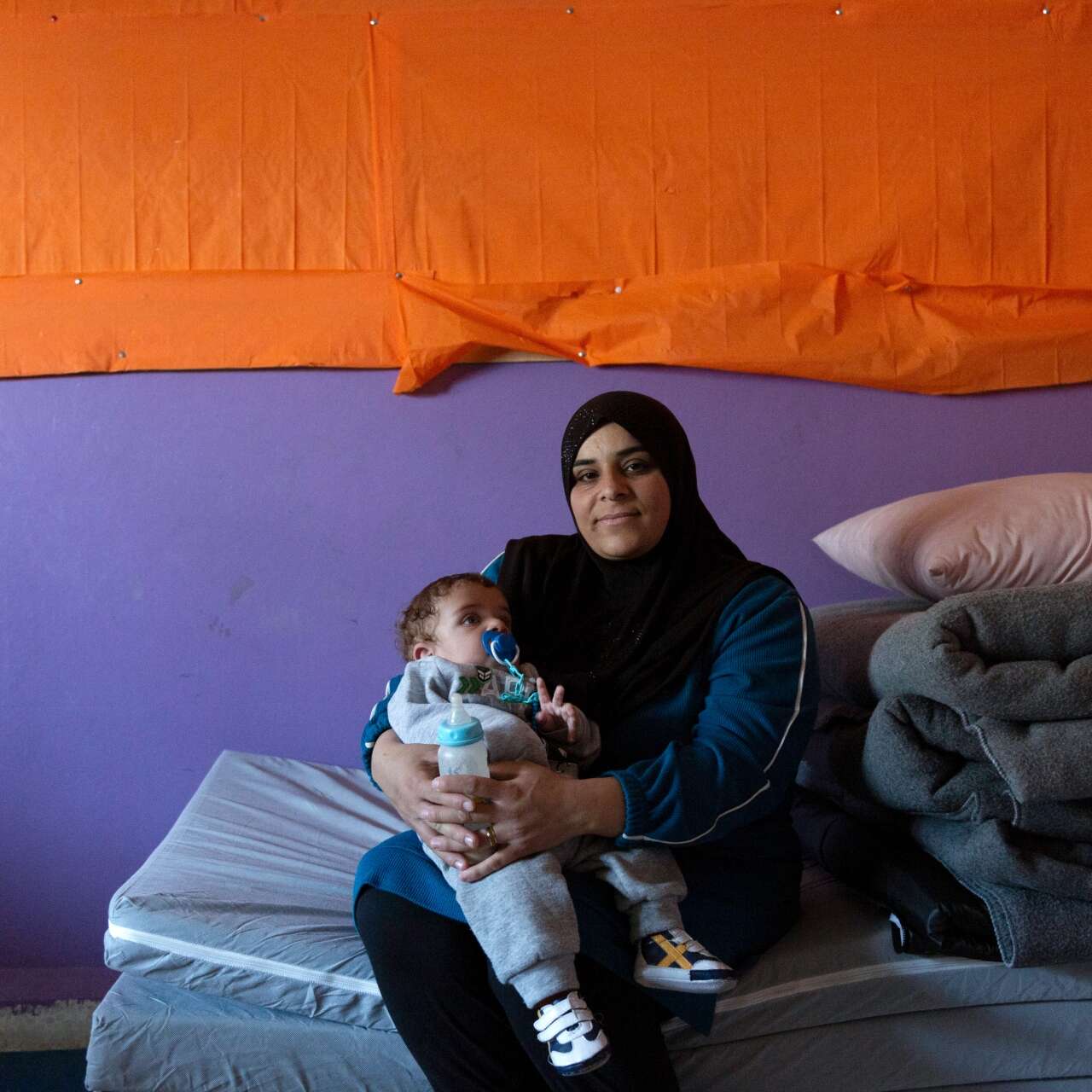
Warda’s family, among more than 1 million people forced to flee their homes in Lebanon, experienced displacement for the second time in three years due to escalating conflict. Her husband, Ali, previously provided for his family as a farmer before the recent displacement. Warda described the sudden upheaval, stating, "My children were sleeping—they were in one world and woke up in a completely different one." This recent displacement marked the second time in three years that Warda's family had been forced from their home, noting a recurring pattern of instability.
"My sons Houssam and Wissam have trauma from that previous war," Warda said. "I wish to live in safety, return home, and send my children to school." She further articulated the emotional toll, saying, "Just the exhaustion, the psychological exhaustion, the young children, the responsibility, and the war." Warda recounted the drastic change: "Everything has changed—we were living in safety, and now life is no longer safe. There was stability, a life, and work. My husband used to work and provide for his children, and now he has nothing to do—everything changed." She expressed a desire for peace, adding, "I wish the war would end so we can live in safety again, go back to our village, and reunite with our family and friends. And to live in safety, above all." The profound impact of these successive displacements has left an indelible mark on her family.
A Family's Flight
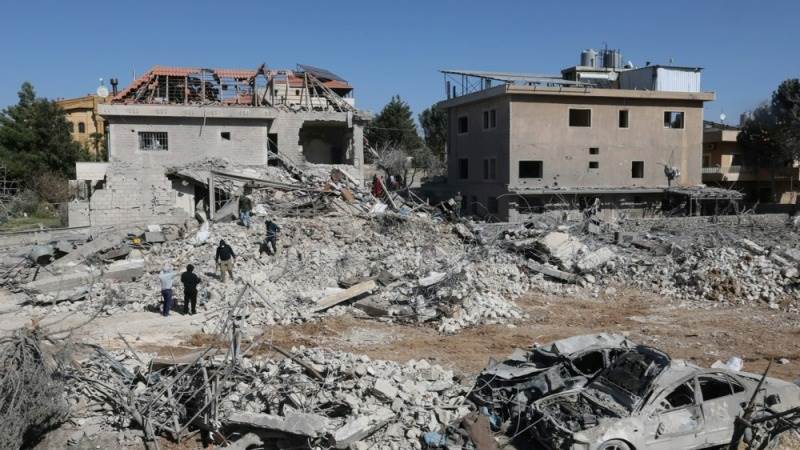
Warda's family fled their home in southern Lebanon in the early hours of the morning as airstrikes and shelling intensified. The family experienced displacement for the second time in three years, having had their home bombed and destroyed in 2024 during a previous escalation between Israel and Hezbollah. This earlier destruction of their home shows the persistent threat to civilian infrastructure and lives in the region. Warda recounted the sudden upheaval, stating, "My children were sleeping—they were in one world and woke up in a completely different one."
Warda's youngest son, Mohammad, is seven months old and was born with health complications, including an enlarged liver and damaged lungs. Mohammad spent the first two weeks of his life in an incubator, a challenging start compounded by the family's subsequent displacement. Her older sons, Houssam and Wissam, are also showing signs of trauma, including a fear of loud noises, difficulty sleeping alone, and struggles with concentration. "My sons Houssam and Wissam have trauma from that previous war," Warda said, adding, "I wish to live in safety, return home, and send my children to school."
The displacement has taken a significant toll on Warda. "Just the exhaustion, the psychological exhaustion, the young children, the responsibility, and the war," she explained. The sheer weight of caring for her children amidst such uncertainty is palpable. "Everything has changed—we were living in safety, and now life is no longer safe. There was stability, a life, and work. My husband used to work and provide for his children, and now he has nothing to do—everything changed." Many displaced families in Beirut are now sleeping in cars or under the night’s sky, a stark illustration of the dire conditions. Warda expressed her hope for an end to the conflict, stating, "I wish the war would end so we can live in safety again, go back to our village, and reunite with our family and friends. And to live in safety, above all."
The Human Cost of Conflict
The escalation of hostilities between Hezbollah and Israel in March caused displacement for families like Warda's, forcing them to flee their homes in southern Lebanon. Many displaced people are surviving with little to no resources, facing immense challenges in securing basic necessities. Warda’s youngest son, Mohammad, faced significant health challenges from birth, spending the first two weeks of his life in an incubator. Warda described the sudden upheaval, stating, "My children were sleeping—they were in one world and woke up in a completely different one." The disruption of their lives is not merely physical but deeply psychological.
The emotional toll of the conflict is evident in families. Warda expressed the immense burden, saying, "Just the exhaustion, the psychological exhaustion, the young children, the responsibility, and the war." Her eight-year-old son, Houssam, regularly participates in the International Rescue Committee’s (IRC) safe space program at a collective shelter in Lebanon, seeking support amidst the instability. This program offers a vital lifeline for children grappling with the trauma of conflict and displacement. Warda noted the lasting impact on her children, stating, "My sons Houssam and Wissam have trauma from that previous war. I wish to live in safety, return home, and send my children to school." Her older sons are particularly affected, showing signs of trauma that include a fear of loud noises, difficulty sleeping alone, and struggles with concentration.
The conflict has fundamentally altered daily life for many Lebanese families. Warda recounted the drastic change, explaining, "Everything has changed—we were living in safety, and now life is no longer safe. There was stability, a life, and work. Her husband, Ali, who once provided for his family as a farmer, now finds himself unable to work. My husband used to work and provide for his children, and now he has nothing to do—everything changed." She voiced a profound desire for stability and peace, adding, "I wish the war would end so we can live in safety again, go back to our village, and reunite with our family and friends. And to live in safety, above all." The loss of livelihood, coupled with the constant threat of violence, creates an unsustainable situation for countless families.
Broader Implications and Hope
Lebanon is grappling with one of the worst financial collapses in modern history, exacerbating the challenges faced by its population. This severe economic downturn means that the country's capacity to respond to humanitarian crises is severely limited. Amidst this crisis, the country's existing infrastructure struggles to accommodate the growing number of displaced individuals. Only about 15% of Lebanon’s displaced population has been able to find refuge in the country’s 640 collective shelters, leaving a significant majority to seek alternative or less formal arrangements. This means the vast majority of displaced people are surviving with little to no resources, often in precarious conditions. The widespread displacement further strains resources in a nation already contending with severe economic pressures, creating a complex web of humanitarian needs. The situation shows the urgent need for sustained international support and a lasting resolution to the conflict.