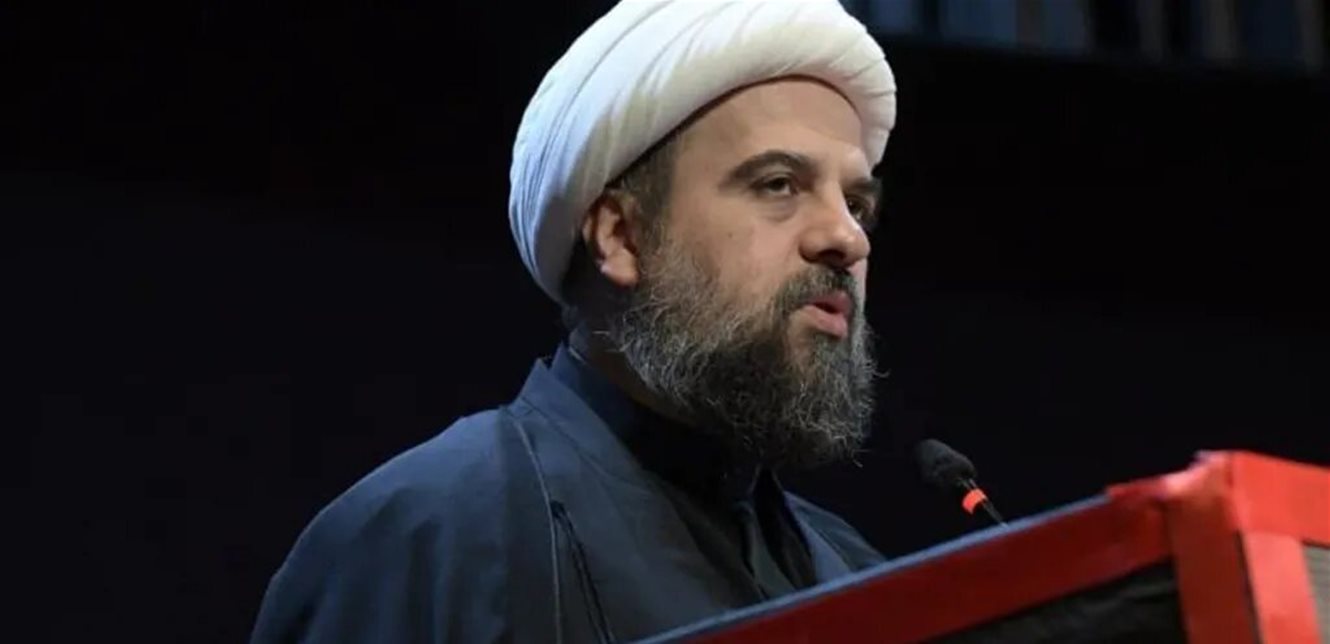
Sheikh Ahmad Qabalan, the Grand Jaafari Mufti of Lebanon, has issued a profound call for national unity, emphasizing that nothing is more important for Lebanon than national consensus and preventing internal strife. This imperative is particularly critical as the region experiences turmoil and an escalating conflict where America and Israel are engaged in critical wars. Speaking in Beirut, Sheikh Qabalan asserted that external solutions or isolation would not resolve Lebanon's multifaceted challenges. He stated, "The solution is internal, not external, through consensus, not individual action, and through communication, not estrangement." This statement shows his belief that Lebanon's future hinges on its ability to forge internal cohesion. Sheikh Qabalan further noted that the current Lebanese authority's path, which he described as excessively compliant with Washington and Tel Aviv, risks internal division. He added that the rejection of national unity in any key decision leads to the collapse of authority, a perilous trajectory for the nation.
External Pressures and Internal Divisions
Sheikh Ahmad Qabalan, the Grand Jaafari Mufti of Lebanon, has issued a stark warning that Washington and Tel Aviv are insisting on creating a significant internal breach within Lebanon, potentially even at the expense of civil peace. Qabalan stated that the current Lebanese authority is uniquely placing Lebanon's head on a table subject to the influence of Washington and Tel Aviv, thereby exposing the nation to undue external pressures. He cautioned about what is happening behind the scenes of the Israeli-Lebanese negotiations, suggesting that some parties aim to dismantle Lebanon from within by exacerbating existing divisions.
Qabalan further warned that the greatest danger to the Lebanese Army comes from American projects aiming to infiltrate it from within, under the watch of the current political authority. This, he suggested, could compromise the army's integrity and its unifying role, which he identifies as critical for national stability. He criticized the Lebanese authority's excessive submission to Washington and its dangerous exclusion of components of the country, asserting that such exclusion destroys Lebanon's social fabric and political cohesion. According to Qabalan, the game of Washington's negotiations is fundamentally based on internal division and its necessities, aiming to exploit existing rifts for foreign policy objectives. This strategic approach, he argues, undermines Lebanon's sovereignty and its capacity for self-determination.
The Imperative of National Unity
Sheikh Ahmad Qabalan emphasized that Lebanon's core issue is one of national formation and a pluralistic foundation, asserting that without these fundamental pillars, the country would collapse from within. He elaborated that the very identity of Lebanon is tied to its diverse communities coexisting in harmony, and any threat to this pluralism is a threat to the nation's existence. Qabalan warned that any political faction that loses national unity in a critical choice, or negotiates with Israel while boycotting its country's resistance and disavowing its people's rights, contributes directly to the destruction of its homeland. He noted that nations typically resolve internal crises either through political means, involving dialogue and compromise, or, tragically, through civil war. Qabalan expressed a fervent desire to prevent the current authority from leading Lebanon into a civil war, stressing the devastating consequences such a conflict would entail for all Lebanese citizens.
According to Qabalan, loyalty, as defined by the national document, belongs unequivocally to Lebanon itself, not to any specific political authority or faction. He stated that manufacturing hatred, distorting national defense, demonizing the resistance and its people, and abandoning regions such as the South, the Dahieh, and the Beqaa fundamentally undermines the state's function and concept. These actions, he argues, erode the trust between the state and its citizens, create internal animosity, and weaken the collective national identity. Qabalan's remarks show a continued and urgent call for internal cohesion against a backdrop of increasing regional volatility and internal political maneuvering. He believes that only through genuine national unity can Lebanon navigate the complex challenges it faces and secure its future.
Guiding Principles and Key Figures
Sheikh Ahmad Qabalan noted the protection of the Lebanese Army and ensuring its unifying role as the critical national mission. He stressed that the army represents a key symbol of national sovereignty and a guarantor of internal security, whose impartiality and strength must be preserved at all costs from both internal and external pressures. Qabalan also identified Speaker Nabih Berri as the guarantor of Lebanon's most critical internal crises, acknowledging his key role in mediating disputes and fostering dialogue among various political factions. He stated that opposing Speaker Berri is a path to Lebanon's destruction, signifying the Speaker's indispensable function in maintaining political equilibrium and preventing further fragmentation.
These statements emphasize the importance of strong national institutions and the critical role played by key political figures in maintaining stability amidst ongoing regional and internal challenges. The Grand Jaafari Mufti's remarks show a profound focus on internal cohesion and the safeguarding of national assets, particularly the military, from external pressures and internal divisions. His assessment of Speaker Berri's role suggests a recognition of his significant influence in mediating and resolving complex political impasses within the country, noting his experience and ability to navigate the intricate Lebanese political landscape. Qabalan's vision for Lebanon is one where internal consensus, a strong national army, and wise leadership converge to protect the nation from the myriad threats it currently faces.