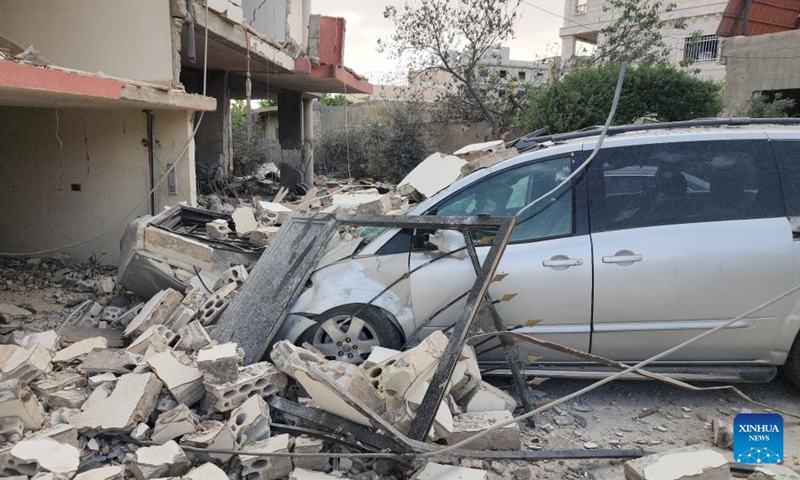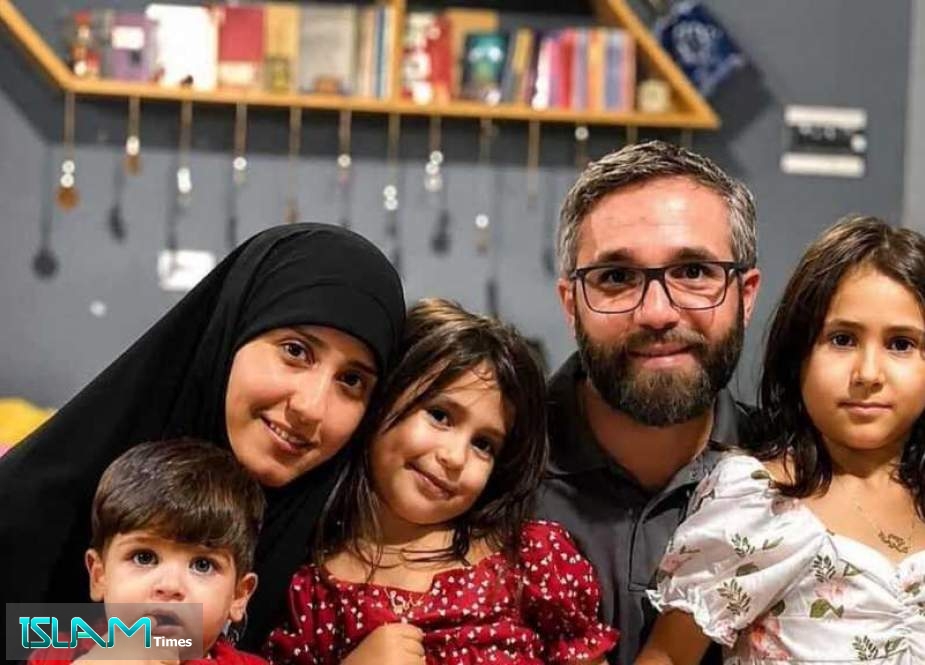
An Israeli airstrike on the southern Lebanese town of Deir Qanoun Al-Nahr, located in the Tyre district, killed more than 10 civilians on Tuesday. The attack, which Lebanese officials described as a "massacre," martyred 10 people initially, including three children and three women. Three other civilians, among them a young girl, were injured in the strike. The incident occurred despite a ceasefire agreement that had been reached on April 17. The "Israeli" occupation committed this massacre in Deir Qanoun Al-Nahr, a town situated within the Tyre district, marking a significant escalation.
Escalation Amid Ceasefire
The attack occurred amid continued Israeli aggression against southern Lebanese towns and villages, according to reports from Lebanon. Occupation forces have consistently bombarded Lebanese villages, particularly those in the south, despite the declared ceasefire. These actions have contributed to ongoing tensions in the border region. The sustained bombardment by occupation forces has particularly affected communities in the southern parts of the country, where residents face continuous threats. This pattern of military action is seen as a direct challenge to efforts aimed at de-escalation and stability in the area. The ongoing aggression directly violates the ceasefire agreement that was put in place on April 17, which aimed to bring a halt to hostilities.
Broader Impact and Toll
In a separate incident on Tuesday, four civilians were martyred in the southern town of Kfarsyr following an Israeli attack. This incident further shows the severe impact of the ongoing military operations on civilian lives. The cumulative toll from intensified Israeli aggression since March 2 has reached 3,042 martyrs, according to an announcement from Lebanon’s Health Ministry. Additionally, 9,301 individuals have been wounded during the same period, noting the extensive human cost. These figures highlight the severe human cost of the sustained military actions in the region, affecting numerous towns and villages across southern Lebanon. The ministry's data reflects a substantial increase in casualties over recent weeks, indicating a worsening humanitarian situation. The continuous bombardment of Lebanese villages, particularly those in the south, by occupation forces has led to widespread displacement and destruction, further exacerbating the crisis for local populations.
Context and Resistance
The Islamic Resistance in Lebanon continues to confront these incursions and respond to "Israeli" aggression. This ongoing confrontation reflects a persistent state of conflict in the border region, where local forces are actively engaging with military actions. The resistance's activities are presented as a direct reaction to the continuous military operations targeting Lebanese territories. Their stated objective is to counter the incursions and address the aggression, maintaining a responsive posture amidst the broader regional tensions. The resistance emphasizes its role in defending Lebanese sovereignty and protecting civilian populations from further harm, responding to what it describes as repeated violations of Lebanese airspace and territory. These actions contribute to the complex and volatile security landscape along the border.
Official Response and Claims
The escalation is consistently described by Lebanese authorities as part of ongoing "Israeli" violations of the ceasefire in Lebanon. These actions contribute to a persistent state of conflict in the border region, where military operations have continued despite agreements aimed at de-escalation. Lebanese officials frequently highlight these incidents as breaches of international understandings, showing the sustained pressure on civilian areas. The pattern of strikes and military engagements is seen within Lebanon as a direct challenge to regional stability and an exacerbation of existing tensions. Officials have called for international intervention to halt the aggression and uphold the ceasefire, emphasizing the need for accountability for the attacks on civilian populations and infrastructure. The repeated violations, as described by Lebanese authorities, continue to destabilize the border region and impede any prospects for a lasting peace.