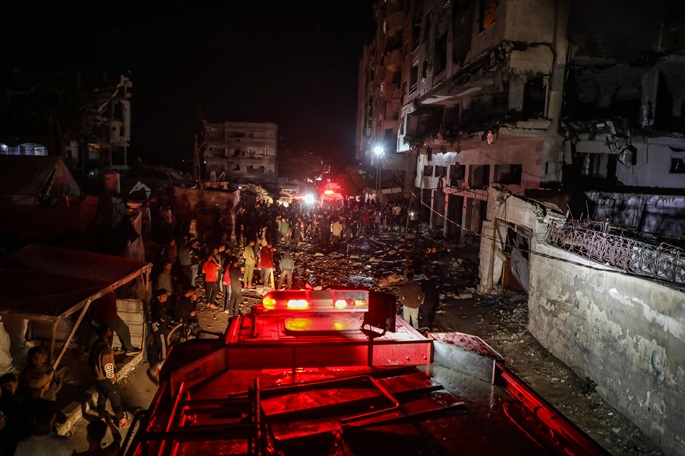
Israeli fire in the Gaza Strip killed four Palestinians, including a teenager, on Thursday. Separately, an Israeli airstrike on the town of Doueir killed five people and wounded two others. Ambulance crews recovered the bodies of two Palestinians killed by Israeli fire in al-Mawasi area, west of Rafah, identified as aid truck drivers. These incidents contribute to a deteriorating security situation across the region, raising significant international concern.
Gaza Casualties and Aid Appeals
A 13-year-old Palestinian boy was killed and two other individuals sustained injuries in an Israeli airstrike on the Beit Lahia area in northern Gaza. This strike, which occurred on Thursday, contributed to the rising casualty toll in the enclave, which has witnessed ongoing hostilities. The specific details of this attack highlight the continued danger faced by civilians, particularly children, in the conflict zone. Separately, rescue workers recovered the body of a man near the border fence in Al-Qarara, northeast of Khan Younis, southern Gaza. The individual was reportedly killed by Israeli forces in the vicinity. The recovery of bodies in areas like Al-Qarara shows the persistent presence of military operations and the resulting fatalities even in areas where humanitarian efforts are desperately needed.
Amid these developments, the Civil Defense Authority in Gaza issued a plea to the United States. The authority called for intensified international efforts to alleviate the suffering of civilians within the besieged enclave. This appeal shows the severe humanitarian situation and the urgent need for external intervention to address the conditions faced by Gaza's residents. The Civil Defense Authority's direct address to the United States notes the perceived critical role of international actors in de-escalating the conflict and facilitating aid. The persistent calls for international action reflect the growing humanitarian crisis and the inability of local authorities to manage the scale of the devastation. The ongoing hostilities continue to exacerbate the challenges in delivering essential supplies and medical aid to the affected populations.
Lebanon Strikes and Retaliation
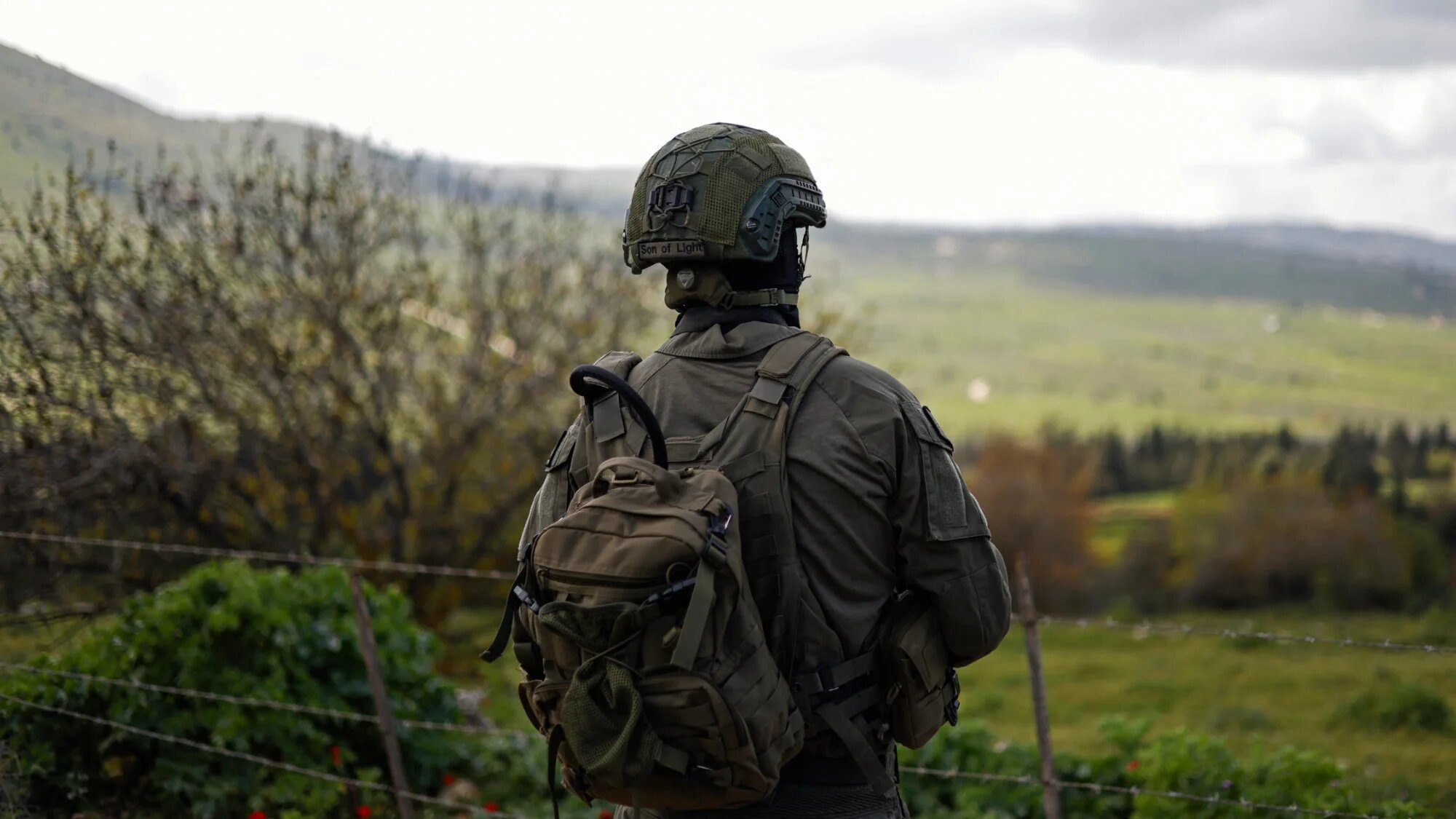
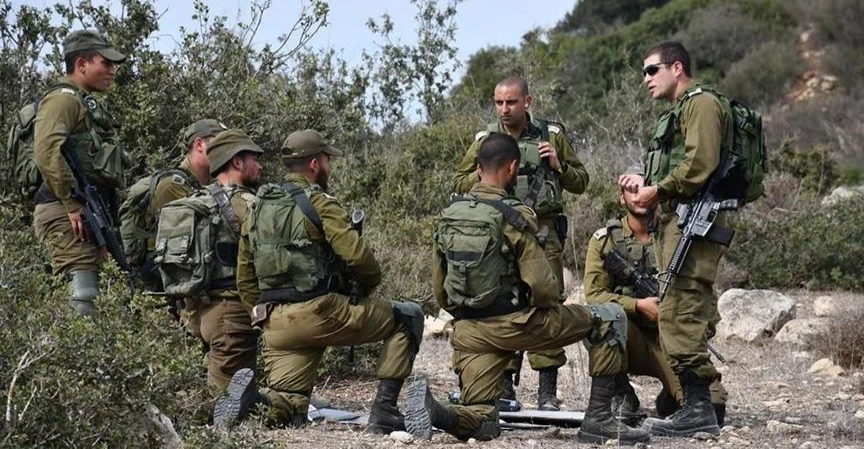
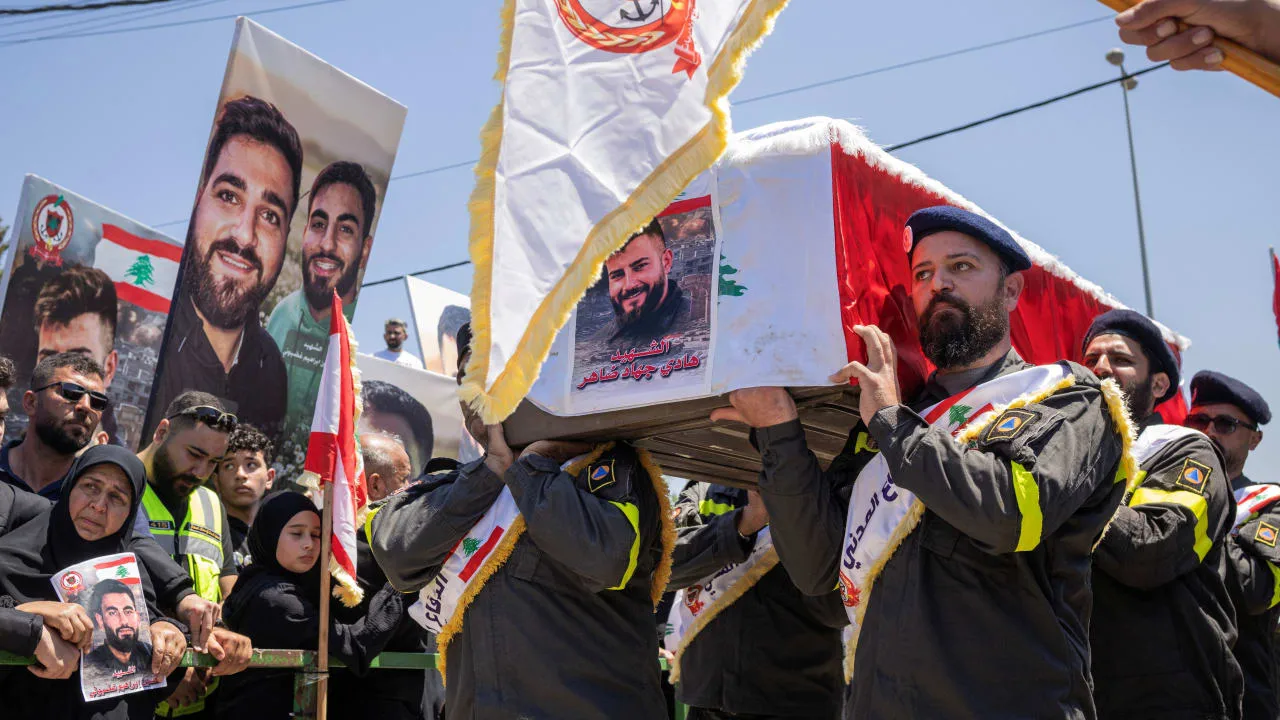
Israeli airstrikes and shelling targeted several towns in southern Lebanon on Thursday, resulting in the deaths of at least eight people and injuries to several others. Among the incidents, an Israeli air raid near a government hospital in Tebnine killed two individuals and wounded one more. This strike near a medical facility has drawn attention to the impact of the conflict on civilian infrastructure and healthcare services. Separately, a hostile drone struck a motorcycle in the southern Lebanese village of Froun, killing its driver. This drone attack adds to the growing list of cross-border incidents that have claimed civilian lives in southern Lebanon. The nature of these attacks, including both airstrikes and drone operations, indicates a broad scope of military engagement in the area.
Following these attacks, Hezbollah announced that it carried out retaliatory actions against Israeli military positions. The group stated it used rocket salvos to target sites in Rshaf and Debel, located in northern Israel. These retaliatory strikes by Hezbollah are a direct response to the Israeli military actions in southern Lebanon, demonstrating the tit-for-tat nature of the conflict. The escalation in southern Lebanon adds to the ongoing tensions in the region, with cross-border exchanges continuing between Israeli forces and Hezbollah. The strikes occurred amid heightened concerns regarding the stability of the ceasefire in the broader conflict zone, indicating a fragile security environment. The repeated cycle of attacks and counter-attacks poses a significant threat to regional stability and the safety of civilian populations on both sides of the border.
Ceasefire Context and Statistics
Gaza-based health authorities reported that Israeli attacks have killed 883 Palestinians and wounded 2,648 others since a ceasefire agreement came into effect on October 10, 2025. These figures provide a stark measure of the violence that has continued even after the formal implementation of a ceasefire. The cumulative death toll in the Gaza Strip since October 7, 2023, has reached 72,775, with 172,750 wounded, according to the same authorities. These full statistics from Gaza-based health authorities paint a grim picture of the extensive human cost of the conflict, detailing both the immediate and long-term impacts of the hostilities.
In Lebanon, the death toll from the conflict has risen to 3,089 since March 2, 2026, with an additional 9,397 people wounded. These figures reflect the significant number of casualties sustained in Lebanon due to the ongoing conflict, showing the widespread impact beyond the Gaza Strip. The cumulative statistics from both regions highlight the devastating human cost of the protracted hostilities.
A ceasefire between Israel and Lebanon initially took effect at midnight between April 16 and 17, 2026. This initial agreement was a key step towards de-escalation, aiming to halt the cross-border exchanges. Washington announced on April 23, 2026, that both Israel and Lebanon had agreed to extend this ceasefire by three weeks. This extension signaled diplomatic efforts to maintain a period of calm and prevent further escalation. Last week, Washington further stated that the two sides concurred on extending the ceasefire for another 45 days. These successive extensions, brokered by Washington, indicate ongoing international efforts to solidify and prolong the cessation of hostilities between Israel and Lebanon. Despite these diplomatic achievements, the recent strikes and retaliatory actions show the precariousness of the ceasefire and the persistent challenges in achieving lasting peace and stability in the region. The continuous need for extensions notes the deep-seated tensions that still exist, making the future of the ceasefire uncertain.