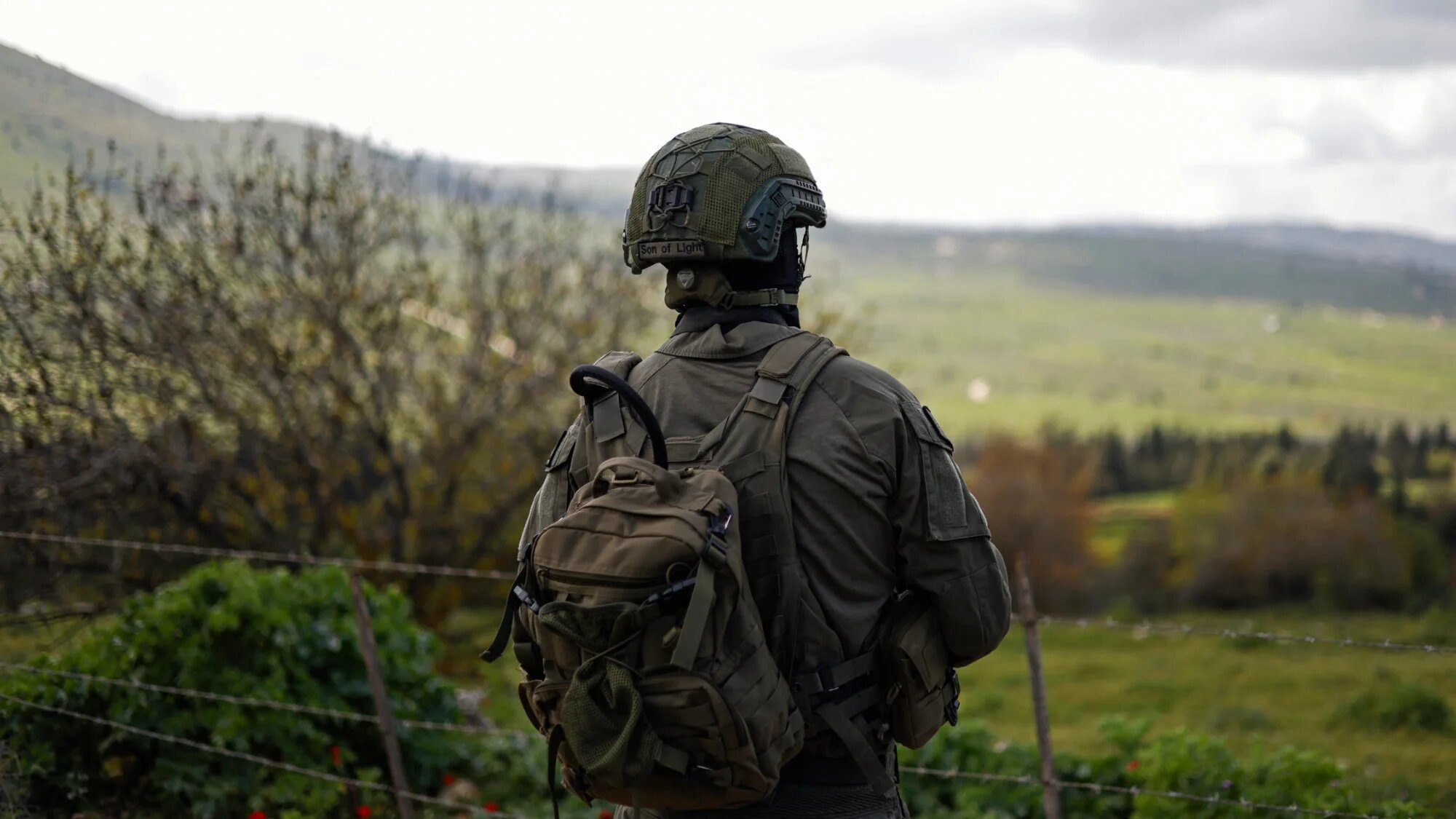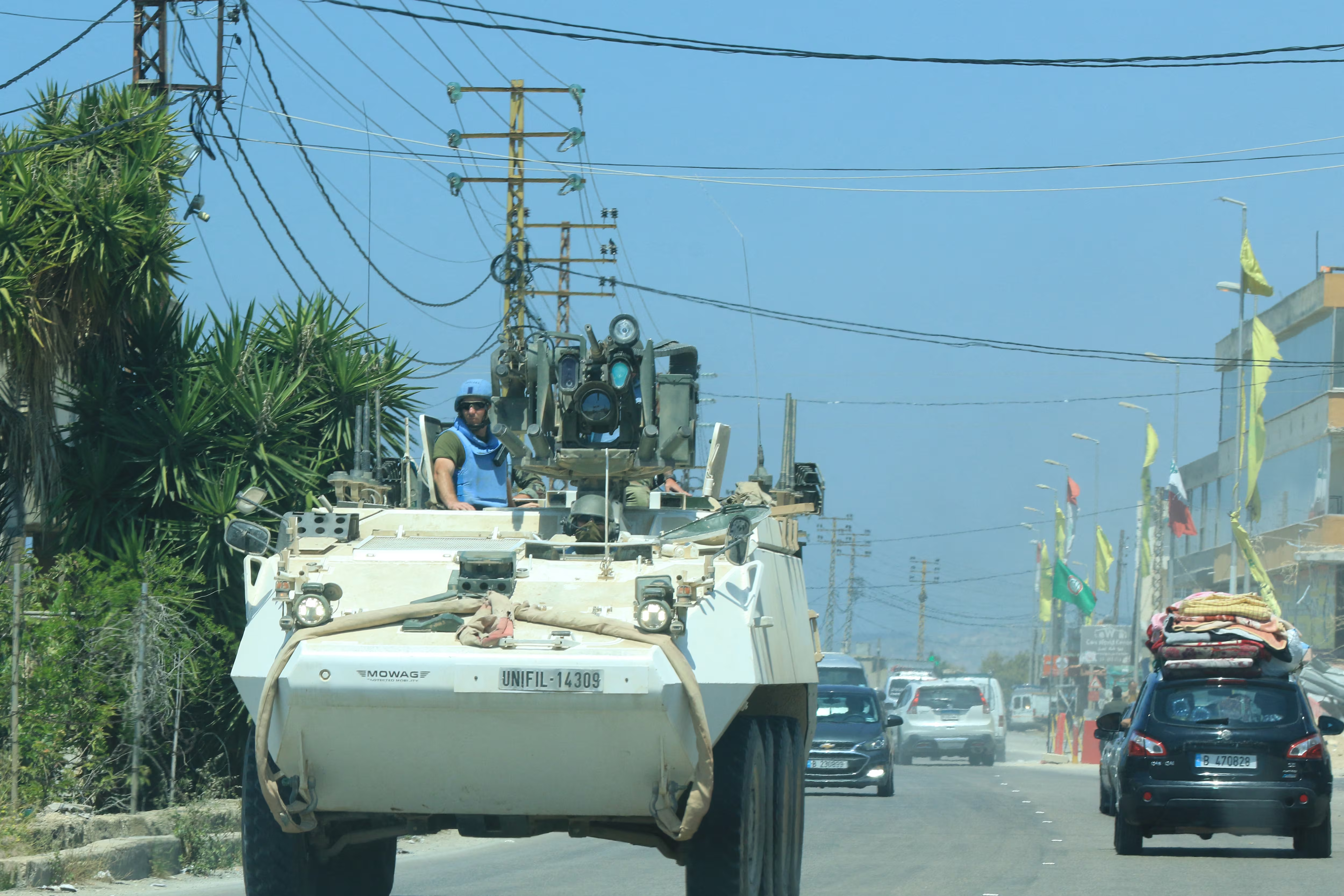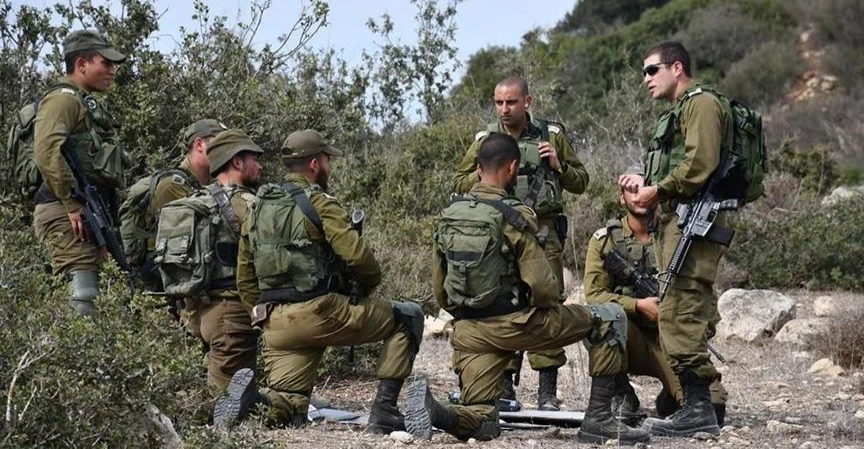
Senior Israeli military commanders have reportedly questioned the strategic purpose of maintaining ground forces in southern Lebanon, warning that troops are sustaining casualties without defined military objectives. These senior military commanders have openly voiced their concerns, stating that soldiers are being killed and wounded in operations that appear to lack clear strategic aims. The current campaign in the region began on March 2, 2026, marking a significant escalation in cross-border hostilities. The most recent fatality was confirmed on May 19, when a deputy company commander was killed during an exchange of fire with Hezbollah in the southern Lebanese village of Qawzah. This tragic incident further notes the persistent dangers faced by Israeli personnel on the ground. These concerns from within the military leadership suggest a growing debate about the efficacy and human cost of the ongoing operations in Lebanon, particularly given the reported lack of clear aims for the deployed ground units. The sustained presence of forces and recent engagements show the challenges faced by Israeli troops in the area, contributing to a sense of strategic uncertainty among the ranks.
The questioning of the mission's purpose by high-ranking military officials indicates a significant divergence of opinion within the Israeli defense establishment. These commanders are reportedly grappling with the reality that their troops are enduring severe combat conditions, including fatalities and injuries, without a clearly articulated end-state for the ground operations. This internal debate reflects broader anxieties about the long-term viability and strategic benefits of the current military posture in southern Lebanon, where forces are engaged in intense, often unyielding, engagements with Hezbollah. The continuous deployment of ground units and the recurrent clashes have become a focal point of discussion regarding the overall direction and effectiveness of Israel's military strategy in the northern theater.
Ground Operations and Destruction
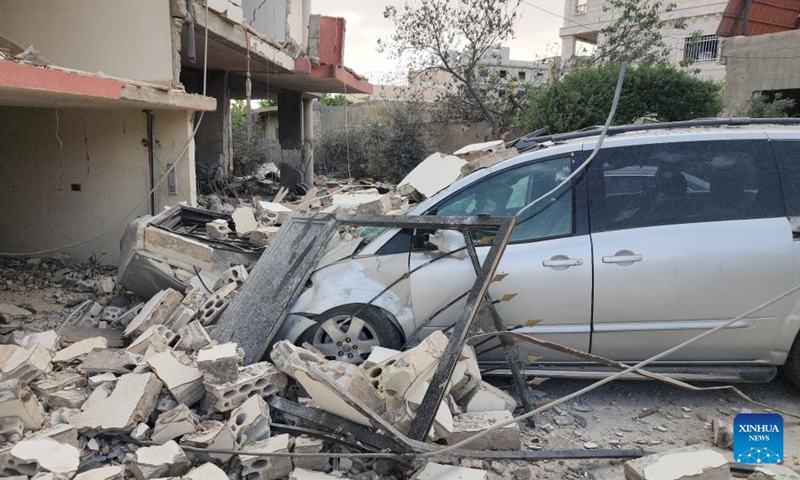
Senior field commanders have reportedly expressed concerns to Israel Hayom, stating that despite ongoing demolition of buildings in southern Lebanon, the Israel Defense Forces are not achieving desired results in the current fighting. These commanders have observed that while significant destruction is being wrought upon Lebanese villages, the tactical gains do not appear to translate into strategic advantages or a substantial reduction of the threat posed by Hezbollah. Media outlets have corroborated extensive destruction in the region, providing visual and anecdotal evidence of the scale of the demolition efforts. NBC News and The Washington Post reported that entire neighborhoods have been leveled since April 16, painting a stark picture of the devastation. The mayor of Bint Jbeil, a prominent town in southern Lebanon, confirmed that approximately 1,500 residential buildings in his district alone have been completely demolished, displacing thousands of civilians and fundamentally altering the landscape of the border region.
Defense Minister Israel Katz previously instructed the army to raze the first line of Lebanese border villages. This directive aimed to eliminate threats from anti-tank positions and potential infiltrations, thereby creating a buffer zone and denying Hezbollah strategic advantages close to the Israeli border. The implementation of this order has led to widespread demolition, but the effectiveness of this tactic in achieving its stated goals is now being questioned by military leaders on the ground. The ongoing operations are supported by a substantial military presence, reflecting the significant commitment of resources to the northern front. Approximately 90,000 reservists are currently serving in the Israeli army, a figure more than double the number originally planned for 2026. This large-scale mobilization shows the intensity and perceived importance of the conflict, yet the concerns raised by commanders suggest that even with such a substantial force, clear objectives remain elusive and results are not consistently being achieved. The extensive destruction, while fulfilling a tactical directive, has not, in the eyes of some commanders, yielded the anticipated strategic benefits in the broader conflict.
Casualties and Hezbollah Attacks
On Wednesday, the Israeli army confirmed that an explosive drone wounded four soldiers in southern Lebanon, with one sustaining severe injuries. The incident adds to a growing casualty count for Israeli forces operating in the region, noting the persistent and evolving nature of the threats they face. The severe injury to one soldier shows the life-altering consequences of these attacks and the immediate dangers inherent in the operational environment.
According to an AFP tally, 21 Israeli soldiers have been killed and an estimated 910 wounded in combat operations inside southern Lebanon since the campaign began on March 2. These figures show the intensity of the ongoing engagements and the significant human cost borne by the Israeli military. The high number of wounded personnel, in particular, speaks to the frequent and often debilitating nature of the clashes.
In the week of May 17-18, two soldiers and a Defense Ministry employee were killed by similar explosive devices, further illustrating the lethality of Hezbollah's weaponry. Israeli military sources indicated that at least some of these devices were immune to electronic jamming, posing a significant challenge to countermeasures and complicating efforts to protect ground troops. The repeated use of such weaponry, which appears to bypass some of Israel's advanced electronic warfare capabilities, notes the persistent threat faced by Israeli personnel and the adaptive tactics employed by Hezbollah. The effectiveness of these devices in inflicting casualties, even against a technologically superior force, is a major concern for military planners and commanders. The continuous stream of casualties, both fatal and non-fatal, contributes significantly to the internal questioning of the mission's strategic value and the ongoing debate about the efficacy of current operational approaches.
Strategic Stalemate and Ceasefire Dynamics
A senior Israeli security official reportedly stated on May 2 that Israel finds itself in a "strategic trap" in southern Lebanon. The official, speaking to Israel Hayom, indicated that a withdrawal from the region was not possible due to concerns over admitting defeat, yet advancing or taking initiative was also constrained because "Trump is stopping them." This candid assessment from a senior security official reveals the complex geopolitical pressures influencing Israel's military decisions in the region. The fear of appearing to concede victory to Hezbollah, coupled with external political interventions, has evidently created a difficult dilemma for Israeli policymakers and military leaders. This perceived strategic paralysis contributes to the frustration expressed by field commanders who feel their troops are operating without clear, achievable objectives.
A ceasefire, facilitated by Washington, became effective at midnight between April 16 and 17, aiming to de-escalate the intense fighting. However, the period leading up to and following this ceasefire has been marked by renewed concerns. Hezbollah reportedly utilized the post-November 2024 ceasefire period following Operation Northern Arrows to rearm at a pace the Israeli army is said to have failed to fully comprehend. This intelligence oversight, if true, suggests a significant miscalculation by Israeli military intelligence regarding Hezbollah's capabilities and intentions during periods of truce, potentially allowing the militant group to strengthen its position.
The initial ceasefire was subsequently extended twice, reflecting ongoing diplomatic efforts to maintain a fragile peace. The first extension occurred on April 23, prolonging the truce by three weeks. A further extension of 45 days was then agreed upon on May 15, indicating a continued reliance on diplomatic solutions to manage the conflict. The Israeli Security Cabinet last formally reviewed the southern Lebanon mission on April 15, 2026, just before the first ceasefire took effect. During this critical review, the cabinet authorized Israeli envoys to participate in US-hosted diplomatic talks. This mandate ultimately produced the May 15 ceasefire extension, showing the role of international mediation in shaping the conflict's trajectory. However, the effectiveness of these ceasefires in achieving lasting stability or preventing Hezbollah's rearmament remains a significant point of contention and concern for Israeli military and security officials, who are increasingly vocal about the strategic challenges they face on the northern front. The cycle of fighting, ceasefire, and rearmament, coupled with the internal debate among commanders, paints a picture of a protracted and complex conflict with no easy resolution in sight.