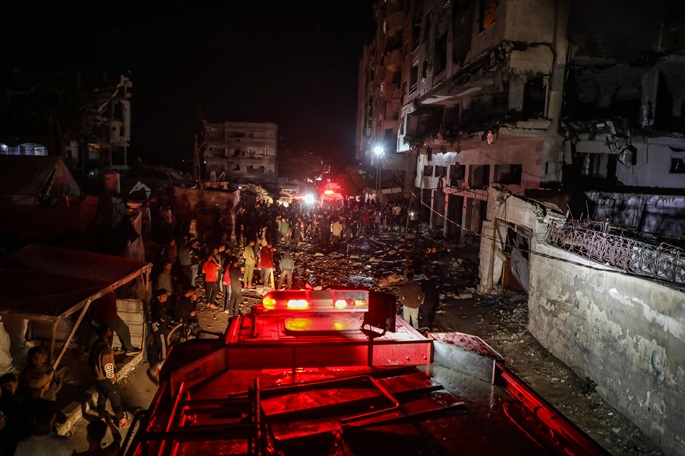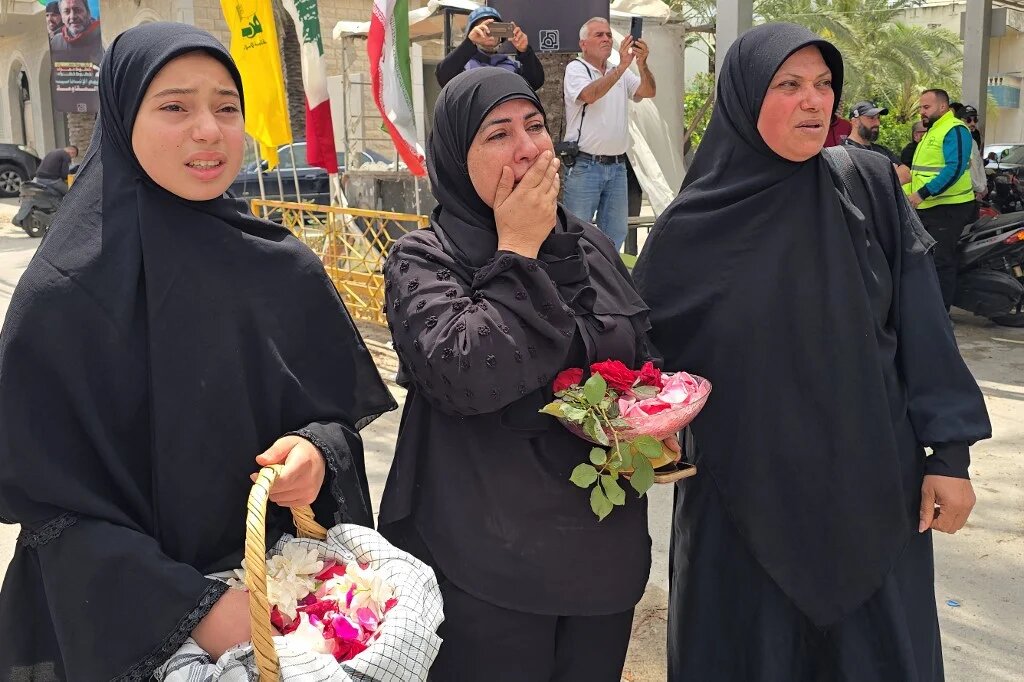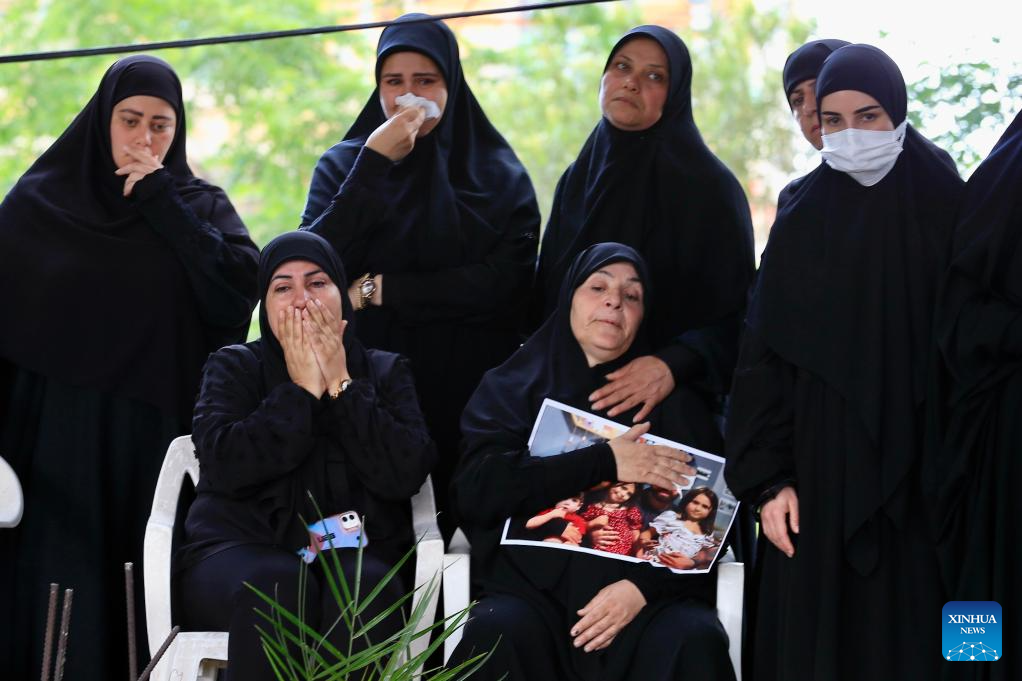
People in southern Lebanon attended the funeral of victims killed in an Israeli airstrike in Deir Qanoun En Nahr, a somber event that noted the ongoing human cost of the escalating conflict. Mourners gathered in significant numbers to pay their respects to those who died in the incident, reflecting a community united in grief and resilience. The solemn procession and burial rites took place under a pall of sorrow, drawing attention to the profound impact of the hostilities on civilian lives. A photograph taken on May 21, 2026, captured the poignant scene as the community mourned its losses, with families and neighbors coming together to bid farewell to the departed. The collective mourning showed the deep sense of loss pervading the region.
Escalating Conflict Toll
The latest round of fighting between the two sides began on March 2, 2026, marking a period of intense and sustained military engagement. This ongoing conflict has resulted in a significant and increasing number of casualties, both fatal and non-fatal, across the affected areas. Lebanon's Health Ministry reported that 9,397 individuals have been wounded since the hostilities commenced, indicating the widespread physical harm inflicted upon the population. The ministry has been diligently tracking the impact of the clashes across the country, providing key updates on the humanitarian situation. These figures paint a stark picture of the daily toll exacted by the violence, affecting countless families and placing immense strain on the nation's healthcare infrastructure. The continuous flow of casualties notes the urgent need for de-escalation and a cessation of hostilities to prevent further suffering.
Southern Lebanon Under Fire
Southern Lebanon has experienced a significant increase in military activity following the commencement of hostilities on March 2, 2026. The region, particularly areas like Deir Qanoun En Nahr, has been severely affected by the ongoing conflict, bearing the brunt of the intensified exchanges. Israeli airstrikes have been reported across numerous southern Lebanese towns and villages, leading to civilian casualties and widespread displacement. Local authorities have been working tirelessly to assess the damage and provide immediate assistance to those impacted by the escalations, grappling with the logistical challenges of a crisis situation. The intensified exchanges have raised profound concerns among residents and international observers regarding the humanitarian situation in the border areas, where access to essential services is often disrupted. Infrastructure has sustained considerable damage in several locations, including residential buildings, public facilities, and agricultural land. Agricultural activities, a cornerstone of the local economy, have been severely disrupted, threatening livelihoods and food security for many communities. The sustained military operations continue to pose a grave threat to the stability and safety of communities throughout southern Lebanon, creating an environment of constant fear and uncertainty.
Broader Humanitarian Impact
Lebanon's Health Ministry reported that the cumulative death toll from the ongoing conflict, which began on March 2, 2026, has reached 3,089. This grim figure includes both combatants and civilians killed across the country since hostilities commenced, showing the indiscriminate nature of the violence. The ministry continues to monitor the impact of the clashes with careful detail, providing regular updates on the human cost of the violence. The rising number of fatalities shows the severe humanitarian consequences of the protracted conflict, which has left an indelible mark on the nation. Local and international organizations have expressed increasing concern over the civilian casualties and the overall strain on the nation's healthcare system, which is struggling to cope with the influx of wounded and the long-term needs of survivors. The sustained military operations have led to significant challenges for communities attempting to cope with the widespread loss of life, displacement, and the psychological trauma inflicted by the continuous cycle of violence. The cumulative impact extends beyond immediate casualties, affecting social cohesion, economic stability, and the overall well-being of the population.