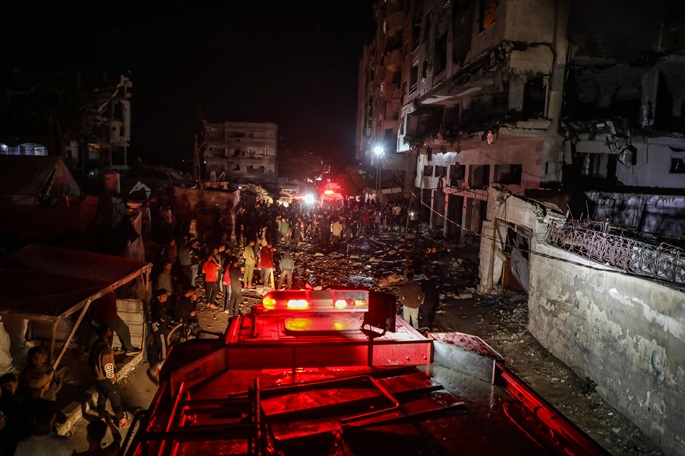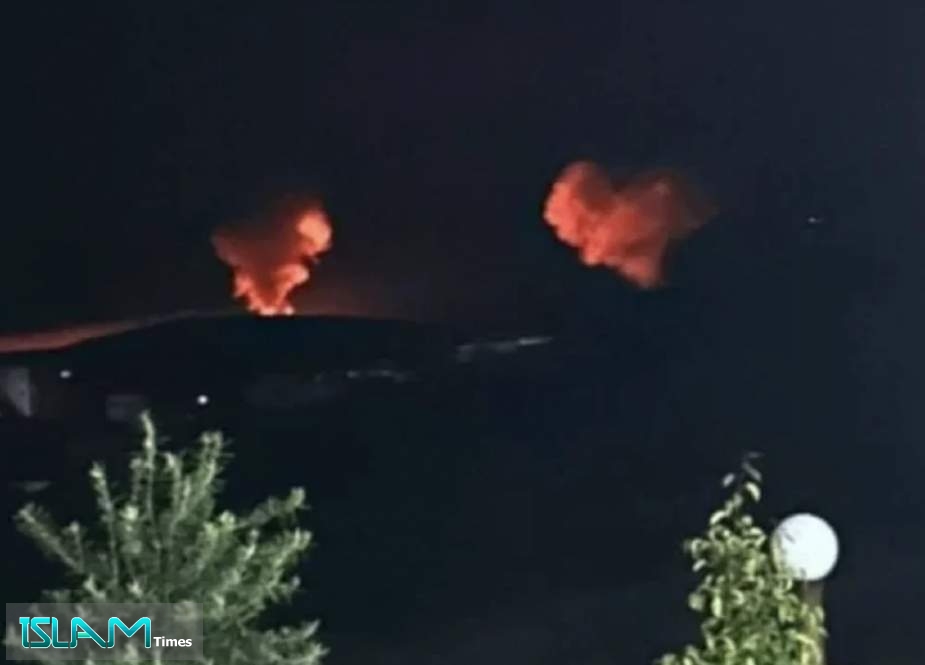
Israeli warplanes conducted six airstrikes targeting the outskirts of Brital in Lebanon's Bekaa Valley shortly after midnight between Friday and Saturday, completing the attacks within less than 10 minutes. This swift series of aerial bombardments marked a significant escalation. Concurrently, Israeli artillery shelling struck the town of al-Haniyah in the Tyre district, a region frequently impacted by cross-border hostilities. Shelling also impacted al-Ghandouriyah and the outskirts of Hadatha in the Bint Jbeil district, further intensifying military actions across southern Lebanon and noting the widespread nature of the recent operations.
Recent Attacks Detailed
Beyond the initial strikes, Israeli warplanes launched further attacks across various locations. These included strikes on the towns of Srifa in the Tyre district, Barashit and Haris in the Bint Jbeil district. Raids were also launched on Tibnin and Kfar, indicating a broad scope of aerial operations. These aerial operations followed earlier Israeli military actions, which had already seen significant activity in the Bekaa Valley and southern Lebanon. The initial wave of attacks, as previously noted, involved Israeli warplanes conducting six airstrikes targeting the outskirts of Brital in Lebanon's Bekaa Valley shortly after midnight between Friday and Saturday, completing the attacks within less than 10 minutes. Simultaneously, Israeli artillery shelling targeted the town of al-Haniyah in the Tyre district, along with al-Ghandouriyah and the outskirts of Hadatha in the Bint Jbeil district. The intensity and geographical spread of these military actions indicate an ongoing escalation across southern Lebanon. The repeated targeting of multiple districts shows a continued pattern of military engagement by Israeli forces.
Escalating Violence and Toll
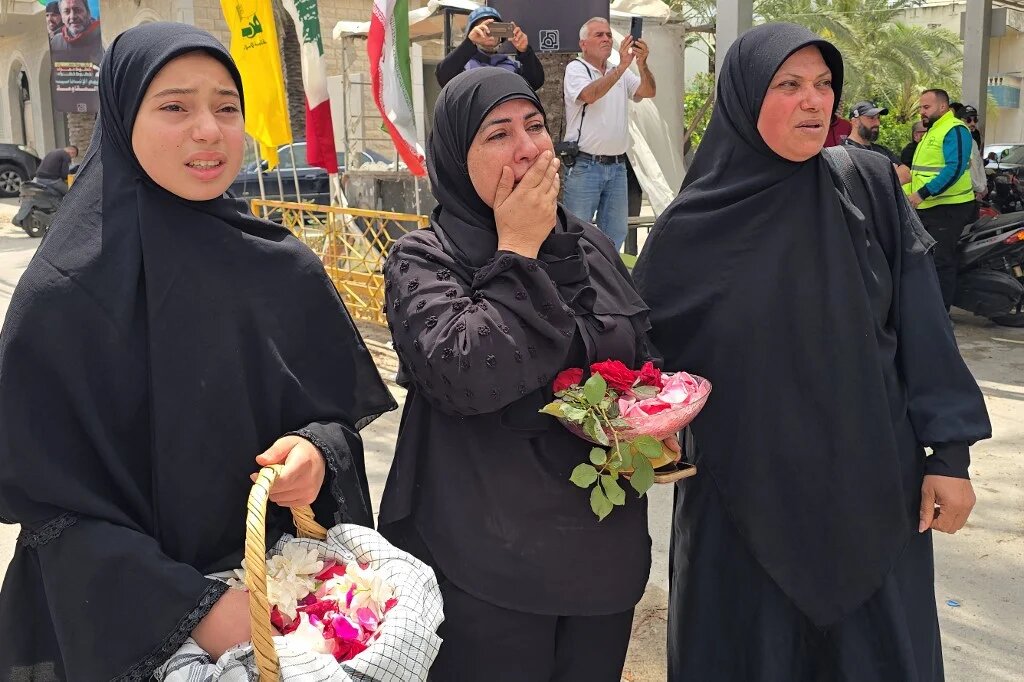
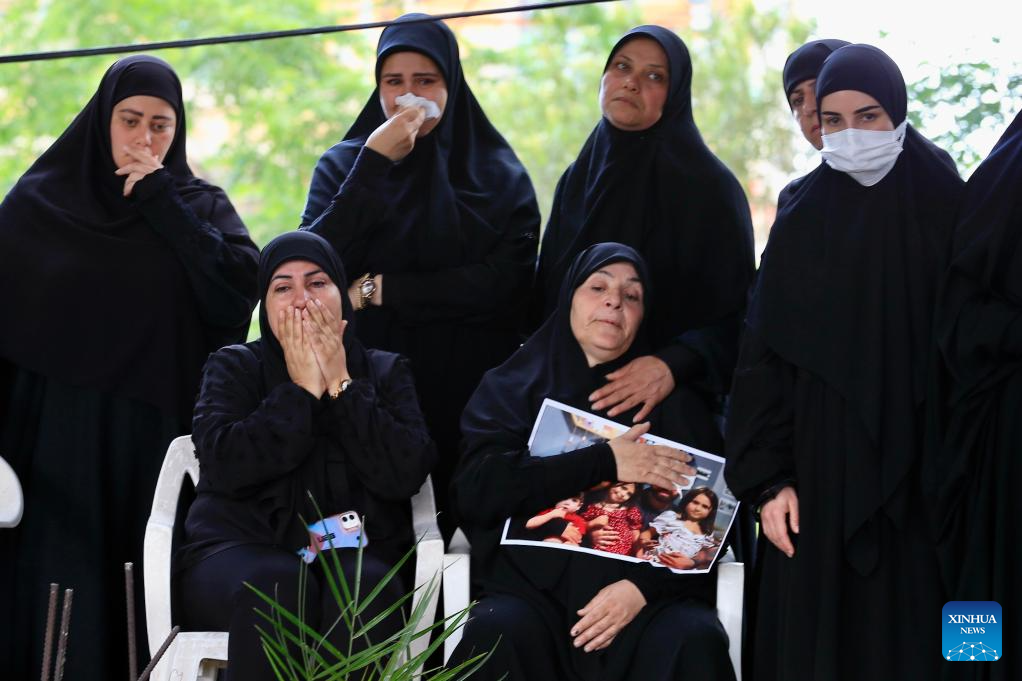
The Israeli occupation was reported to have committed a massacre on Tuesday in the southern Lebanese town of Deir Qanoun al-Nahr after deliberately targeting a residential building. This incident, involving the direct targeting of civilian infrastructure, has drawn significant concern. The al-Risala Ambulance Association documented an Israeli attack on its paramedics in Deir Qanoun al-Nahr, stating that several paramedics were killed and others injured in the incident. The targeting of emergency responders further exacerbates the humanitarian impact of the ongoing conflict. Lebanon’s Ministry of Public Health announced that the cumulative toll from Israeli aggression since March 2 has reached 3,073 martyrs and 9,362 wounded. These figures reflect the ongoing impact of military operations in the region, with casualties continuing to mount among both civilians and emergency personnel. The significant number of wounded individuals also places immense strain on local healthcare services.
Resistance Response and Context
The Israeli occupation continues to violate the ceasefire agreement, with repeated attacks targeting civilian residential areas and villages, according to reports from Al Mayadeen. Al Mayadeen reports that these actions represent an ongoing breach of the truce, contributing to the instability in the border region. The persistent targeting of populated areas raises concerns about the protection of civilians in the conflict zone. In response to these incursions, the Islamic Resistance in Lebanon continues to confront these actions and respond to Israeli aggression. This resistance activity is framed by Al Mayadeen as a direct counter to the persistent Israeli military operations across southern Lebanon, indicating a cycle of action and reaction that contributes to the ongoing hostilities. The continued exchange of fire and military operations suggests a volatile situation with no immediate signs of de-escalation.