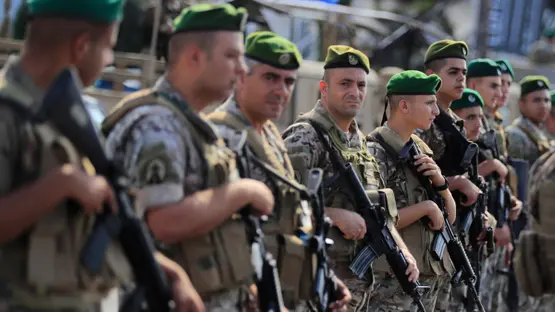
Lebanon's military affirmed its soldiers' loyalty to the institution following Thursday's announcement of US sanctions targeting Lebanese officers. The United States for the first time sanctioned an army officer, accusing them of sharing information with Hezbollah. This development marks the initial instance of Lebanese officers facing sanctions from Washington. Hezbollah condemned the US action, stating it was "an attempt to intimidate the free Lebanese people in order to bolster the Zionist aggression against our country."
US Sanctions Target Officers
Washington sanctioned nine individuals in Lebanon for their alleged links to Hezbollah. Among those targeted by the US Treasury Department are Lebanese Army Colonel Samir Hamadi and Khattar Nasser Eldin, an officer at another state security service. The United States stated that Hamadi and Nasser Eldin "shared important intelligence" with Hezbollah over the past year. Hezbollah condemned the US action, describing it as "an attempt to intimidate the free Lebanese people in order to bolster the Zionist aggression against our country."
Army's Stance on Loyalty
The Lebanese Army stated it was not informed of the sanctions targeting its officers beforehand, according to a statement released by the institution. The army's declaration emphasized its commitment to the nation and its institutions, reiterating that its loyalty remains solely to Lebanon. This assertion follows the US Treasury Department's announcement of sanctions against Colonel Samir Hamadi and Khattar Nasser Eldin, an officer from another state security service, for their alleged ties to Hezbollah. The army's statement noted that it maintains strict adherence to its national duties and responsibilities, serving all Lebanese citizens without discrimination. It also reaffirmed its dedication to upholding national security and stability in the country amidst ongoing regional complexities.
Hezbollah Condemns Action
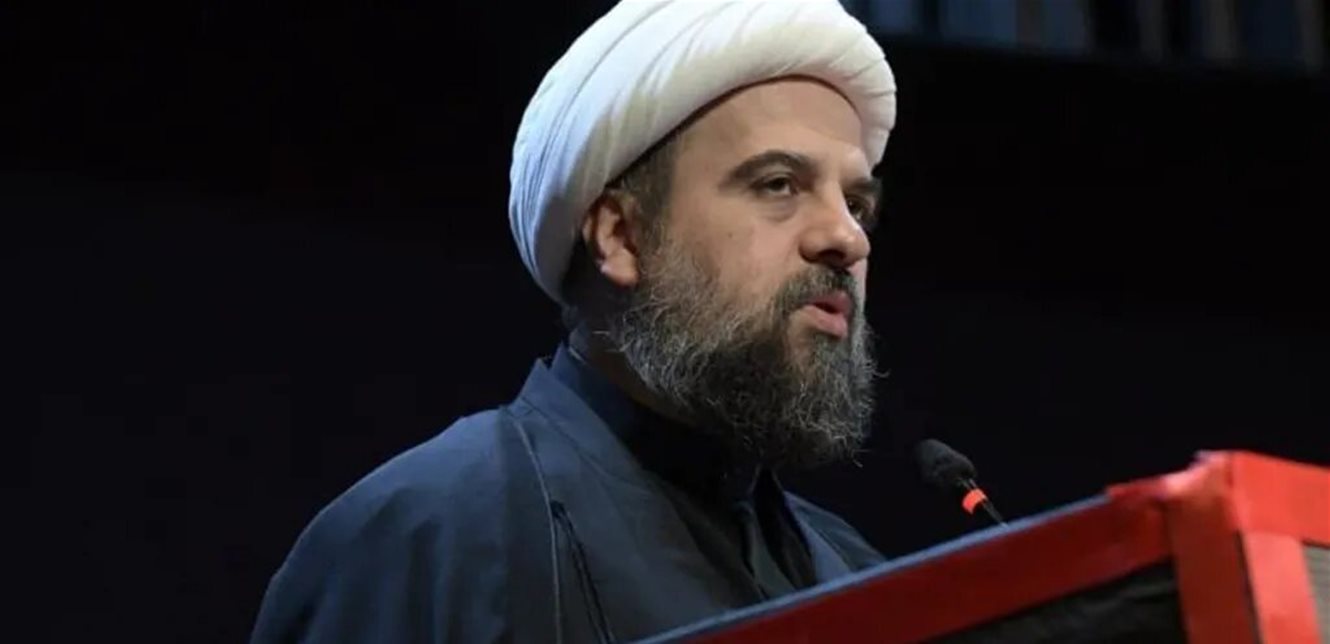
Hezbollah condemned the sanctions on Thursday, characterizing the US action as an effort to undermine Lebanese sovereignty. The group stated that the measures were "an attempt to intimidate the free Lebanese people in order to bolster the Zionist aggression against our country." This condemnation follows the US Treasury Department's decision to sanction nine individuals in Lebanon, including Lebanese Army Colonel Samir Hamadi and Khattar Nasser Eldin from another state security service. Washington accused Hamadi and Nasser Eldin of sharing important intelligence with Hezbollah over the past year. Hezbollah's statement emphasized its view that the sanctions aim to influence internal Lebanese affairs and support external agendas.
Broader Context and Implications
The United States' decision to sanction Lebanese Army Colonel Samir Hamadi and Khattar Nasser Eldin, an officer at another state security service, represents a notable expansion of Washington's efforts to curb Hezbollah's influence. The sanctions mark the first time US measures have directly targeted active Lebanese military officers. This development places additional pressure on Lebanon's institutions, particularly the army, which has long been a recipient of US military aid. The action follows accusations that Hamadi and Nasser Eldin shared important intelligence with Hezbollah over the past year. The broader implications include potential shifts in the relationship between the United States and Lebanon's security apparatus.