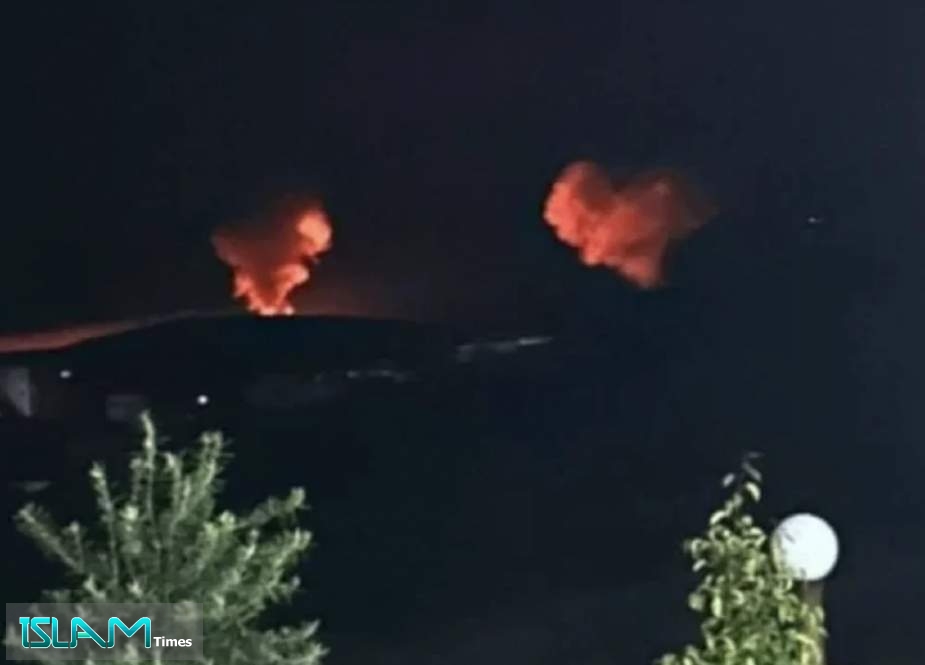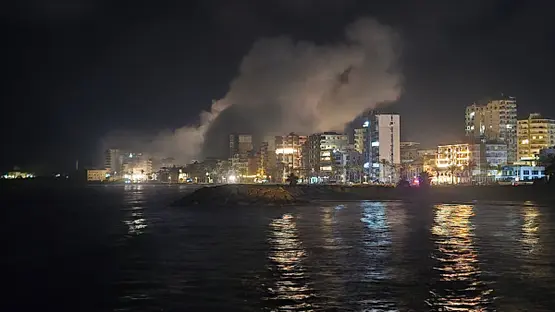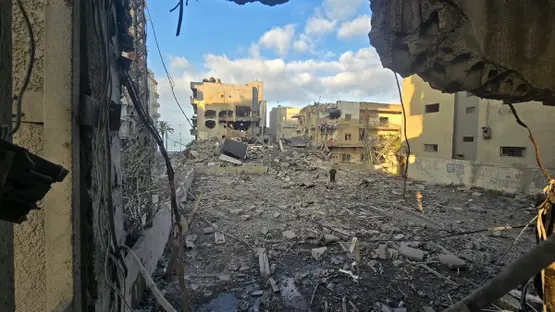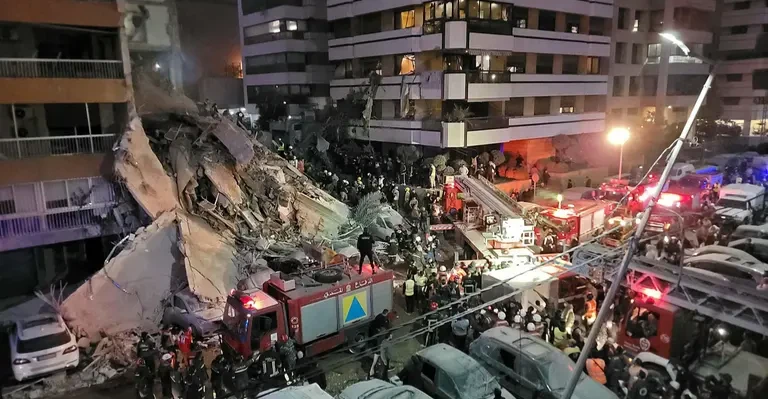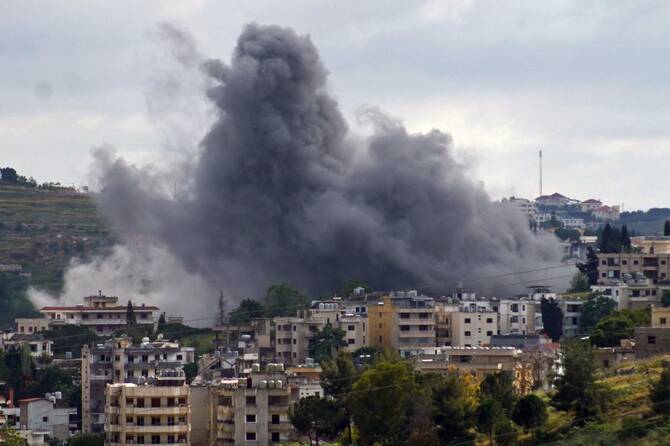
Lebanon’s civil defense agency reported its regional facility in the southern city of Nabatieh was destroyed by an Israeli strike on May 22, 2026. The agency stated the facility in the Nabatieh village suffered a "direct hit in a hostile Israeli strike." This incident involved "this attack on a center dedicated to humanitarian and relief work," according to a statement from Lebanon’s civil defense agency. The agency explicitly stated that its regional facility, situated in the southern Lebanese city of Nabatieh, had been completely destroyed by the Israeli aerial assault. The strike specifically targeted the Nabatieh village, a key location within the southern region of Lebanon, on the aforementioned date. This event marks a significant escalation, impacting infrastructure vital for civilian protection and assistance.
Damage and Safety Assurances
The civil defense agency in Lebanon reported the facility's building had collapsed from a "direct hit in a hostile Israeli strike." A significant number of vehicles and equipment were also damaged in the incident, according to the agency. The destruction of the building, coupled with the extensive damage to essential vehicles and equipment, severely compromises the agency's operational capacity in the region. This strike was claimed to be in retaliation for the death of Iran’s supreme leader. The supreme leader reportedly died in US-Israeli strikes, setting the context for the perceived reprisal. The agency's statement showed the severity of the impact, detailing how the structure itself had crumpled under the force of the "hostile Israeli strike," leaving behind a scene of considerable devastation. The loss of such critical assets represents a major setback for humanitarian efforts in the area.
Broader Conflict Context
Israeli strikes in Lebanon have persisted even after a truce came into effect on April 17. Israel has stated its operations are targeting Iran-backed Hezbollah. Hezbollah, for its part, launched rockets at Israel on March 2. These ongoing exchanges contribute to a wider regional conflict impacting both Lebanese and Israeli territories. The continued military activity suggests a complex and volatile situation despite attempts at de-escalation. The Israeli government maintains that its actions are aimed at neutralizing threats posed by Hezbollah, which it designates as a terrorist organization. Despite the implementation of a truce on April 17, military engagements and Israeli strikes within Lebanese territory have regrettably continued, indicating a fragile and often breached cessation of hostilities. The initial launch of rockets by Hezbollah on March 2 against Israeli targets further illustrates the tit-for-tat nature of the conflict that has consistently undermined stability in the border regions.
Humanitarian Impact and Warnings
No casualties were reported among the civil defense personnel involved in the Nabatieh incident, as they had been relocated to another facility prior to the strike. This information comes from the civil defense agency. There were thankfully no reports of casualties among its personnel, a direct result of their proactive relocation to an alternative site before the incident occurred. However, the broader context of ongoing hostilities has led to significant losses among emergency responders. Since March 2, Lebanon's health ministry has documented the deaths of 123 rescuers and health workers due to Israeli strikes. The continued attacks highlight the dangers faced by humanitarian and medical personnel operating in the region. The destruction of the Nabatieh facility, which was dedicated to humanitarian and relief work, shows the challenges in providing aid and emergency services amidst the conflict. The cumulative toll on emergency services personnel is alarming, with Lebanon’s health ministry having officially recorded the deaths of 123 rescuers and health workers in Israeli strikes since March 2. This grim statistic paints a stark picture of the perilous environment in which these essential workers operate, often at great personal risk, to provide aid and save lives. The targeting and destruction of facilities like the one in Nabatieh not only cripple immediate response capabilities but also send a chilling message about the safety of humanitarian operations in the conflict zone.