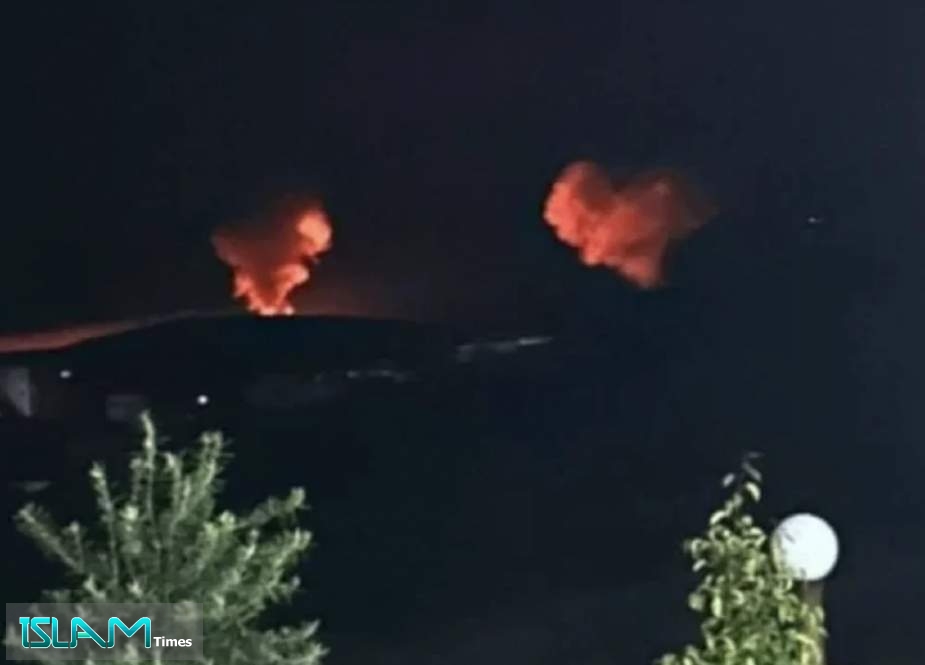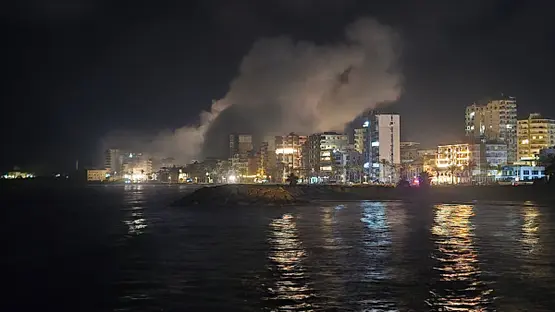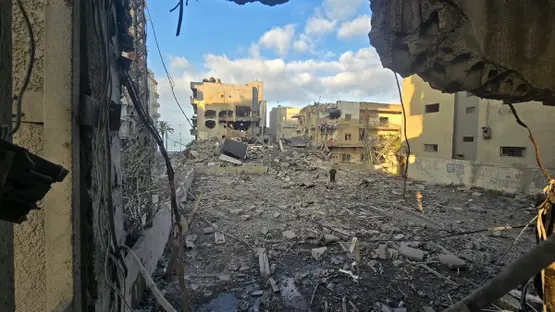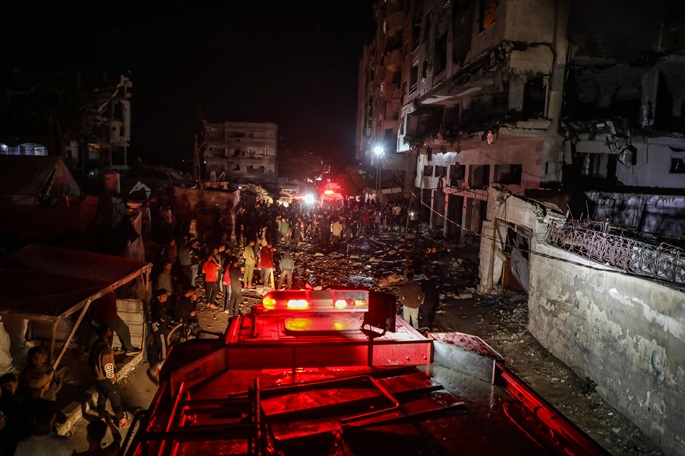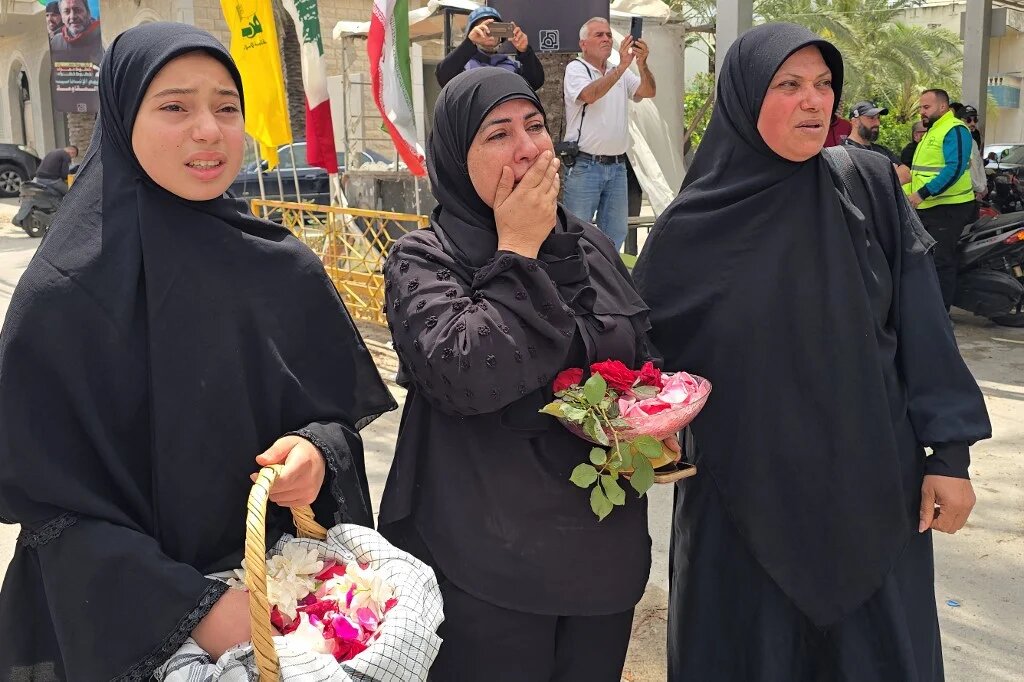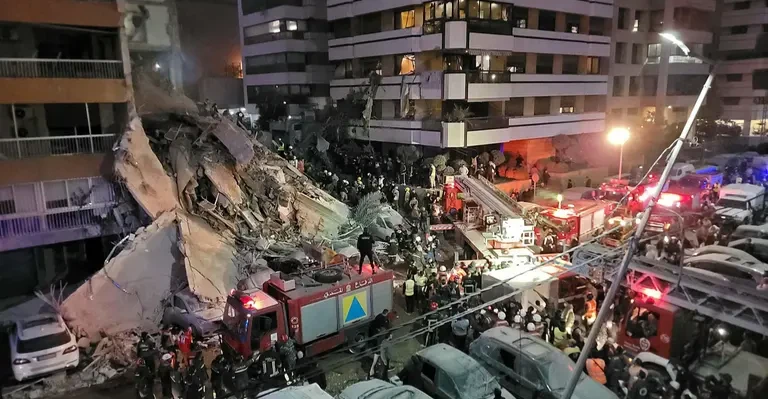
Two Israeli air strikes struck the southern Lebanese city of Tyre, causing significant damage to Hiram Hospital. The facility's operating rooms were among the areas seriously impacted by the bombardments. These strikes destroyed two buildings, according to initial reports. As of the time of publication, no casualties have been reported following the strikes. The attacks show the escalating tensions and the direct impact on civilian infrastructure in southern Lebanon.
Wider Escalation in Lebanon
Israeli forces carried out a strike on the town of Yohmor al-Shaqif as part of ongoing military operations in the region. This incident notes the continued military engagement across the border. Separately, Israeli forces conducted a demolition in the town of Taybeh, further contributing to the regional activity and indicating a broader pattern of operations. These actions come amid increased cross-border incidents that have marked the recent period of hostilities.
Hezbollah, a Lebanese political party and militant group, launched an armed drone that struck the vicinity of an Israeli position at Ras al-Naqoura, indicating continued engagement from the Lebanese side. This type of cross-border activity has become a frequent occurrence. The Israeli military, for its part, was investigating the fall of a drone near Kiryat Shmona in the Upper Galilee, signifying potential incursions into Israeli territory and raising concerns about aerial threats. These developments point to a broader pattern of escalation along the Lebanon-Israel border, with both sides engaging in military actions. The increased frequency and intensity of these incidents reflect a volatile security situation.
Previous Hospital Attack
A day earlier, a strike near Tebnine Governmental Hospital in Bint Jbeil district resulted in injuries to nine people. Seven of those injured were hospital employees, five of whom were women, noting the risk faced by medical personnel. The attack caused extensive damage to several critical areas within the facility. These included the emergency department, intensive care unit, chemotherapy unit, and operating rooms, severely compromising the hospital's ability to provide essential services. Additionally, the hospital's ambulances, which are vital for patient transport, electrical systems, key for power supply, and staff housing, essential for personnel, sustained significant damage. This incident marks a concerning pattern of damage to medical facilities in the region, raising alarms about the protection of healthcare infrastructure during conflict.
Impact on Healthcare System
Friday's attacks resulted in the deaths of six paramedics, according to the Lebanese Health Ministry, showing the severe risks faced by frontline medical workers. Since March 2, Israeli attacks have killed 116 healthcare workers and injured 263 others across Lebanon, the ministry reported, painting a grim picture of the human cost on the medical community. The ministry further stated that strikes have affected 147 healthcare facilities during the same period, including 16 hospitals and 31 healthcare centers. This widespread damage to medical infrastructure severely hampers the country's ability to provide critical care. These incidents contribute to a broader and devastating impact on the country's medical infrastructure, challenging its capacity to respond to humanitarian needs. The Lebanese Health Ministry's overall toll since March 2 indicates 3,111 individuals killed and 9,432 wounded across Lebanon, reflecting the extensive human toll of the ongoing hostilities. This data reflects a significant strain on the healthcare system and its personnel amidst ongoing hostilities, with facilities struggling to cope with the influx of casualties and the damage to their own operations.
Hospital Administration Statement
The Israeli air strikes destroyed two buildings, according to hospital officials at Hiram Hospital. The hospital's administration told Al-Araby television on Saturday that "patients were affected by the strike, which hit the hospital's immediate vicinity." This proximity of the strike to patient areas raises serious concerns about patient safety and the operational integrity of the medical facility. The drone strike caused no casualties, the administration further reported, despite the significant structural damage. Hospital officials continue to assess the full extent of the damage and the implications for patient care in the southern Lebanese city of Tyre.