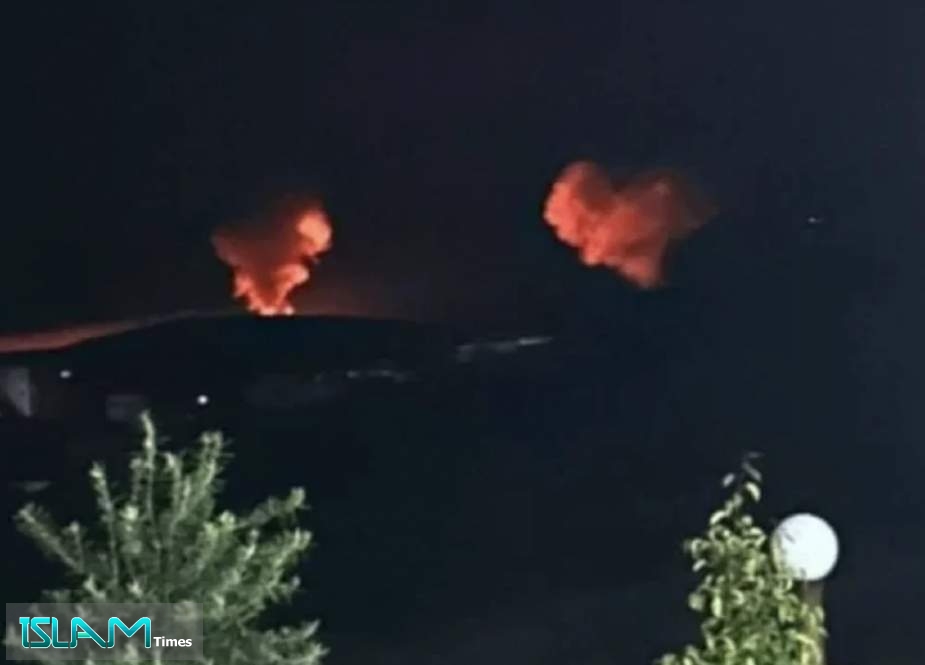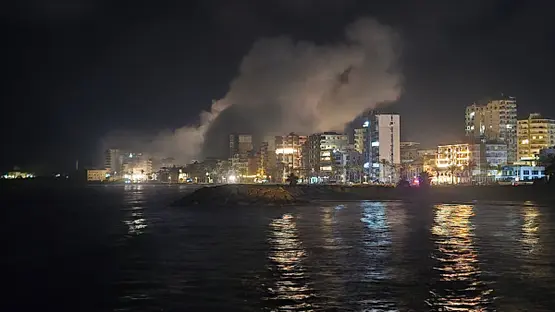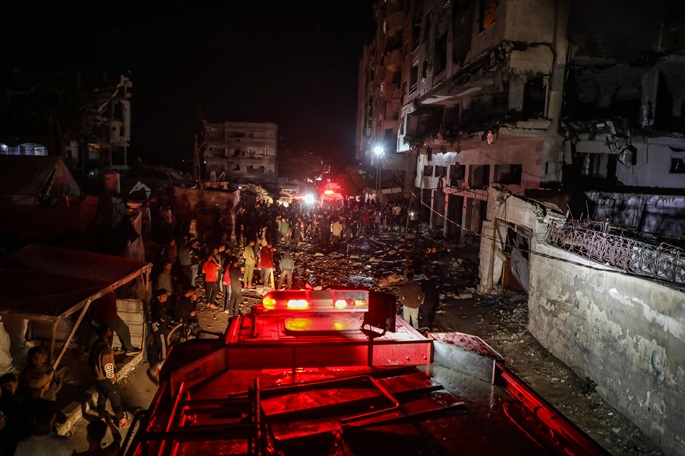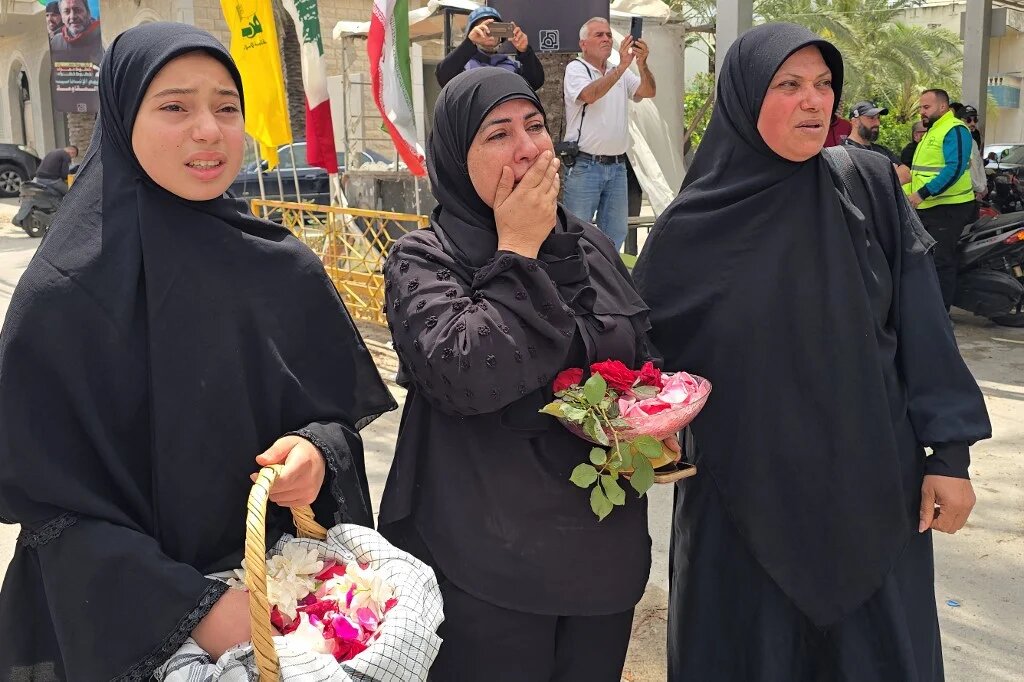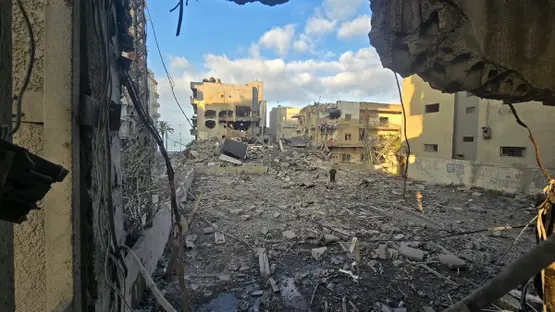
Israel issued immediate evacuation warnings to residents across 10 villages in southern Lebanon. The alerts, delivered on May 23, 2026, preceded anticipated military strikes in the region. The Israeli military's actions indicate a heightened state of tension along the border, signaling a potential for significant military engagement. These warnings mark a significant escalation, aiming to clear civilian populations from areas targeted for operations. The issuance of these warnings shows the gravity of the situation and the Israeli military's intent to conduct operations in these specific localities. The article detailing these events was published and updated on the same date, May 23, 2026, reflecting the immediate nature of the developments.
Evacuation Orders Detailed
Residents in the affected areas have been instructed to relocate a minimum distance of 1,000 meters from their villages and towns. This specific directive aims to create a safety buffer between civilian populations and the anticipated zones of military activity. They are advised to move into open areas, according to the directives issued by the Israeli military. This instruction suggests that built-up areas within or near the villages may be considered targets or face collateral damage during the planned operations. The Israeli military has not specified a timeline for the duration of the evacuations or the anticipated duration of military operations, leaving residents uncertain about when they might be able to return to their homes. These instructions aim to minimize civilian casualties ahead of potential military actions, reflecting a stated intent to protect non-combatants despite the planned offensive. The IDF's orders were issued to multiple communities situated near the border with Israel, indicating a broad scope for the impending military actions. The clarity of these instructions is key for the safety of the civilian population in southern Lebanon.
IDF Justifies Military Action
The Israel Defense Forces (IDF) stated that the planned air strikes are specifically targeting alleged Hezbollah installations. This claim forms the core justification for the military's aggressive posture and the pre-emptive evacuation orders. The IDF has consistently asserted its right to self-defense against what it describes as threats emanating from Lebanese territory, framing these operations as necessary responses to ongoing security concerns. Military officials indicated these operations are intended to disrupt and dismantle the capabilities of the group, which the IDF views as a significant security threat along its northern border. The Israeli military has previously engaged in operations against Hezbollah, citing the need to prevent cross-border attacks and protect Israeli communities from perceived aggression. These forthcoming strikes follow a pattern of responses to perceived security challenges along the northern border, where tensions have frequently flared. The IDF maintains that its actions are directed solely at military targets associated with Hezbollah and are designed to avoid civilian harm as much as possible, hence the evacuation warnings issued to residents in southern Lebanon. The military has not provided further details regarding the specific nature or location of these alleged targets, but the general area of southern Lebanon has been identified.
Spokesman's Statement
The Israel Defense Forces (IDF) asserted that Hezbollah had violated the existing ceasefire agreement. This accusation forms a critical part of the justification for the anticipated strikes in southern Lebanon, portraying the Israeli actions as a direct response to a breach of established protocols. The IDF claimed that Hezbollah's actions necessitated a military response to restore security along the border, indicating that the ceasefire violation was significant enough to warrant offensive operations. This statement from the IDF comes amid heightened tensions and follows the issuance of evacuation orders to residents in 10 Lebanese villages, directly linking the military's rationale to the immediate actions being taken. The military's position suggests that the planned operations are a direct consequence of perceived provocations by Hezbollah, which the IDF views as undermining regional stability. The IDF's previous statements have consistently linked their actions to efforts to neutralize threats originating from Lebanese territory, reinforcing a narrative of defensive necessity in the face of perceived aggression.