Hezbollah's persistent and escalating use of explosive drones has compelled the Israel Defense Forces (IDF) to significantly alter their operational tactics, inflicting notable casualties on Israeli troops. These unmanned aerial vehicles have become a critical factor in the ongoing conflict, forcing adjustments in military procedures and impacting the pace of ground operations. On Sunday, the severity of this threat was tragically showed when an explosive drone strike killed Sgt. Nehoray Leizer, 19, from Eilat. Sgt. Leizer, a dedicated soldier in the 601st Combat Engineering Battalion of the 401st Brigade, was killed by the direct impact of the drone. The incident not only notes the immediate danger posed by these weapons but also emphasizes their growing impact on ground operations in the region. Hezbollah's explosive drones have taken a heavy toll on Israeli forces, necessitating these changes in how IDF troops operate in the northern sector.
Drone Threat Forces Tactical Shifts
Hezbollah is strategically launching drones with the explicit objective of delaying Israel Defense Forces (IDF) activity and hindering the demolition of villages near the border. This evolving strategy has prompted contractors involved in these operations to conduct most work at night, a direct and necessary response to the persistent drone threat during daylight hours. Consequently, the pace of demolishing structures and clearing areas has reportedly slowed, impacting the overall timeline of operations. Hezbollah has notably shifted its tactics, moving toward more organized drone attacks that concentrate efforts on specific locations where Israeli soldiers are known to be operating, maximizing their disruptive and destructive potential. In the tragic incident where Sgt. Nehoray Leizer was killed, another soldier sustained serious wounds, further illustrating the lethality of these concentrated attacks.
Israel's Preparedness and Operations
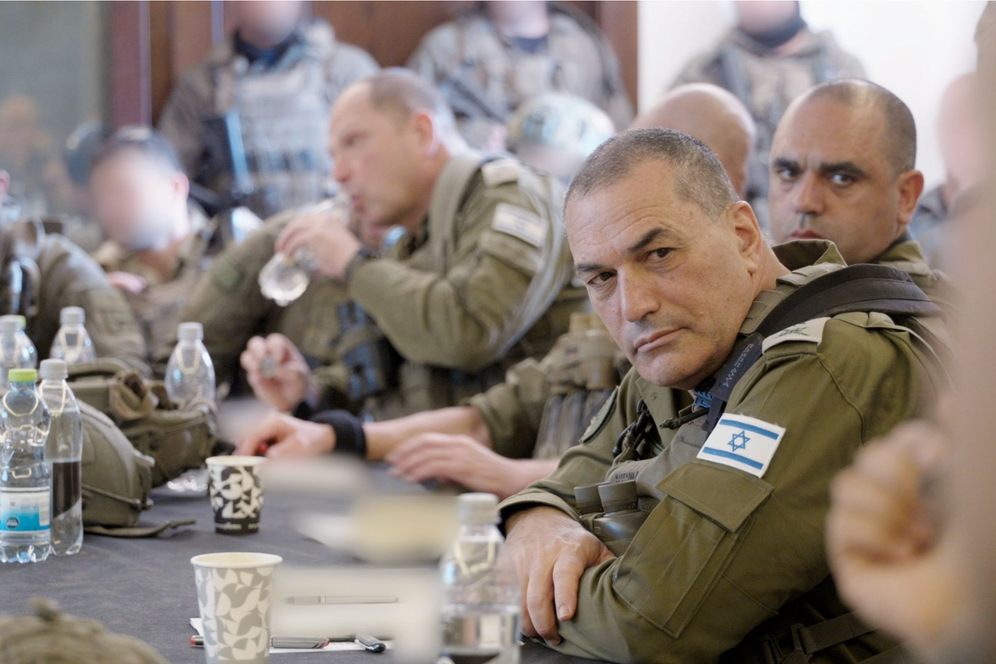
The Israeli political leadership and military have already approved full plans for the continuation of the campaign in the north, according to official statements. IDF Chief of Staff Lt. Gen. Eyal Zamir confirmed that "the political leadership and the military have already approved plans for the continuation of the campaign," signaling a clear strategic readiness for sustained operations in the region. This approval shows Israel's commitment to addressing the security challenges posed by Hezbollah along its northern frontier.
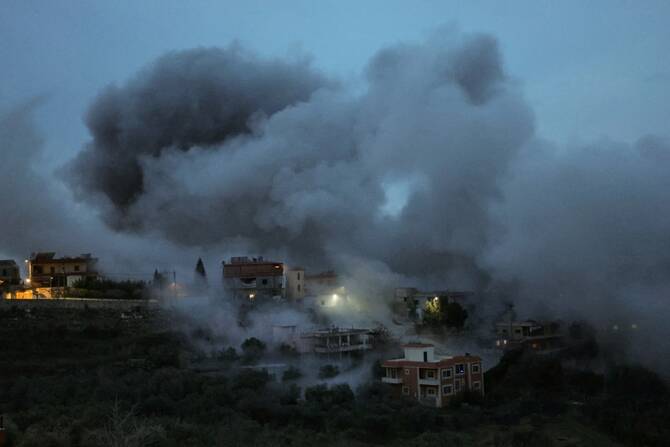
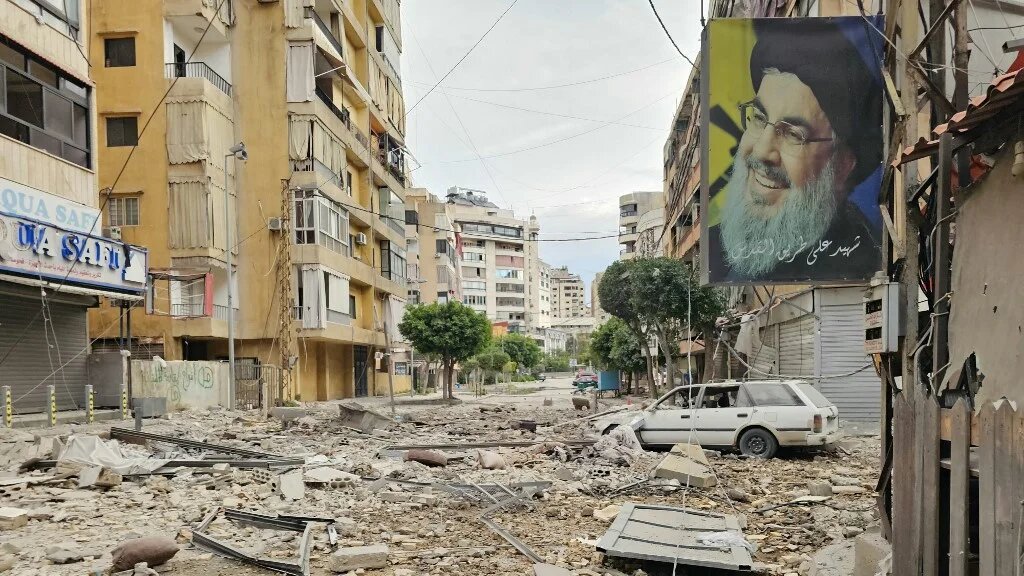
Israeli forces are actively engaged in destroying Hezbollah infrastructure located near the border, utilizing heavy engineering equipment for these extensive operations. This concerted effort aims to severely degrade Hezbollah's capabilities and dismantle its presence close to Israeli territory, thereby enhancing the security of Israeli communities. The Israel Defense Forces launched its deep maneuver one day after the commencement of Operation Roaring Lion, signaling a rapid progression of military actions following the initial phase of the conflict. This swift escalation demonstrates the IDF's determination to achieve its strategic objectives against Hezbollah's infrastructure and operational capacity.
Outlook for Continued Fighting
Senior Israel Defense Forces officials will insist on maintaining a demilitarized zone between the border and the yellow line, according to claims, as a key component of any future arrangement. This stance indicates a long-term strategic objective for the region following ongoing military operations, aimed at establishing a secure buffer. The push for a demilitarized buffer suggests an effort to mitigate future threats and enhance security along Israel's northern frontier, preventing cross-border incursions and the type of drone activities that have significantly impacted recent operations. This strategic imperative is expected to shape future diplomatic and military discussions regarding the resolution of the conflict, with the demand noting the IDF's focus on creating a secure perimeter to prevent a resurgence of threats. The insistence on this demilitarized zone reflects a proactive approach to ensuring lasting security and stability in the area.