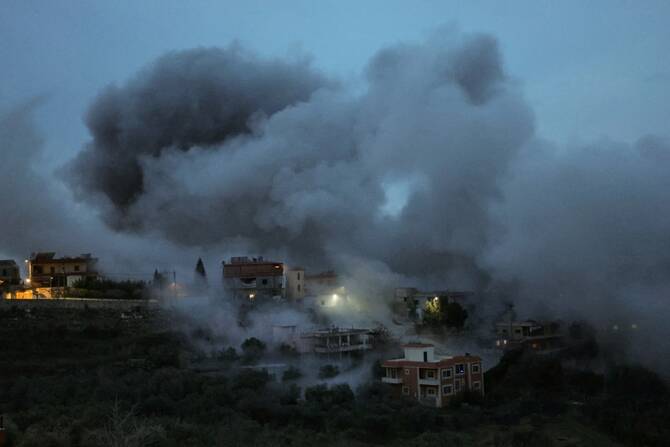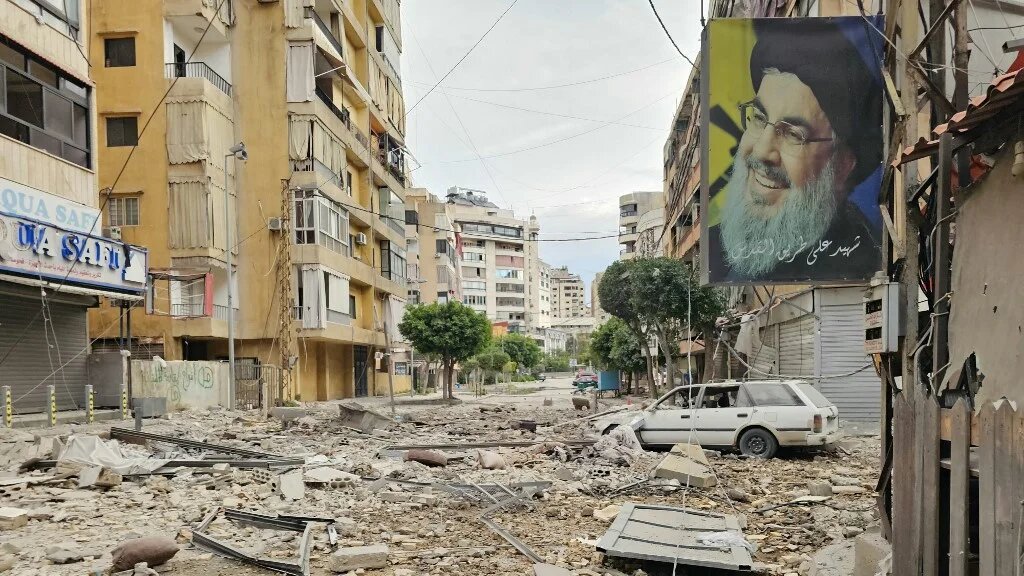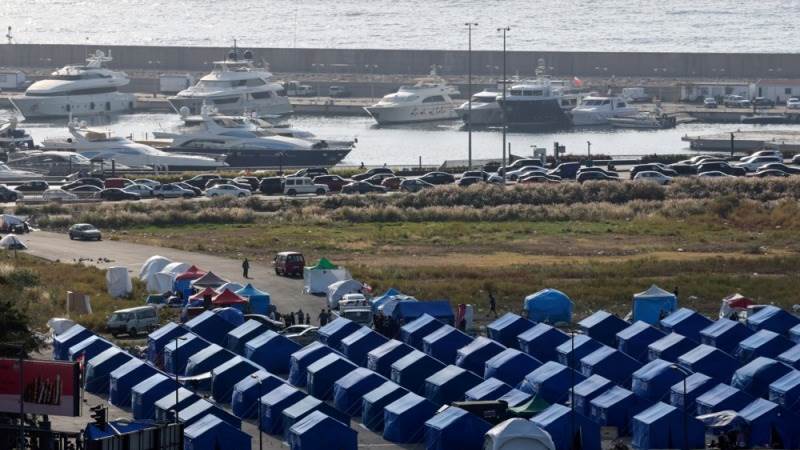
Israeli airstrikes targeted the Tyre district in southern Lebanon on Monday, marking a significant escalation in military activities in the region. The strikes were conducted shortly after the Israeli military issued new evacuation orders for parts of the area, prompting residents to seek safety. This development follows previous evacuation orders for the al-Rashidiyya and Burj Shemali camps, which had already led many residents to seek shelter in the nearby Nabatieh district. Further evacuation notices had also been issued for the villages of Doueir, Froun, as-Sultaniyah, and the Bint Jbeil area earlier in the day, indicating a widening scope of potential conflict zones. The recent military actions have intensified concerns among residents in the affected regions, raising fears of further displacement and humanitarian challenges. The issuance of these multiple evacuation directives suggests a deliberate strategy by the Israeli military, preceding direct engagements in the designated zones.
Specifics of Tyre Strikes
The recent military operations included several distinct incidents within the Tyre district. One Israeli airstrike directly impacted al-Rashidiyya, a densely populated area that had been subject to prior evacuation warnings. A separate strike targeted a building situated in Burj Shemali, another location for which an evacuation warning had previously been issued by the Israeli military. The targeting of these specific areas, following explicit evacuation notices, shows the pre-planned nature of the operations. Earlier reports indicated that Israeli forces had deployed incendiary bombs in various parts of the Tyre district, preceding these specific missile strikes. The use of such munitions adds another layer of concern regarding the potential for widespread damage and civilian impact in these southern Lebanese localities. The sequence of events, from warnings to incendiary bombs and then direct strikes, notes a methodical approach to military engagement in the region.
Wider Regional Attacks
Beyond the immediate vicinity of Tyre, separate attacks reportedly killed three people in Doueir, a village located in the Nabatieh district. This incident further illustrates the broader geographical spread of the conflict. Additional strikes also impacted Froun and as-Sultaniyah, which are both situated within the Bint Jbeil area, a region already under heightened alert. These incidents occurred in areas for which the Israeli military had previously issued evacuation notices earlier on Monday, reinforcing the pattern of warnings preceding military action. The reported casualties in Doueir mark a serious consequence of the escalating hostilities, deepening the humanitarian crisis in southern Lebanon. The simultaneous targeting of multiple locations across different districts suggests a coordinated offensive operation by Israeli forces.
Lebanese Response and Stance
In response to the escalating situation, Lebanese President Joseph Aoun stated that ongoing negotiations with Israel do not signify surrender. Mr. Aoun clarified that these discussions instead reaffirm Lebanon's exclusive right to defend its territory. His comments address the country's position amid increased military activity in its southern regions, emphasizing national sovereignty and the right to self-defense. This declaration from the Lebanese presidency aims to provide clarity on the nation's diplomatic and security posture, assuring its citizens that any engagement in talks does not compromise fundamental national principles. President Aoun's statement shows the delicate balance Lebanon seeks to maintain between diplomatic efforts and the assertion of its territorial integrity in the face of external military pressures.
Unconfirmed Casualties and Damage
Lebanon's National News Agency (NNA) did not immediately provide details regarding potential casualties or the extent of damage in the Tyre area following the recent Israeli airstrikes. The agency's reports did not include specific figures or descriptions of injuries or property destruction in the targeted locations, particularly in al-Rashidiyya and Burj Shemali. This lack of immediate information left the full impact of the strikes on the ground unclear, contributing to uncertainty among residents and international observers. The absence of official confirmation regarding the human and material toll in the immediate aftermath makes it difficult to fully assess the severity of the attacks and their long-term consequences for the affected communities.