A preliminary rocket warning system was activated overnight between Tuesday and Wednesday in communities located in the Galilee Panhandle. The test of the new alert system occurred without any reported injuries. This activation marked a significant step in the region's defense posture. The Israel Defense Forces (IDF) is actively evaluating the system's performance in the northern region, analyzing its effectiveness and response times during the overnight incident. The system's deployment is part of ongoing efforts to enhance civilian protection in areas susceptible to cross-border threats.
System Activated Overnight
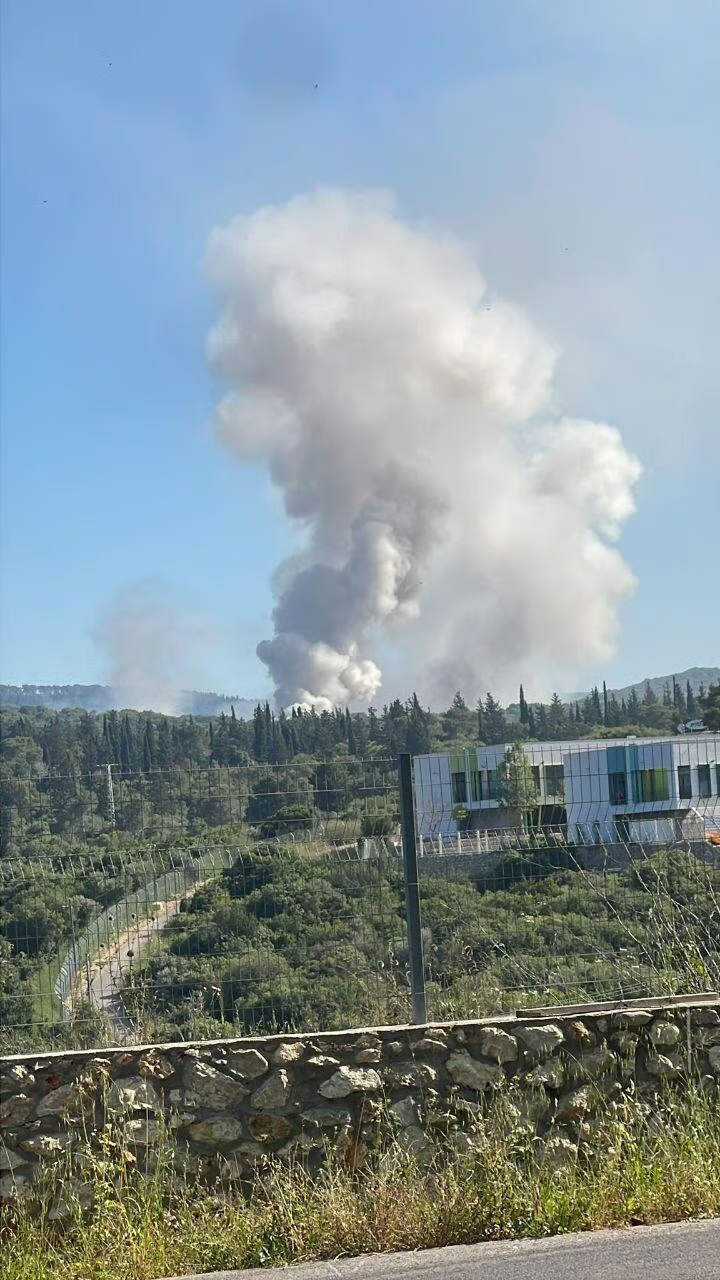
Less than a minute after the preliminary warning system's activation, sirens sounded in Kiryat Shmona and its surrounding communities, indicating an imminent threat. The Israel Defense Forces reported that a rocket launched from Lebanon subsequently exploded in an open area, causing no physical harm. No injuries were reported from the impact, showing the importance of early warning systems. Following the overnight events, schools remained closed on Wednesday morning for communities located along the confrontation line, disrupting the regular routine for thousands of students and their families. The closures impacted the daily routines of residents in the affected areas, noting the ongoing security concerns in the region. The decision to keep schools closed was a precautionary measure, allowing authorities to assess the situation fully and ensure the safety of students and staff.
New Warning Protocol Details
The Home Front Command stated on Tuesday that it would begin issuing preliminary instructions for rocket and missile fire from Lebanon when operational conditions allow, providing residents with key moments to seek shelter. The warning time for threats originating from Lebanon will be relatively short, varying based on the distance from the launch site. Communities along the confrontation line will receive alerts with only a few seconds' notice, reflecting the close proximity to potential launch points. For areas in the northern region, residents could have up to one minute to react to an incoming threat. Elsewhere in the country, further from the immediate confrontation line, the warning period may extend to up to two minutes, offering a slightly longer window for preparation. On Monday night, the Home Front Command published its new defense guidelines close to midnight, detailing these revised protocols for residents and ensuring the public was informed of the updated procedures. These guidelines are critical for ensuring public safety and preparedness in the face of evolving security challenges.
Context and Distribution
The preliminary warning issued overnight marked the first such alert triggered by fire from Lebanon during the current period of fighting with Hezbollah, which some have referred to as a "ceasefire" period amidst ongoing tensions. This specific incident shows the volatile security situation along the northern border. The Home Front Command is distributing the preliminary warning system's alerts through multiple channels to ensure broad reach and maximize public awareness. These channels include its dedicated application, which provides direct alerts to users' mobile devices, its personal message platform, offering targeted notifications, the national emergency portal, serving as a central hub for information, and its official Telegram channels, which are widely used for rapid dissemination of updates. This multi-channel approach is designed to ensure that as many residents as possible receive timely alerts, enhancing their ability to respond effectively to threats. The full distribution strategy aims to reach diverse demographics and technological access points, ensuring that critical safety information is accessible to all affected populations.