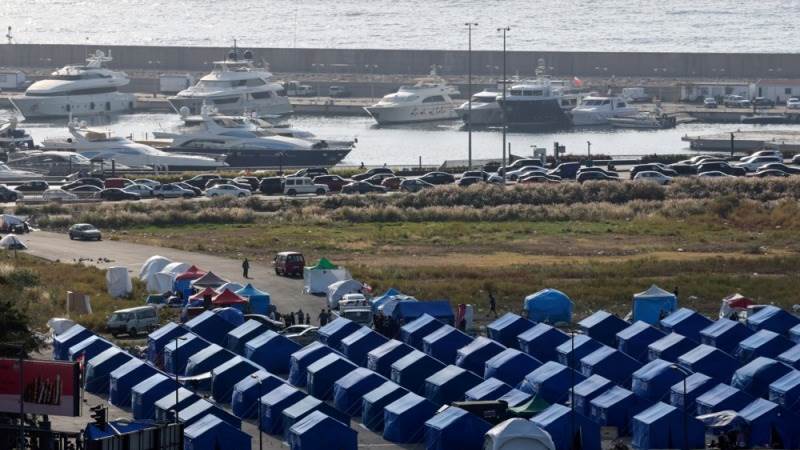
Families from Beirut’s southern suburbs sought refuge on the city’s waterfront on Monday night, May 25, 2026, amid growing fears of escalation in the region. Many gathered along the Corniche area, seeking open spaces away from residential districts. The movement reflected increasing anxieties among residents regarding potential conflict. Residents, primarily from southern Beirut neighborhoods, began relocating to perceived safer areas as tensions mounted. The decision to move to the waterfront was a direct response to the palpable sense of unease that has gripped the city.
Displacement Amid Rising Tensions
Families from Beirut’s southern suburbs fled to the city’s waterfront on Monday night, May 25, 2026, amid growing fears of escalation in the region. Many gathered along the Corniche area, seeking open spaces away from residential districts. The movement reflected increasing anxieties among residents regarding potential conflict. Residents, primarily from southern Beirut neighborhoods, began relocating to perceived safer areas as tensions mounted. This pattern of internal displacement notes the persistent concern among the Lebanese population regarding the potential for broader hostilities involving Israel. The ongoing situation has prompted many to re-evaluate their safety within urban centers, particularly those living in densely populated areas.
The waterfront, a traditionally public and open space, became a temporary haven for those looking to distance themselves from areas considered more vulnerable to potential military actions. This shift in population shows the precautionary measures families are taking in anticipation of possible hostilities. The atmosphere on the Corniche was marked by families settling in temporary arrangements, many having brought essential supplies for an uncertain period. Public spaces offering distance from concentrated residential buildings are increasingly viewed as safer alternatives during times of heightened alert in Lebanon. The act of fleeing to the waterfront was a spontaneous, collective decision by many families seeking immediate safety.
Fears of Israeli Strikes
Displaced Lebanese families expressed widespread concern about a potential new escalation with Israel. Many residents relocating to the Beirut waterfront on Monday night did so out of fear of renewed conflict. The movement of families to open areas like the Corniche reflected anxieties about potential Israeli strikes targeting densely populated areas. This apprehension has prompted many to seek what they perceive as safer, less vulnerable locations within the city, away from residential centers in Beirut's southern suburbs. The current situation has led to a palpable sense of unease among the Lebanese population regarding the possibility of broader hostilities involving Israel. The fear of an impending conflict has driven many to make difficult decisions about their immediate safety and the well-being of their families. Displaced Lebanese expressed a collective fear of a new escalation with Israel.
The decision to move away from residential districts was a direct consequence of the historical context of past conflicts, where urban areas have often been targets. Families sought to minimize their exposure to potential danger by choosing open, less built-up environments. The widespread displacement on Monday night showed the deep-seated concerns that a significant escalation involving Israel could be imminent. This proactive measure by residents notes their vigilance and determination to protect themselves from potential harm.
Waterfront Becomes Temporary Haven
The Beirut waterfront, including the Corniche area, transformed into a temporary refuge for families seeking safety from escalating tensions. Many residents, primarily from Beirut’s southern suburbs, opted for these open public spaces to distance themselves from residential districts considered vulnerable. This movement reflects a precautionary measure by the Lebanese population amid concerns about potential conflict involving Israel. The waterfront provided a sense of openness and distance from the urban density that many perceived as a risk.
Families brought essential supplies, settling into temporary arrangements along the Corniche. These provisions included blankets, food, and water, indicating a preparation for an extended stay if necessary. The shift to public areas offering distance from concentrated residential buildings notes a widespread effort to find safer alternatives during times of heightened alert. This internal displacement shows the anxieties and ongoing concerns among Lebanese families regarding the possibility of broader hostilities. The impromptu gathering on the Corniche illustrated the community's response to the perceived threat, creating a temporary, albeit uncertain, haven for those seeking refuge.