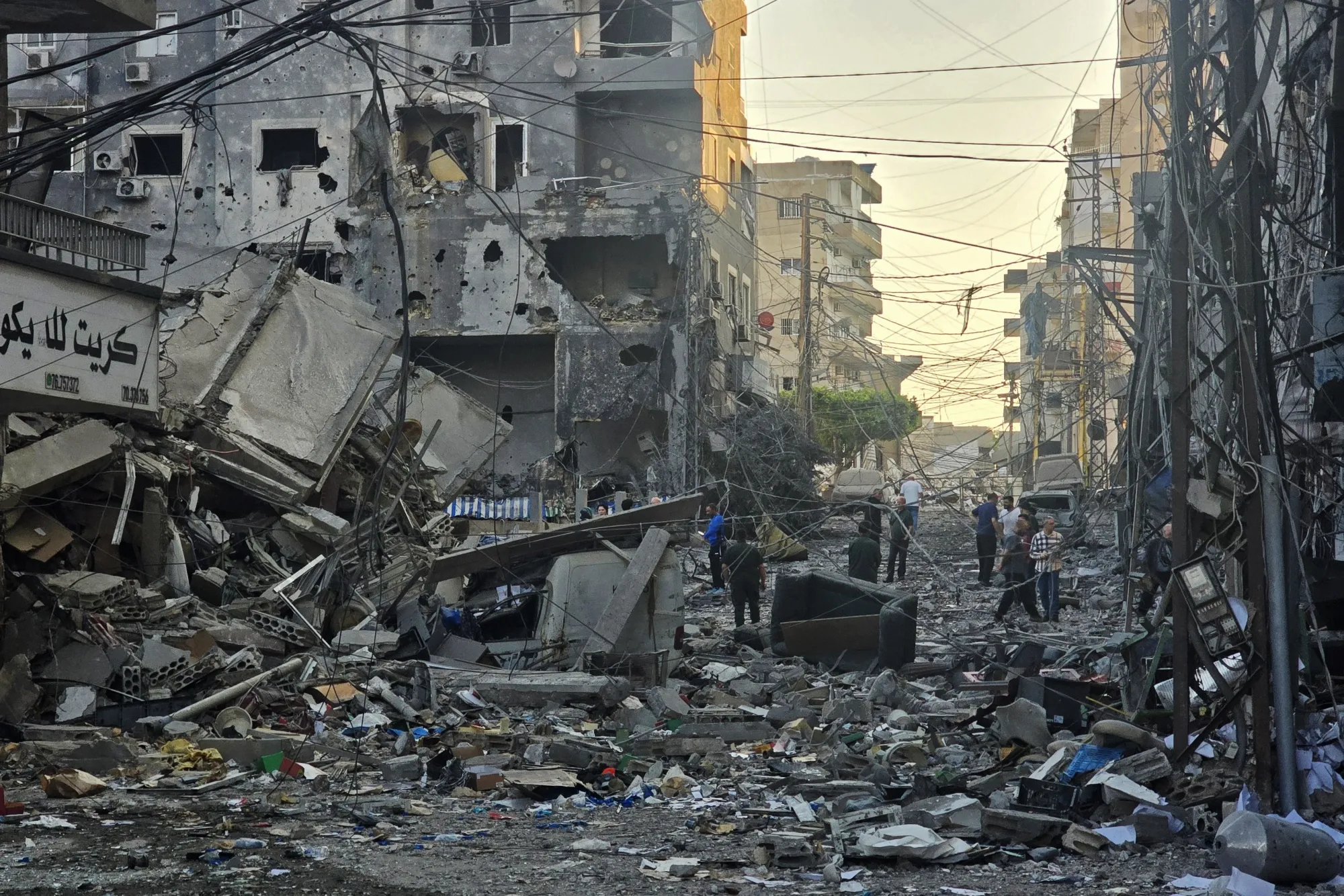
Israel’s military confirmed its ground forces are advancing deeper into Lebanon, according to a statement released on May 26, 2026. This confirmation followed an earlier report by N12 that detailed the movements of Israeli troops. The Israel Defense Forces articulated that the operations were progressing further into Lebanese territory, marking a significant development in the ongoing cross-border engagements. The military's statement provided clarity on the nature and scope of its ground incursions, which had been the subject of earlier media reports.
IDF Confirms Operation Details
The Israel Defense Forces (IDF) confirmed its troops are operating beyond what it terms the Forward Defense Line. The military stated this operation is aimed at removing direct threats to citizens. An official statement from the Israel Defense Forces specified that its forces are "operating in a targeted manner beyond the Forward Defense Line in order to remove direct threats to citizens." This declaration from the Israeli military shows a strategic objective to neutralize perceived security risks emanating from Lebanese territory. The IDF's confirmation details the nature of its ground incursions into Lebanese territory, emphasizing a strategic objective to address perceived security risks that could impact Israeli civilians. This clarification follows earlier reports indicating Israeli forces were deepening their presence within Lebanon, moving beyond previously established operational boundaries. The IDF's public statement outlined the specific operational mandate guiding these movements, emphasizing a proactive approach to security. The military did not provide further details regarding the exact locations or the duration of these operations beyond the Forward Defense Line, maintaining a level of operational secrecy.
Context of Escalation
The Israel Defense Forces (IDF) has stated its ground forces are now operating beyond the Forward Defense Line in Lebanon. This operational advance is part of an effort to eliminate perceived direct threats to citizens, according to military statements. The IDF’s movements deeper into Lebanese territory follow a period of heightened cross-border hostilities between Israel and various groups operating from Lebanon. These ongoing tensions have seen frequent exchanges of fire and military actions across the border. Sources like N12 had previously reported on the ongoing Israeli incursions into Lebanon, indicating a gradual escalation of military presence. The current operations signify a further expansion of military engagement within Lebanese borders, moving beyond the immediate vicinity of the frontier. The military has described its actions as targeted, focusing on specific security objectives rather than broader territorial control. This escalation marks a significant development in the ongoing conflict, with Israeli forces extending their operational reach into areas previously less affected by ground incursions. The precise geographical extent and duration of these incursions beyond the Forward Defense Line have not been publicly detailed by the IDF, leaving room for speculation regarding their ultimate objectives.
Broader Regional Implications
The advancement of Israel Defense Forces ground troops deeper into Lebanon, beyond the Forward Defense Line, raises concerns about broader regional stability. Military operations by Israel within Lebanese territory have historically led to increased tensions across the Middle East, often drawing in other regional and international actors. Bloomberg reported that such incursions could complicate diplomatic efforts to de-escalate the ongoing conflict, potentially undermining fragile ceasefires or mediation attempts. The extension of operations into Lebanon marks a significant escalation, potentially drawing in other regional actors who view such actions as destabilizing. N12 previously noted the sensitive nature of cross-border military movements and their potential for wider ramifications. The Israel Defense Forces' stated objective of removing direct threats to citizens shows the perceived security imperatives driving these actions, but the methods employed carry inherent risks of further regional destabilization. The international community is closely watching these developments, concerned about the potential for the conflict to widen beyond its current scope.