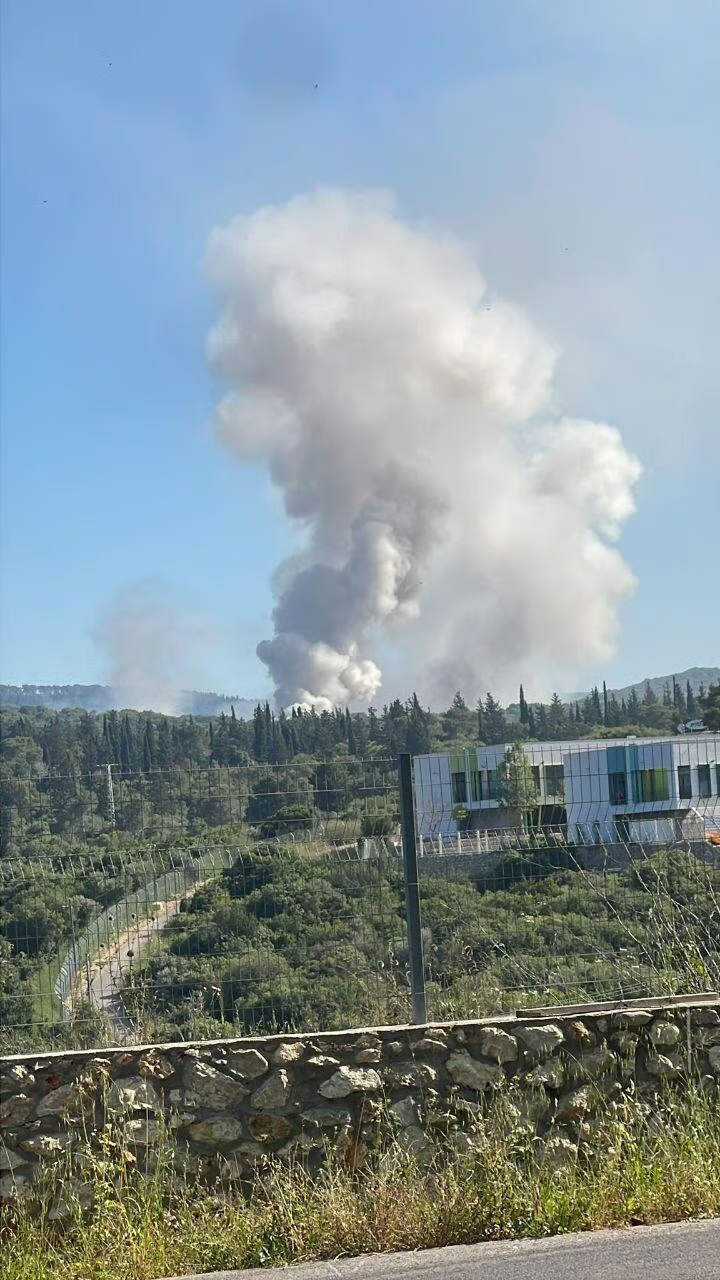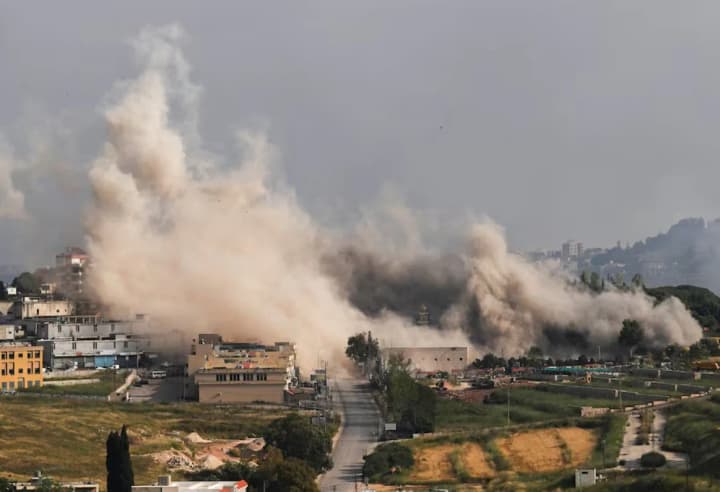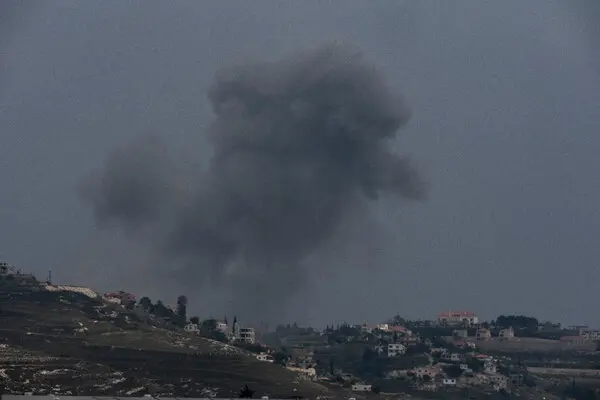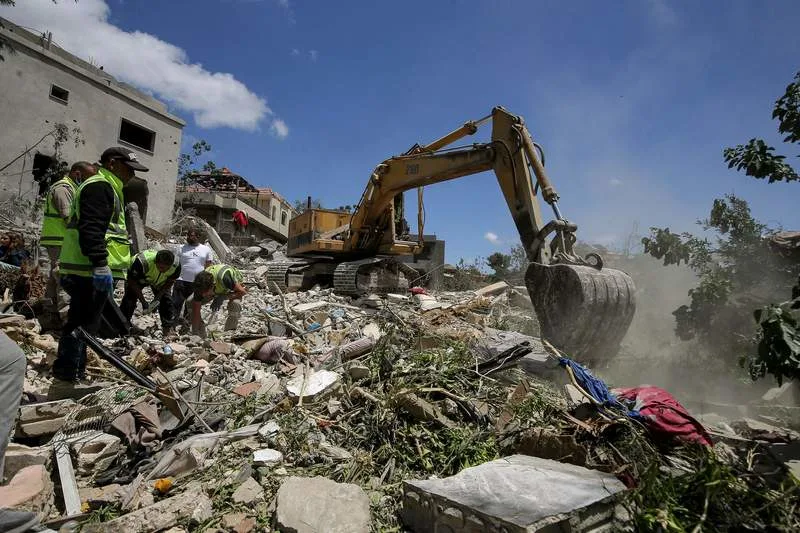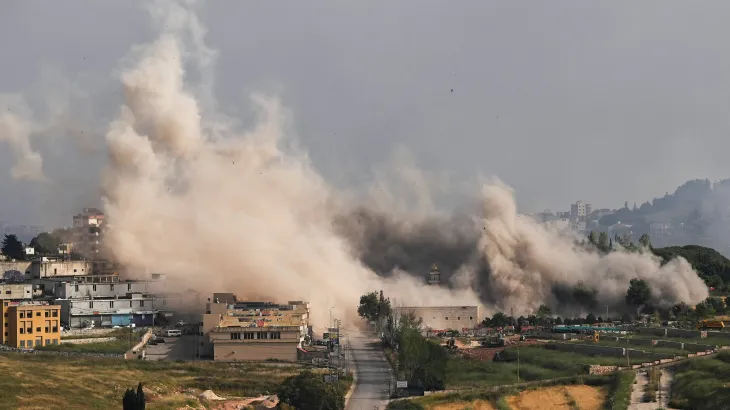
Israeli attacks across southern Lebanon killed at least 31 people and wounded 40 on Tuesday, escalating regional tensions and drawing sharp condemnation from various international actors. The strikes occurred as Iran stated the US violated the ceasefire by carrying out strikes near the Strait of Hormuz, further complicating the already volatile geopolitical landscape. Alongside the southern Lebanon casualties, massive strikes also hit eastern Lebanon, including areas near the strategic Qaraoun Dam, indicating a broad scope to the Israeli military operations. This intensified military action has raised concerns about a wider regional conflict and the potential for further destabilization.
Intensified Israeli Operations
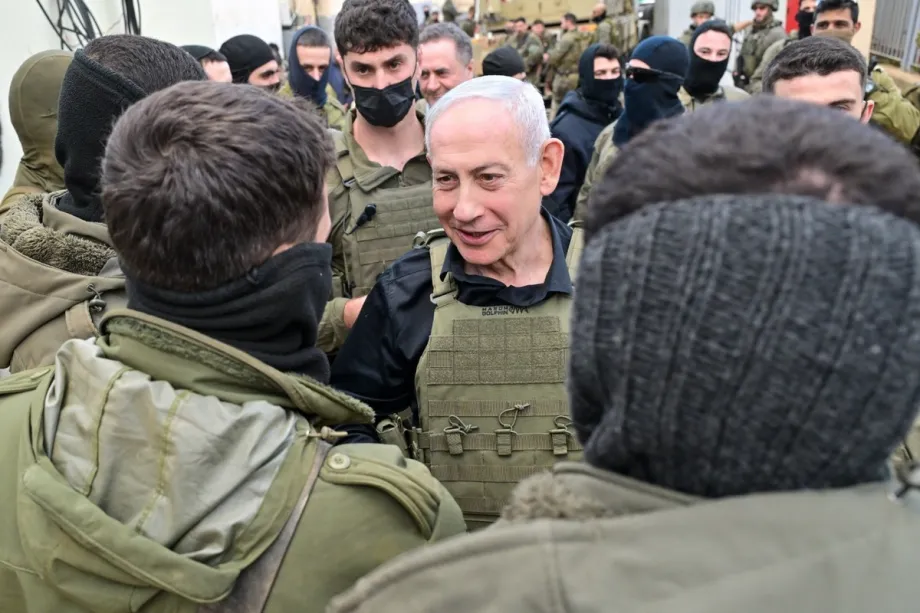
Israeli forces intensified strikes and issued dozens of displacement orders for towns and villages across southern Lebanon and the eastern Bekaa Valley, compelling thousands of residents to flee their homes. The scale of these displacement orders shows the severity of the ongoing military campaign. Israeli Prime Minister Benjamin Netanyahu stated that Israeli forces were “deepening” operations inside Lebanon, signaling a sustained and expanding military presence.
Netanyahu elaborated, stating that Israeli troops were "seizing and controlling" territory as part of these operations, indicating a significant ground component to the military strategy. He indicated that a "security zone" was being established inside Lebanese territory, a move that has historically been a point of contention and conflict. The prime minister added that Israel was intensifying efforts against Hezbollah drones, which have been a persistent threat in the border region. This focus on drone countermeasures notes the evolving nature of the conflict and the technological aspects of modern warfare.
Netanyahu pledged that fighting would continue "until ensuring the full security of Israel’s citizens," a declaration that suggests a prolonged engagement. The displacement orders affected numerous communities in both southern Lebanon and the eastern Bekaa Valley, creating a humanitarian crisis as residents seek safety from the ongoing hostilities. These orders have led to significant internal displacement, adding to the already strained resources in the country. The strategic importance of the targeted areas, including the Qaraoun Dam region, suggests that Israel's operations extend beyond immediate border security concerns. The military actions are perceived by many as a significant escalation, pushing the region closer to a broader confrontation.
US-Iran Confrontation
Iranian officials condemned what they called "blatant violations" of the ceasefire by the United States after attacks occurred in southern Iran on Monday. Specifically, Iranian officials described the attacks in Hormozgan province as a “gross violation” of the agreed-upon ceasefire terms, raising serious questions about the durability of the truce. These claims came after the US carried out strikes near the Strait of Hormuz, a critical maritime choke point for global oil shipments. The Iranian government's strong reaction shows the fragility of the current ceasefire arrangements and the deep distrust between the two nations.
The US, in turn, claimed its strikes were defensive in nature, targeting missile sites and vessels that were reportedly attempting to lay mines in the strategic waterway. This narrative from the US frames its actions as necessary measures to protect international shipping and prevent acts of aggression in a vital global trade route. This exchange of accusations marks a heightened period of tension between the two nations following the established ceasefire, indicating that the underlying issues remain unresolved despite diplomatic efforts. The confrontation near the Strait of Hormuz has significant implications for global energy markets and regional stability.
Separately, internet access has begun to gradually return across Iran, providing a glimmer of hope for improved communication and information flow. This follows what NetBlocks, a watchdog organization monitoring cybersecurity and internet governance, identified as Iran’s longest nationwide crackdown on online access. The extended internet disruption had severely impacted communication and information flow within the country, limiting citizens' ability to access independent news and communicate freely. The return of connectivity is expected to allow for greater public access to information regarding the ongoing regional developments and the recent US strikes, potentially enabling a more full understanding of the situation among the Iranian populace. The internet shutdown itself was a significant event, noting the government's control over information in times of crisis.
Diplomatic Fallout and Reactions
The escalating tensions have triggered a wave of diplomatic reactions and warnings from various international players. Iran’s Supreme Leader Mojtaba Khamenei issued a stern warning to regional countries against hosting military bases that could be used to launch attacks on Iran, clearly indicating Tehran's sensitivity to perceived threats from neighboring states. This statement reflects Iran's concern about its security perimeter and its readiness to respond to any perceived aggression originating from its vicinity. Meanwhile, Iran's Tasnim news agency reported that Tehran is pushing for the release of $24bn in frozen assets as part of ongoing negotiations, a significant financial demand that could influence the pace and outcome of diplomatic talks. The release of these funds is seen by Iran as key for its economic stability and a key component of any lasting agreement.
United States Secretary of State Marco Rubio stated that a peace agreement with Iran remained within reach despite the recent escalations, offering a cautiously optimistic outlook amidst the rising tensions. This suggests that diplomatic channels, though strained, are not entirely closed and that there is still a possibility for de-escalation through negotiation. China, a major global power with significant interests in the region, urged all sides to honour the truce and resolve disputes through diplomatic channels, emphasizing the importance of stability and peaceful resolution. This call from Beijing shows the international community's desire to prevent a wider conflict.
In a related development, Israel’s Kan broadcaster reported an “unprecedented” deployment of US fighter jets and refuelling aircraft at Israeli airports. The report did not specify the exact number or type of aircraft involved in this deployment, but the term "unprecedented" suggests a significant show of force and a clear signal of US support for Israel. This deployment is likely intended to deter further escalation and reinforce regional security. Democratic Senator Cory Booker commented on the broader regional situation, stating that President Donald Trump’s approach to Iran had backfired, offering a critical assessment of past US policy. Senator Booker argued that the conflict had strengthened Tehran’s position rather than weakening it, suggesting that the previous administration's strategies had unintended consequences. He further asserted that the United States was now in a “worse” situation than before the war, noting his concern about the current trajectory of US foreign policy in the Middle East and its impact on American interests. These political statements reflect the ongoing debate within the US about the most effective way to manage relations with Iran and ensure regional stability. The confluence of military actions, diplomatic maneuvering, and internal political commentary paints a complex picture of a region on the brink.