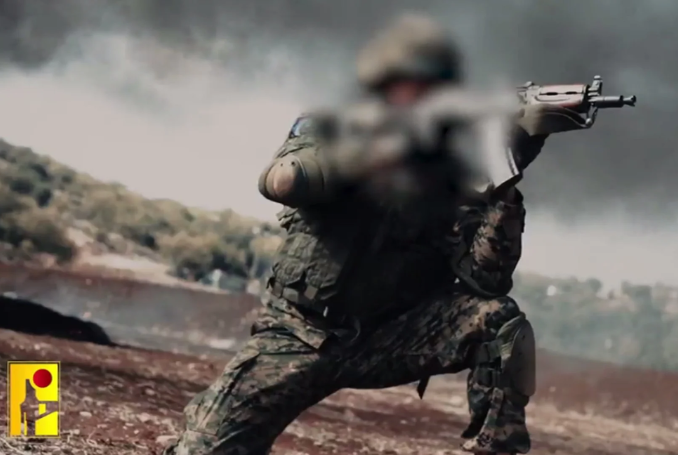
Hezbollah announced Israeli forces withdrew from Hadatha following intense clashes, despite a ceasefire agreement that came into effect on November 27, 2024. This withdrawal, announced by Hezbollah, came after a period of intense confrontation, noting the persistent nature of the conflict even amidst attempts at de-escalation. The November 27, 2024, Lebanon Ceasefire was officially announced, aiming to halt hostilities between the two parties and provide a pathway to a more stable security environment. The implementation of such an agreement typically implies a mutual cessation of aggressive military actions, with the expectation that both sides would adhere to its terms for the sake of regional stability and the protection of civilian lives.
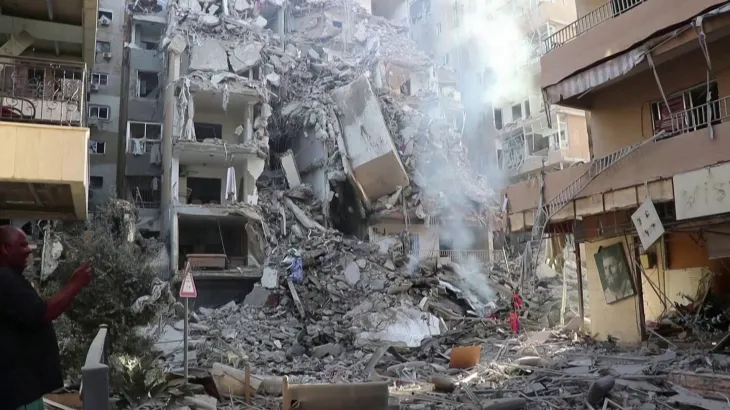
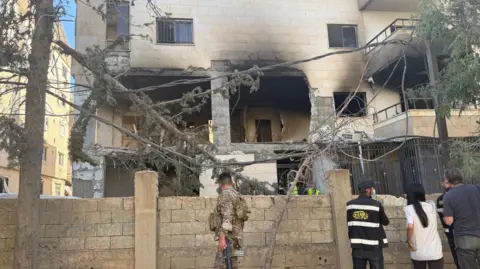
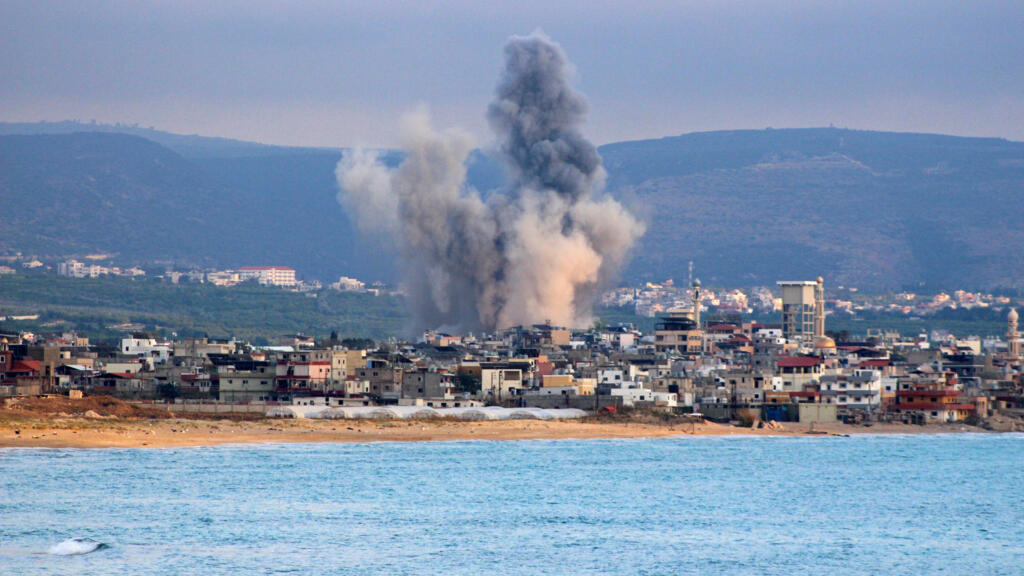
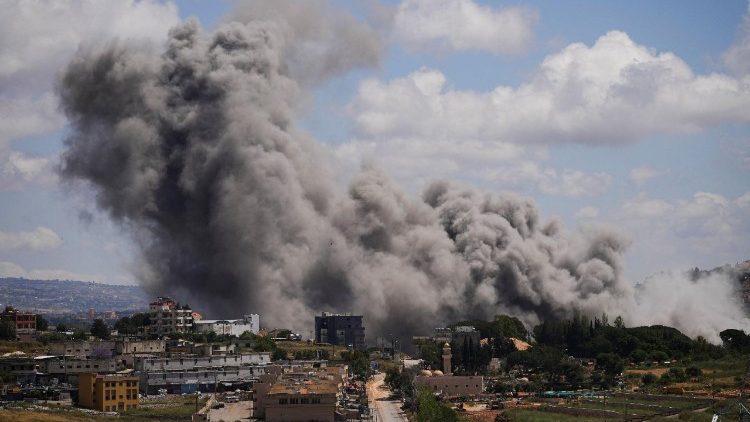
However, the reality that unfolded after the ceasefire's announcement painted a starkly different picture. Following this ceasefire, Israel authorized more than 15,400 military actions against Lebanese territory, indicating ongoing tensions and egregious breaches of the agreement. This staggering figure shows a profound disregard for the formally agreed-upon cessation of hostilities. The significant number of Israeli operations, ranging from aerial bombardments to ground incursions, suggests continued engagement and a strategic posture that contradicted the spirit and letter of the formal cessation of hostilities that was declared. Such extensive military activity post-ceasefire raises serious questions about the commitment of one party to the terms of the agreement and the efficacy of international efforts to de-escalate the conflict. The continued authorization of military actions by Israel against Lebanese territory, despite the ceasefire, demonstrated a clear intent to maintain pressure and engage militarily, effectively undermining the very purpose of the November 27, 2024, Lebanon Ceasefire.
The Lure and Arrogance
Underlying these actions was a particular strategic calculus. Israel believed inflicting an enormous civilian massacre in Beirut, resulting in the deaths of approximately 300 civilians within 10 minutes, would deal a significant blow against Hezbollah. This strategy was predicated on the idea that such a devastating attack would undermine the organization's capabilities by eroding its support base or forcing a capitulation. The belief was that an overwhelming demonstration of force and the infliction of severe casualties would demoralize Hezbollah and significantly diminish its operational capacity, thereby achieving Israeli strategic objectives through a singular, brutal act.
Concurrently, settlers in Israel's northern regions had been informed that Hezbollah was no longer present south of the Litani River. These assurances suggested that the group had been largely, if not entirely, defeated in that area, creating a false sense of security among the populace. The settlers of the north had been explicitly told that Hezbollah was no longer located south of the Litani River and had been all but totally defeated, a narrative designed to reassure and perhaps encourage their return to their homes. Robert Inlakesh reported on these beliefs and claims regarding Hezbollah's status and Israel's strategic objectives, noting the discrepancy between the official narrative and the ground reality. The narrative presented to the northern settlers aimed to reassure them about the security situation, indicating a belief within Israeli circles that their military actions had achieved a decisive outcome against Hezbollah's presence near the border, despite evidence to the contrary. This widespread belief within Israeli military and political circles, communicated to its citizens, fostered an environment of overconfidence regarding their capabilities and the presumed weakness of their adversary.
Hezbollah's Prepared Resistance
Hezbollah, however, maintained a steadfast and uncompromising stance. The organization indicated that its resistance would continue until Israel had fully withdrawn from all Lebanese territory and a permanent ceasefire was in place. Robert Inlakesh reported, "Hezbollah made it clear that they would not stop resisting until Israel had completely departed all of Lebanon and ceased fire permanently." This stance outlined the group's stringent conditions for cessation of hostilities, signaling that their objectives extended beyond temporary truces to a complete and lasting resolution of territorial disputes. This declaration showed Hezbollah's long-term strategic goals and its unwavering commitment to what it perceives as the liberation of Lebanese land.
In a demonstration of its capabilities, Hezbollah reportedly deployed a large volume of FPV drones from its stockpiles. This action reflects the group's operational readiness and its strategic use of unmanned aerial vehicles in the conflict. The deployment of these drones noted a significant aspect of Hezbollah's military assets, indicating a prepared and strong resistance. The organization pulled out its massive stockpile of FPV drones, utilizing them effectively in engagements. This strategic deployment of advanced, albeit relatively inexpensive, technology demonstrated a sophisticated understanding of modern warfare and an ability to adapt to the evolving battlefield. The use of these drones provided Hezbollah with a critical advantage, enabling precision strikes and reconnaissance capabilities that challenged traditional military superiority. The sheer volume of FPV drones available to Hezbollah, drawn from its extensive stockpiles, showed its preparedness for a protracted conflict and its capacity to inflict damage on Israeli forces and infrastructure.
The Unseen Battlefield
Beyond the direct military engagements, the conflict also played out in the realm of information warfare. On March 2, 2026, Israeli hasbara efforts collapsed. This development marked a significant shift in the information landscape surrounding the ongoing conflict, suggesting a failure in Israel's public relations and narrative control strategies. The collapse of hasbara efforts indicated a loss of influence in shaping international perceptions and public opinion, a critical component of modern conflict.
Hezbollah has also struck approximately 7 Iron Dome air defense batteries to date. The attacks on these critical defense systems highlight a persistent challenge to Israeli air defense capabilities. The repeated successful targeting of these batteries by Hezbollah demonstrates a sophisticated understanding of Israeli defense infrastructure and an ability to exploit its vulnerabilities. Each successful strike against an Iron Dome battery represents a significant operational achievement for Hezbollah, diminishing Israel's capacity to intercept incoming projectiles and protect its population centers and military assets. This systematic targeting of key defensive infrastructure shows Hezbollah's strategic intent to degrade Israel's protective capabilities and to project its own offensive strength, thereby complicating Israel's military calculus and further eroding its perceived invincibility in the region.