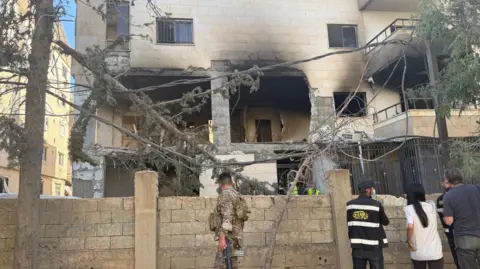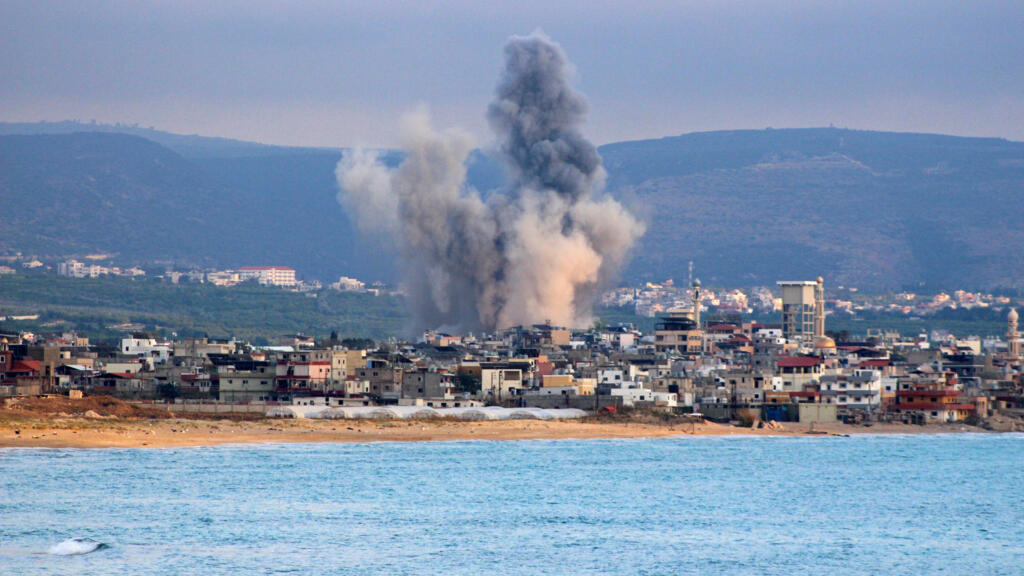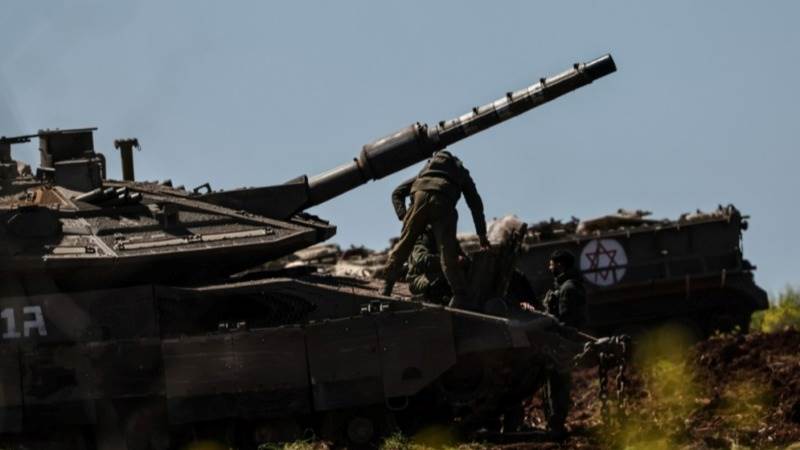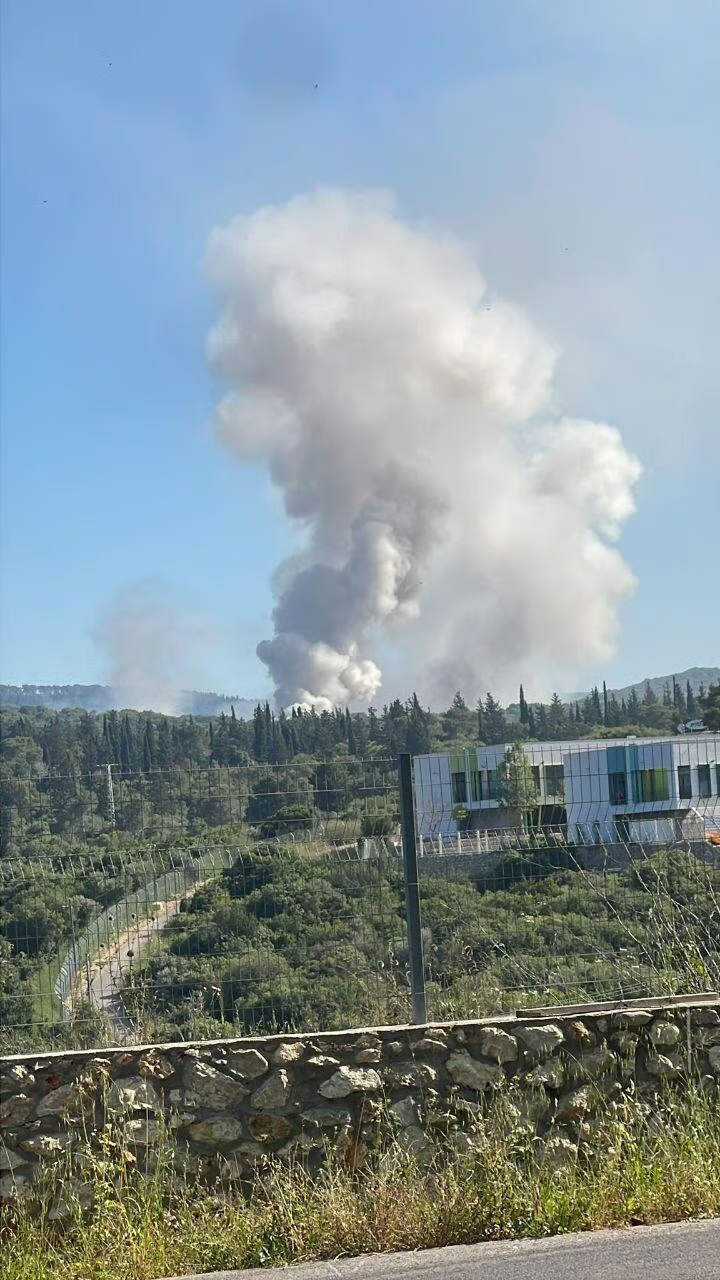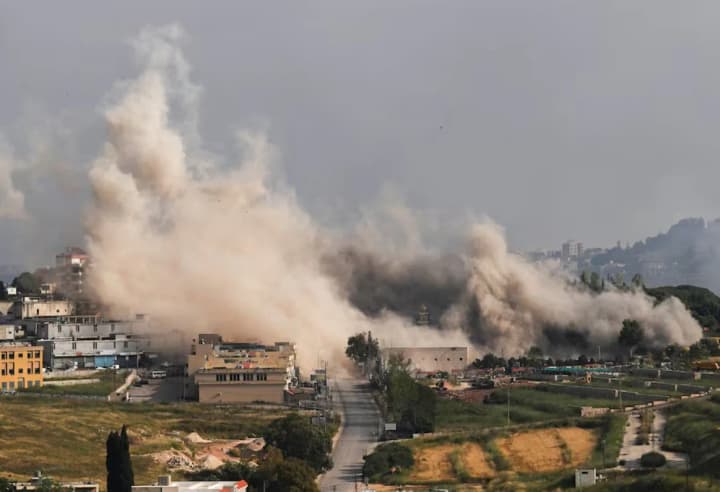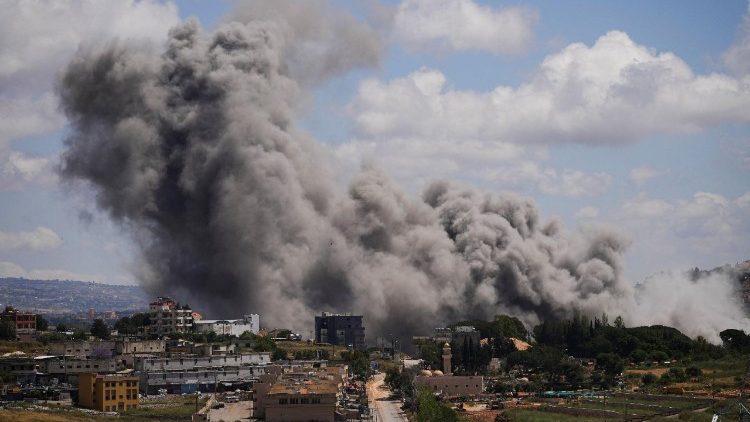
A series of Israeli strikes targeted Hezbollah infrastructure in southern Lebanon on Thursday, raising concerns about the fragile cease-fire between the U.S. And Iran. These renewed hostilities came amidst the largest evacuation order since a cease-fire took effect on April 17, signaling a significant escalation in the ongoing conflict. Israeli forces reported that 23 soldiers and four civilians have been killed on both sides of the border during the same period, showing the human cost of the escalating violence. The escalating situation in southern Lebanon threatens to destabilize the delicate agreements that have been in place and further intensify regional tensions. The targeted actions against Hezbollah infrastructure, including several key sites, show the ongoing volatility in the area and the persistent threat of broader conflict.
Escalation on Lebanon Border
The Israel Defence Forces (IDF) issued a directive for residents in the conflict zone to relocate north of the Zahrani River, stating it would employ "extreme force." This stark warning from the IDF coincided with mutual accusations between Israel and Hezbollah regarding violations of the existing truce. Both parties have asserted that the other has repeatedly breached the terms of the agreement, fueling an atmosphere of distrust and heightened alert. The directive for residents to move north of the Zahrani River, a significant waterway in southern Lebanon, indicates a potential for expanded military operations and a widening of the conflict zone.
The IDF's explicit mention of "extreme force" shows the severity of its anticipated actions and the potential for a significant military response. This warning is particularly notable as the evacuation order was the largest since the cease-fire took effect on April 17, suggesting a calculated move to clear the area ahead of intensified operations. These developments occur as the fragile ceasefire faces increasing strain, with each side pointing to the other's actions as destabilizing factors. The ongoing exchange of accusations reflects the deep mistrust and persistent tensions between Israel and Hezbollah, further complicating efforts to de-escalate the situation. The Zahrani River, located in southern Lebanon, serves as a significant geographical marker in the operational warnings delivered by the IDF, defining the northern boundary of the proposed evacuation zone. The repeated violations cited by both Israel and Hezbollah highlight the precarious nature of the current truce and the challenges in maintaining stability in the region.
Broader Regional Tensions
The conflict between the United States and Iran is entering its fourth month, with recent actions intensifying regional hostilities. The broader context of US-Iran tensions significantly impacts the Lebanese front, as Hezbollah is a key Iranian proxy in the region. Iran’s Islamic Revolutionary Guard Corps announced it targeted an American air base in the region following new U.S. Strikes on southern Iran, demonstrating the interconnectedness of regional conflicts. The U.S. Military reported shooting down Iranian drones over the Strait of Hormuz and subsequently striking a military site, indicating direct military engagements between the two powers. Kuwait also announced it intercepted "hostile missile and drone threats," according to Kuwaiti authorities, illustrating the widespread nature of the security concerns in the Gulf. Washington stated the latest strikes were carried out in self-defence, marking the second such action in three days, emphasizing the reactive nature of some of these engagements.
The renewed hostilities between the U.S. And Iran threaten the fragile cease-fire that had been established, creating a ripple effect across the Middle East. The Strait of Hormuz, a critical maritime chokepoint, has become a focal point for military activity, with drones and other assets being deployed. The targeting of an American air base by Iran's Islamic Revolutionary Guard Corps represents a direct challenge to U.S. Military presence and interests in the region. These incidents show the volatile security environment and the potential for rapid escalation, with implications extending far beyond the immediate areas of conflict. The actions taken by both the U.S. And Iran, including Washington's claims of self-defense for its strikes, contribute to a cycle of retaliation that makes de-escalation increasingly difficult.
Humanitarian Impact and Warnings
The ongoing conflict has had a devastating humanitarian impact. Nearly 1 million people remain displaced across Lebanon following the escalation that began on March 2. This mass displacement places immense strain on humanitarian resources and infrastructure. Lebanon’s Health Ministry reported at least 3,213 fatalities since the start of the war, a grim tally that continues to rise. The World Health Organization (WHO) confirmed 169 attacks targeting health workers and facilities, acts that severely impede the delivery of critical medical aid. These attacks have resulted in 116 deaths among health personnel, further exacerbating the healthcare crisis in the country. The targeting of medical infrastructure and personnel is a grave concern for international humanitarian organizations, as it directly violates international law and deprives vulnerable populations of essential care.
The significant number of displaced individuals notes the widespread reach of the conflict and its impact on civilian populations, forcing families to abandon their homes and livelihoods. The fatalities reported by Lebanon’s Health Ministry include civilians caught in the crossfire and those affected by the destruction of infrastructure. The WHO's documentation of attacks on health workers and facilities shows the severe challenges faced by those attempting to provide humanitarian assistance amidst the ongoing violence. These statistics paint a stark picture of the humanitarian catastrophe unfolding in Lebanon, emphasizing the urgent need for a lasting resolution to the conflict and protection for civilians and aid workers alike.