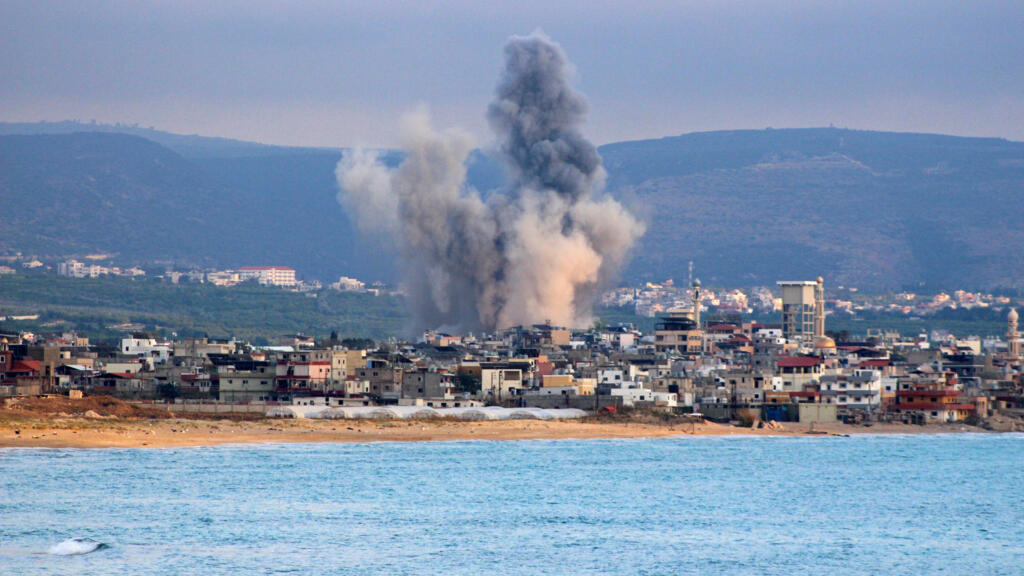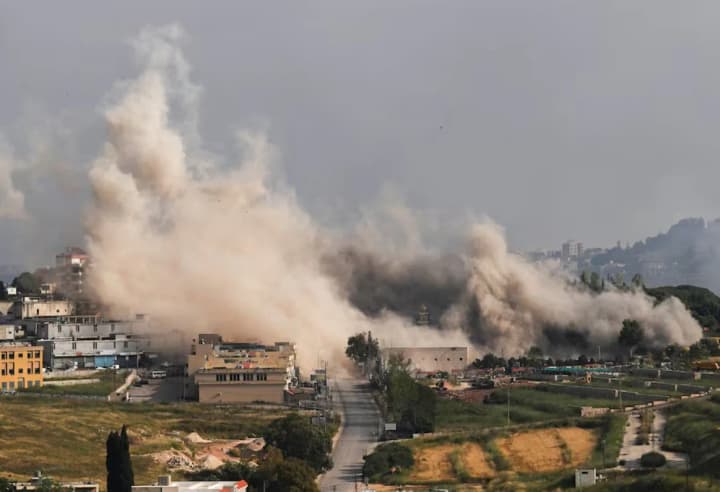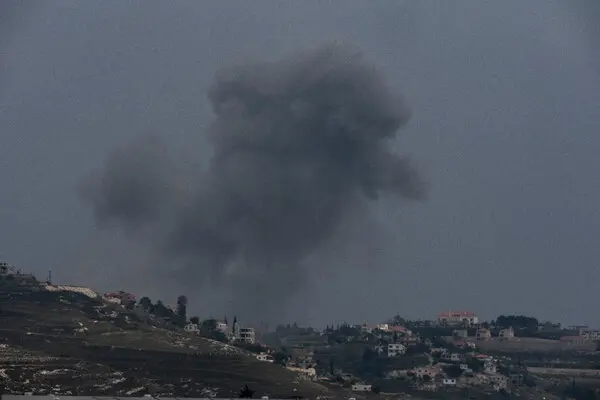
Israel struck the Lebanese capital, Beirut, for the second time since a ceasefire began last month, in an operation that the Israel Defense Forces (IDF) described as "targeted." The precision strike, which occurred around 14:00 local time (11:00 GMT), has intensified concerns about the stability of the temporary truce, which has already been extended twice. While the IDF did not immediately provide additional details on the operation, Israeli media, citing unnamed sources, reported the target was a high-ranking member of an Iranian militia. These reports identified the individual as Ali al-Husni, who is described as the head of the missile force within the Imam Hossein Division, an Iranian militia known for its alliance with Hezbollah. The Imam Hossein Division is a key Iranian-backed force operating in the region, and its alliance with Hezbollah shows the interconnected nature of the conflict. The strike on Beirut marks a significant development, as it represents the second such incident in the Lebanese capital since the ceasefire was initiated last month.
Escalation Amidst Ceasefire
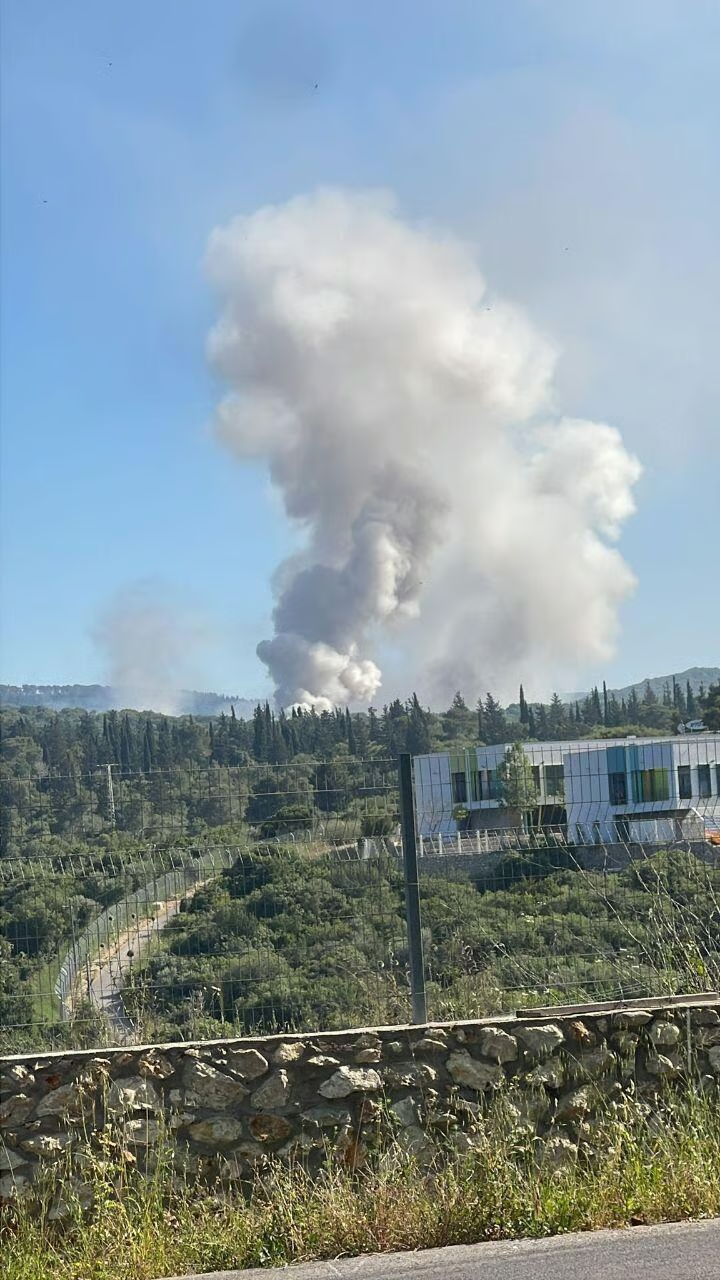
The Israel Defense Forces (IDF) indicated that Israel had previously avoided striking Beirut at the request of the United States, a diplomatic consideration that notes the international sensitivity surrounding operations in the Lebanese capital. The IDF added that the recent strike followed earlier Israeli operations targeting Hezbollah infrastructure in southern Lebanon, suggesting a broader campaign against the Iranian-backed group. These preceding strikes in the southern region had already signaled an escalation despite the ongoing ceasefire.
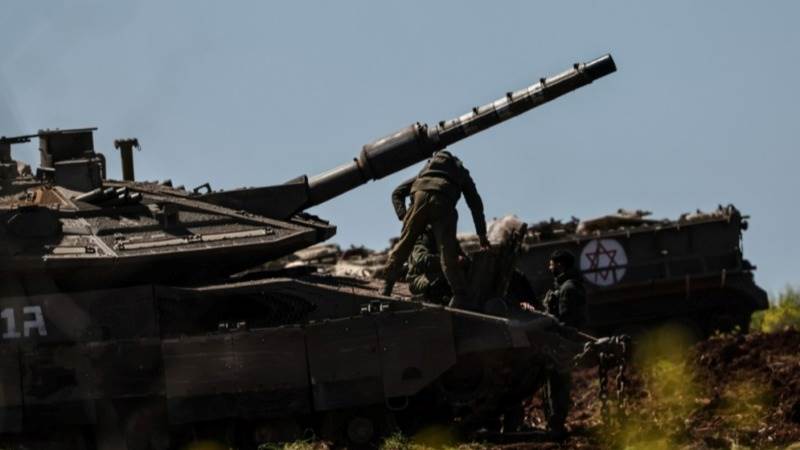
The strikes occurred after Israeli Prime Minister Benjamin Netanyahu announced an expansion of ground operations, a decision that has further fueled tensions. Mr. Netanyahu's statement cited Hezbollah drone attacks against both Israeli troops and civilians as the reason for this escalation, framing the expanded operations as a necessary response to ongoing threats. This declaration by Prime Minister Netanyahu provided a direct rationale for the intensified military actions observed in recent days.
In a related development on Wednesday, the IDF issued an advisory to residents in southern Lebanon, urging them to move north of the Zahrani River. The Zahrani River is located approximately 40km (25 miles) from the Israeli border, and the directive covered a substantial area. This advisory was accompanied by a stern warning of "extreme force" in the area, indicating a potential for intensified military activity. The scope of this evacuation order was significant, encompassing about 300 towns and villages, which collectively represent approximately 14% of Lebanese territory. This directive marked the largest such evacuation order issued since the initial ceasefire agreement came into effect, showing the severity of the anticipated operations. The explicit warning of "extreme force" served as a clear signal of the IDF's intent to conduct strong operations in the declared zone, further raising anxieties among the civilian population.
Broader Campaign and Casualties
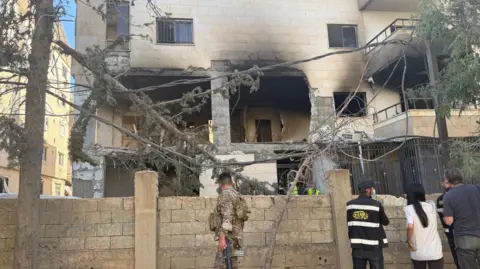
Following the strike in Beirut, thick smoke was observed over Dahieh, a Shia suburb and well-known Hezbollah stronghold in the Lebanese capital. The presence of smoke in this particular area reinforced reports that the strike had indeed occurred within a region associated with the Iranian-backed group. In the south of the country, the Lebanese health ministry reported that at least 11 people were killed in Israeli strikes on Tyre and an area east of the city early on Thursday. These casualties highlight the ongoing human cost of the conflict, even amidst a nominal ceasefire. A Hezbollah member in Tyre, speaking to the BBC, stated that rescue operations in the affected areas were halted due to dangerous conditions and explicit warnings from the Israeli military to evacuate, indicating the perilous environment faced by emergency responders. Further south, a missile struck a building in Saida around 02:40, hitting the roof and penetrating downwards, demonstrating the widespread geographic reach of the recent Israeli military actions. The nature of this strike, impacting a building in Saida, pointed to the precision and destructive potential of the munitions being used.
War's Human Toll and Civilian Plea
Wednesday's evacuation order, which covered 300 towns and villages and encompassed approximately 14% of Lebanese territory, represented the largest such directive since the ceasefire agreement was initially established. This extensive order showed the scale of the potential military operations and the displacement it would cause for a significant portion of the civilian population. Israeli officials claim Hezbollah's actions violate the temporary ceasefire, which has been extended twice, providing their justification for the expanded operations. Conversely, Lebanese officials consider Israeli strikes, such as those in Beirut and the south, as direct violations of the ceasefire, leading to a contention over which side is breaching the agreement. The attack in Saida, in addition to the structural damage, resulted in five deaths and 21 injuries, adding to the mounting casualty figures. Lebanon entered the war on March 2, following Hezbollah rockets fired into Israel in response to the killing of Iran's supreme leader, marking a definitive point in the conflict's escalation. The Lebanese health ministry reports over 3,280 deaths in Lebanon since the war began, painting a grim picture of the conflict's impact on the civilian population. Israel, for its part, states 23 soldiers and four civilians have been killed on its side during the same period, indicating the casualties sustained by both parties in the ongoing hostilities. The continued exchange of fire and the rising death toll on both sides show the fragility of the ceasefire and the persistent danger faced by civilians and combatants alike in the region.