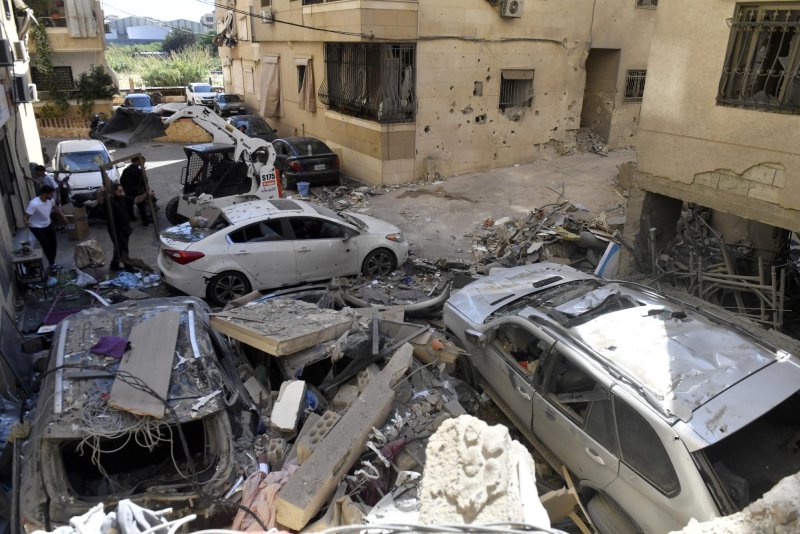
Israel conducted strikes in the Beirut area on Thursday, expanding its offensive at a time when a fragile ceasefire was reportedly in effect. This significant military action marked a notable escalation in the ongoing conflict between Israel and Hezbollah. The actions occurred as Lebanon and Israel were concurrently preparing for scheduled talks between their military delegations at the Pentagon on Friday. Further US-brokered talks are set to take place early next week, showing the diplomatic efforts underway despite the escalating military tensions. The strike near Beirut represents a significant development amid ongoing diplomatic efforts to de-escalate tensions, raising concerns about the stability of the region and the efficacy of the ceasefire.
The timing of the strike, during a period of supposed calm, has drawn considerable attention from international observers and regional powers alike. The ceasefire, which had been in place since April 17, was already considered fragile, and this latest incident further tested its durability. The decision by Israel to conduct operations in the Beirut area signals a widening of its offensive, moving beyond the usual border skirmishes and into more central Lebanese territory. This expansion of military activity has profound implications for the security landscape of Lebanon and the broader Middle East.
Escalation in South Lebanon
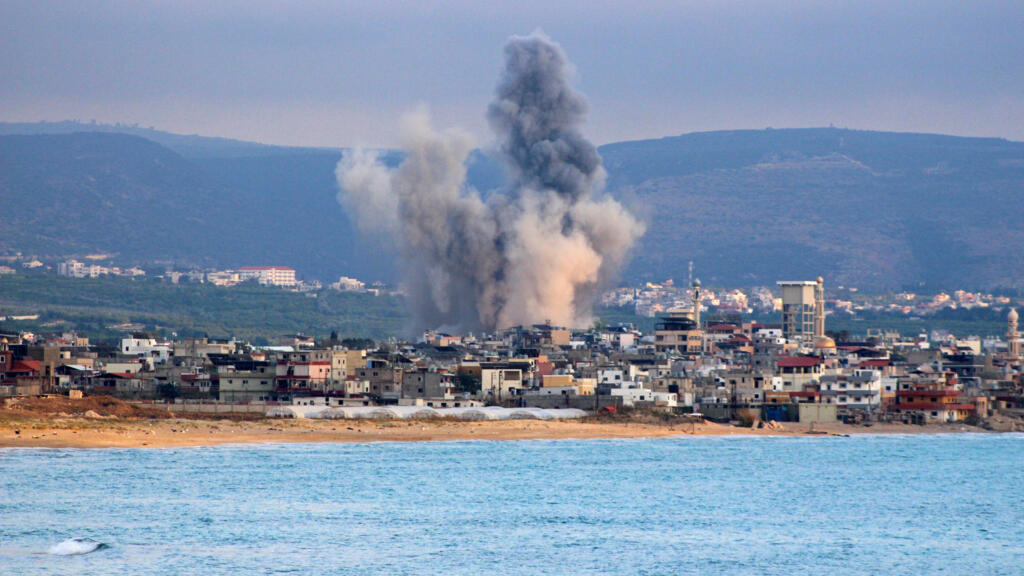
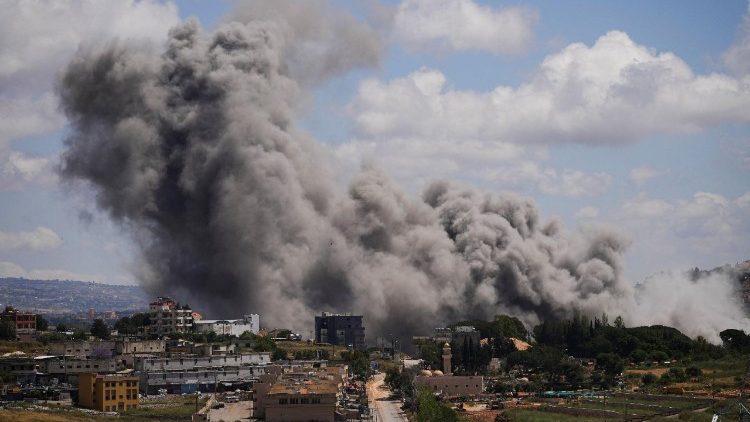
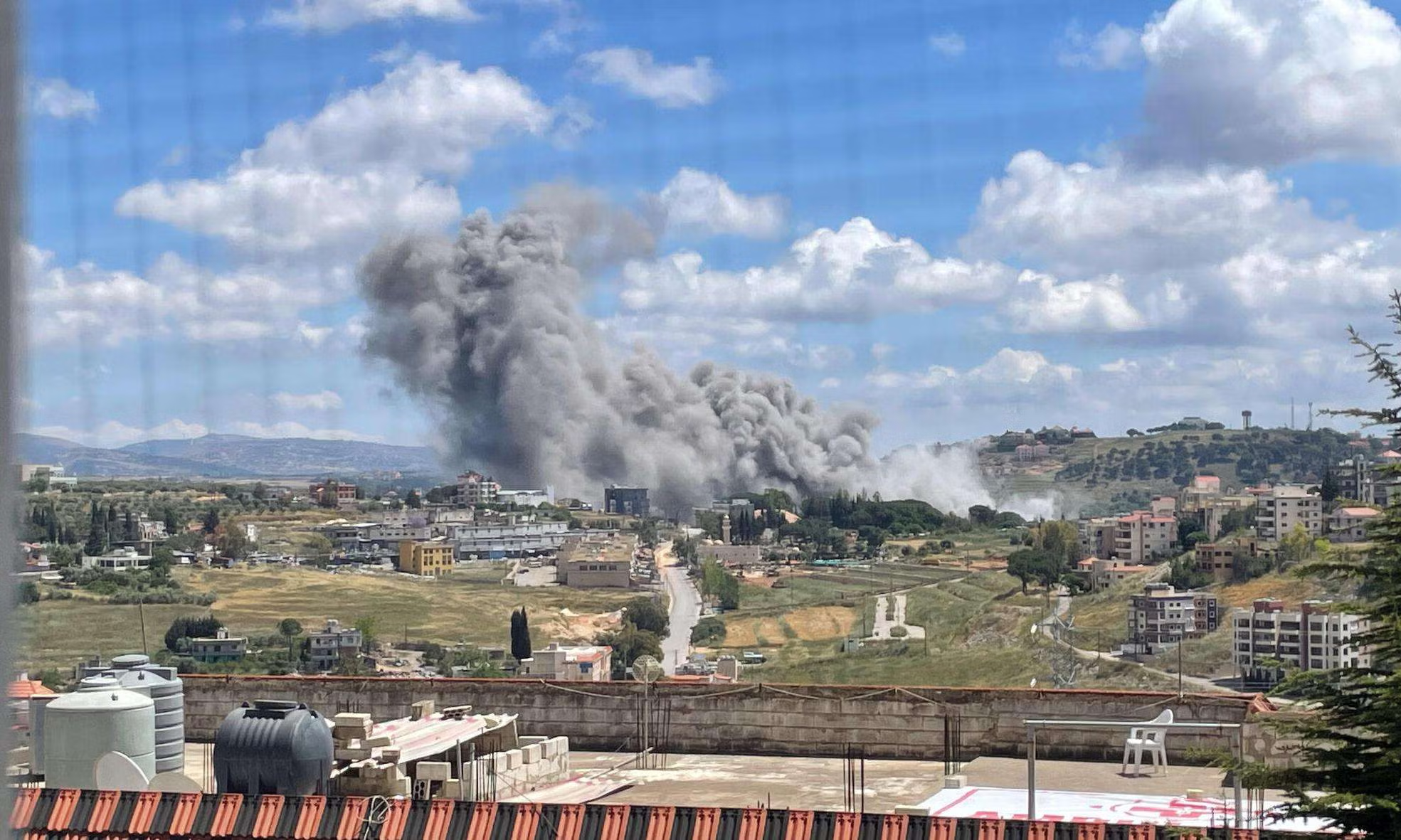
Prior to the Beirut strike, military actions had intensified considerably in southern Lebanon. On Wednesday, Israel's military declared all areas south of Lebanon's Zahrani River to be "combat zones" and instructed residents to evacuate. This declaration preceded a series of Israeli airstrikes that hit Tyre and Sidon early Thursday, indicating a clear intent to increase pressure on Hezbollah and its operational capabilities in the south. The strikes in these southern Lebanese cities resulted in multiple casualties, noting the severe human cost of the conflict.
One strike in Tyre resulted in the deaths of two Syrians, including a child, according to reports. This incident showed the impact of the conflict on civilian populations, including non-combatants and vulnerable groups. Another strike in Sidon killed five people, among them two women, further demonstrating the indiscriminate nature of some of the attacks. Further south, a strike on a vehicle in Adloun killed six people, including two children, their mother, and their father. This tragic incident illustrates the devastating consequences for families caught in the crossfire. Lebanon's military reported an additional strike that killed a soldier while he was driving in the Nabatieh region, indicating that even military personnel operating away from direct combat zones are at risk.
In response to these Israeli actions, Hezbollah claimed responsibility for approximately 20 attacks on Israeli troops in south Lebanon on Thursday. These retaliatory strikes demonstrate the tit-for-tat nature of the conflict, where each action by one side is met with a counter-action by the other, perpetuating a cycle of violence. The UNIFIL peacekeeping force in Lebanon reported a significant escalation in hostilities, stating that "Wednesday saw around 670 projectiles fired, the highest level since April 17." This figure notes a substantial increase in cross-border fire, indicating a serious breakdown in the fragile ceasefire that had been in effect. The sheer volume of projectiles exchanged points to a near-return to full-scale hostilities in the southern border region.
The human toll of the conflict has been substantial. Lebanon's health ministry has stated that Israeli attacks since April 17 have resulted in the deaths of 3,324 people. This figure represents a significant loss of life in a relatively short period, painting a grim picture of the conflict's impact on the Lebanese population. Israel's army, for its part, has reported that "approximately 2,500 Hezbollah terrorists have been eliminated" since March. An Israeli military official also noted that around 400 explosive drones had been launched at Israeli targets since the current truce began. These exchanges show the intensifying conflict in the region, characterized by both conventional military strikes and the use of advanced weaponry like drones. The statistics from both sides highlight the severe and ongoing nature of the conflict, with significant casualties reported by both Lebanese and Israeli authorities. The use of explosive drones by Hezbollah indicates an evolving tactical approach, posing a new challenge to Israeli defenses.
Beirut Strike Details
The recent strike near Lebanon's capital marked the first such incident in weeks, immediately drawing significant attention and concern. A Lebanese military source reported that an apartment south of Beirut was hit in the recent Israeli strike. The strike specifically "targeted an apartment in the Choueifat area," according to the Lebanese military source who spoke to AFP, providing a precise location for the attack. This level of detail from Lebanese authorities helps to confirm the nature and impact of the operation.
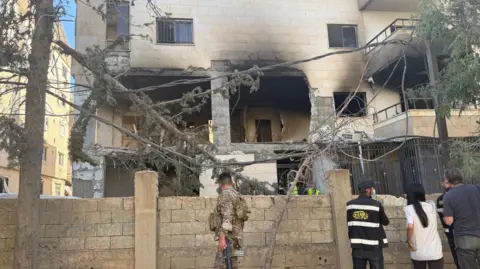
The attack caused significant structural damage, with the first two floors of a residential building impacted in the Beirut strike. Such damage to civilian infrastructure raises serious questions about the targeting protocols and potential collateral damage of the Israeli operation. Lebanese authorities confirmed that at least 14 people were killed as a result of the heavy strikes, a toll that included three children. The loss of life, particularly involving children, is a deeply tragic outcome and further fuels condemnation of the military action. The heavy toll shows the devastating impact of these strikes on civilian populations, even in areas considered relatively distant from the primary conflict zones along the border. The fact that a residential building in the Choueifat area, south of Beirut, was targeted and suffered such extensive damage, resulting in numerous fatalities, including children, has amplified calls for de-escalation and international scrutiny. This incident, being the first strike near Lebanon's capital in weeks, signifies a worrying expansion of the conflict's geographical scope.
Diplomatic and Political Context
The current escalation follows the outbreak of war between Israel and Hezbollah in early March, marking a significant deterioration in regional stability. This broader conflict has roots in long-standing tensions and has been exacerbated by recent events. Against this backdrop, Hezbollah's parliamentary bloc urged Lebanese authorities to withdraw from negotiations, citing concerns about Israel's intentions. The bloc stated that Israel was "seeking to impose security coordination to benefit its aggression," according to their official remarks. This position notes internal Lebanese divisions regarding engagement with ongoing peace efforts, with a powerful political and military actor like Hezbollah expressing deep skepticism about the negotiation process.
The call from Hezbollah’s parliamentary bloc to cease negotiations complicates the diplomatic landscape, making it more challenging for mediators to achieve a lasting resolution. The group's concerns about Israel's motives suggest a fundamental distrust that must be addressed for any talks to be successful. Meanwhile, Iran has consistently insisted that any agreement aimed at ending the broader regional conflict must also explicitly apply to Lebanon. This Iranian stance shows the interconnected nature of the various conflicts in the Middle East and suggests that a full resolution would need to address the Lebanese front, rather than treating it as an isolated issue. Iran's position as a key regional player and a significant supporter of Hezbollah means its views carry considerable weight in any peace process. Its demand for an inclusive agreement notes the complex web of alliances and rivalries that define the region's geopolitical landscape. The ongoing diplomatic efforts, including the upcoming talks at the Pentagon and the US-brokered discussions next week, are therefore navigating a highly charged political environment, with significant internal and external pressures.
Reactions and Resilience
The recent strike near Lebanon's capital marked the first such incident in weeks, drawing immediate reactions from various parties. Israel's military stated it "precisely struck in Beirut," acknowledging the operation and suggesting it was a targeted action. This admission by the Israeli military provides official confirmation of their involvement in the strike. This particular raid was the second of its kind since the truce officially came into effect on April 17, indicating a continued, albeit sporadic, military presence in the area despite ongoing ceasefire efforts. The previous strike also occurred after the truce date, reinforcing the notion that the ceasefire has been intermittently violated.
The repeated breaches of the ceasefire, particularly with strikes extending to the Beirut area, raise serious questions about the commitment of all parties to de-escalation. The resilience of the Lebanese population, particularly those in affected areas, continues to be tested by these ongoing military actions. The international community has largely called for restraint and a return to a stable ceasefire, recognizing the potential for this conflict to further destabilize an already volatile region. The continued diplomatic efforts, including the scheduled military delegation talks, represent a key avenue for de-escalation, even as military actions on the ground challenge the prospects for peace. The acknowledgment by Israel of its strike in Beirut, coupled with the details provided by Lebanese sources about the casualties and damage, shows the gravity of the situation and the urgent need for a full and lasting resolution to the conflict.