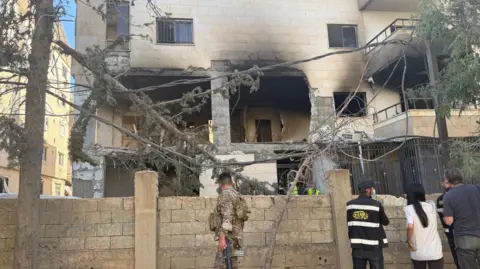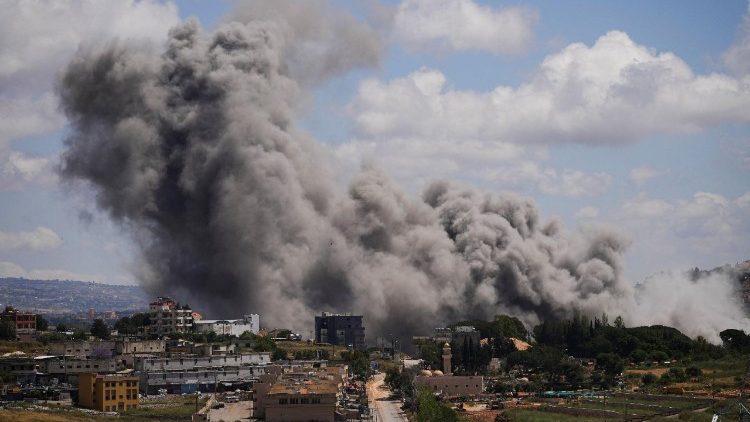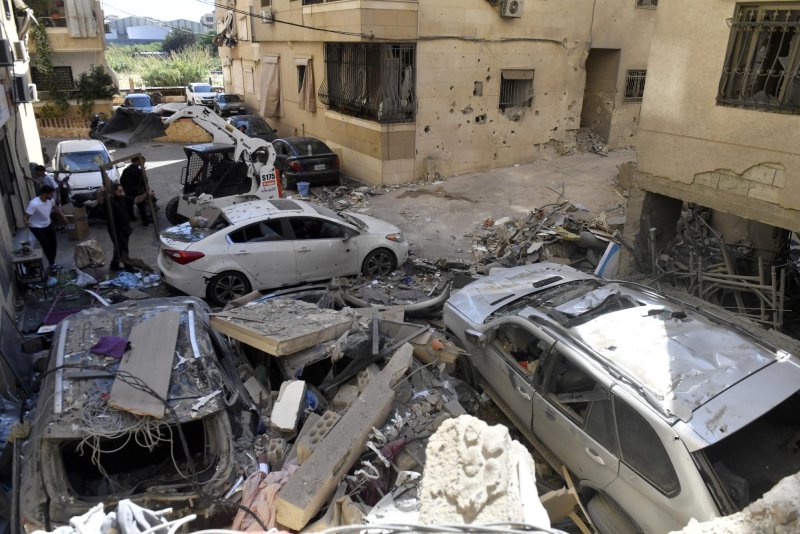
Israel resumed striking Beirut's southern suburbs on Thursday, with an apartment building in the Chouaifat area targeted, according to reports. The renewed military action comes as Lebanese and Israeli military officials are scheduled to hold security talks in Washington on Friday. The strikes in Beirut's southern suburbs mark an escalation in the ongoing regional tensions, drawing significant international attention. The Chouaifat area, where the apartment building was hit, is located within the broader southern suburbs of Beirut, a densely populated region. These developments precede high-level discussions aimed at addressing security concerns between the two nations, which are expected to take place at the Pentagon in Washington. These planned talks follow a period of heightened cross-border activity and significant military engagements. The strike on Thursday marked the first time in three weeks that Beirut's southern suburbs had been targeted, signaling a notable shift in the conflict's geographical scope.
Targeted Killings and Civilian Casualties
Initial reports from Beirut indicated at least one person was killed and others wounded in the Chouaifat area following the strike. Emergency services were reportedly dispatched to the scene to assess the damage and provide assistance to those affected. The precise number of casualties in Chouaifat was still being ascertained in the immediate aftermath of the attack, with rescue operations underway. The Israeli Army later confirmed it carried out a targeted attack there, stating the operation aimed to kill Ali al-Husseini, identified as a coordinator between Iran and Hezbollah within the "Imam Hussein Division." This specific targeting shows Israel's stated objective of neutralizing key figures within the organizations it considers hostile. The Israeli military statement emphasized the strategic importance of al-Husseini's role in coordinating activities between the two entities.
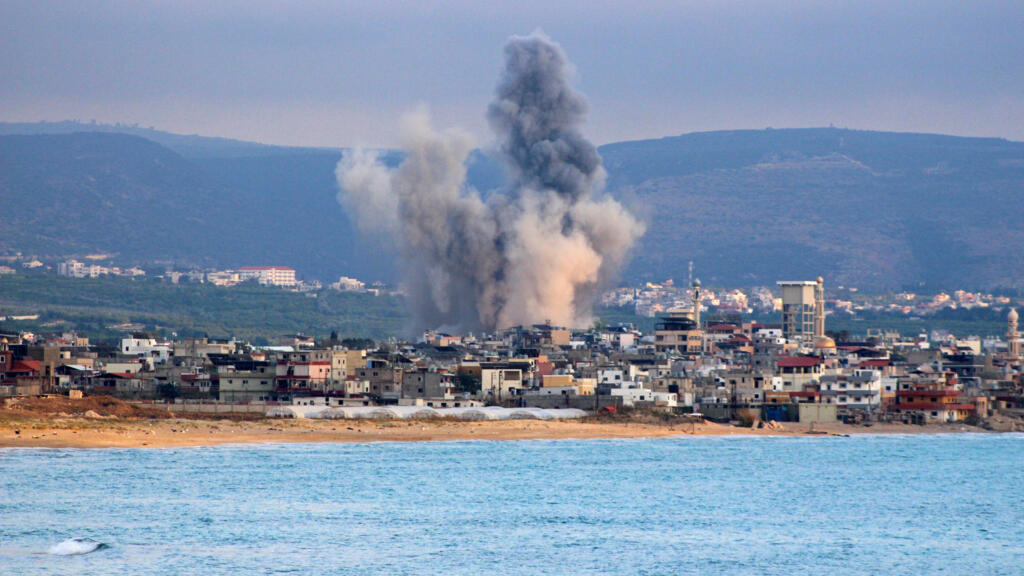
Earlier on Thursday, an Israeli strike hit a residential building in Sidon, a significant city on Lebanon's southern coast, resulting in five fatalities. Among those killed were two women and a reporter for Iran's Press TV, whose death immediately drew condemnation from media organizations. The same incident wounded 21 other individuals, including five children, noting the devastating impact of such strikes on civilian populations. The strike in Sidon caused extensive damage to the residential structure and surrounding properties, further escalating humanitarian concerns. Separately, a Lebanese Army soldier was killed in a strike that occurred in the Nabatiyeh district, a region that has seen intense exchanges in recent days. These incidents show the intensity of the ongoing military actions in Lebanon and the increasing toll on both combatants and non-combatants. The targeting of a residential building in Sidon and the death of a Lebanese Army soldier add to the growing list of casualties in the escalating conflict.
Escalation in Southern Lebanon
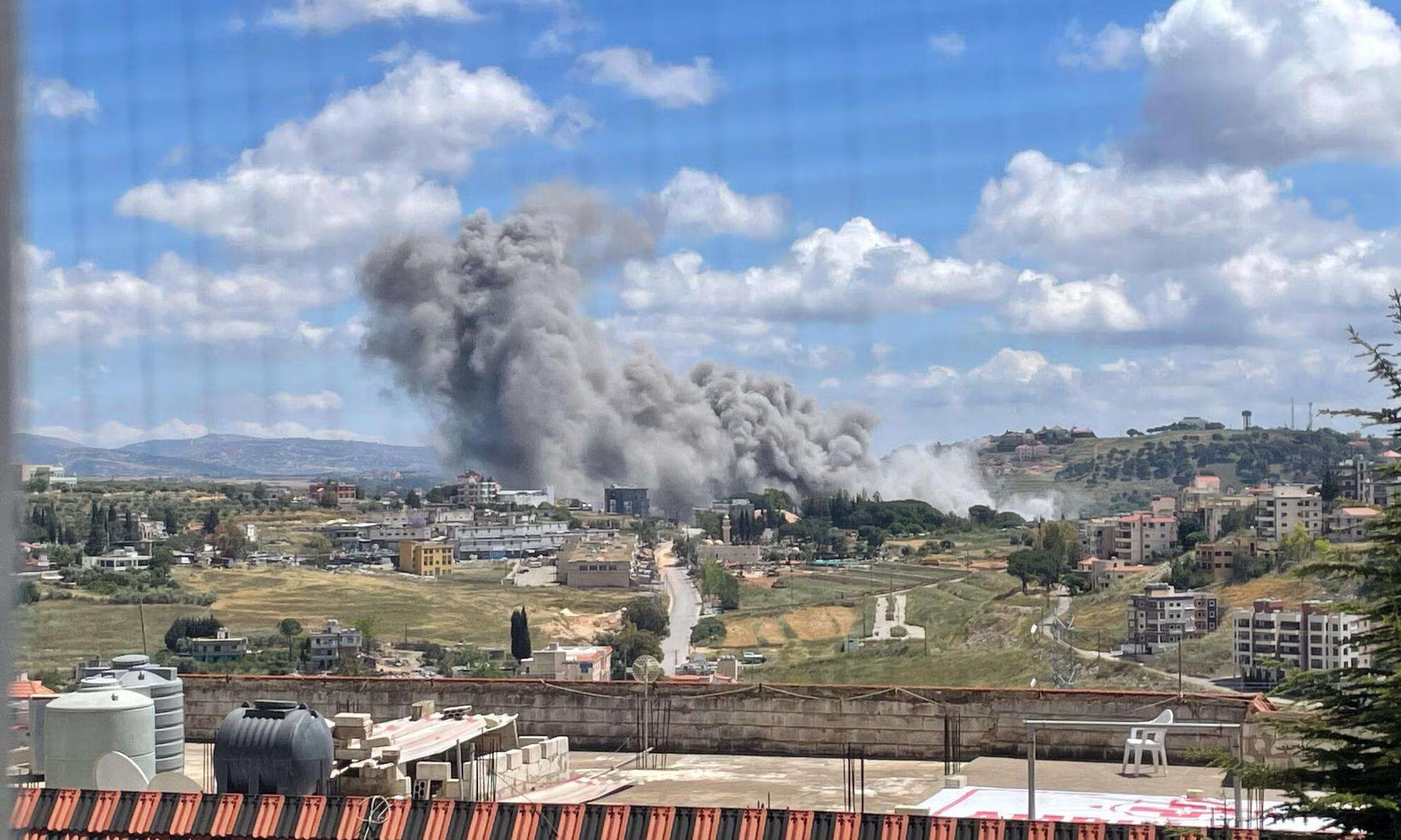
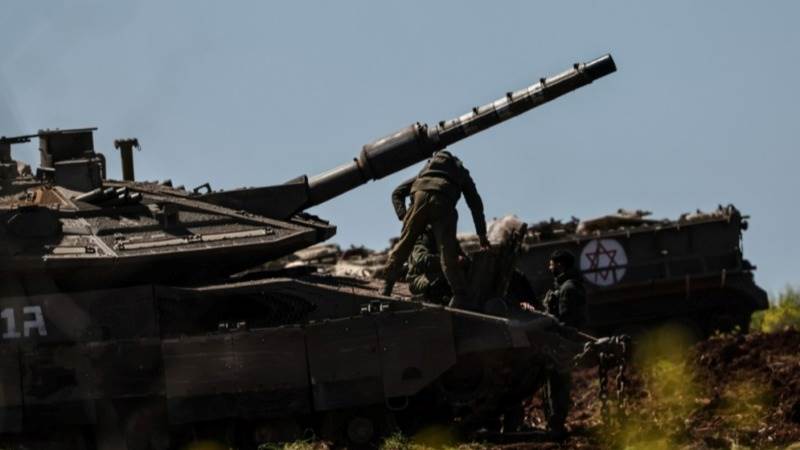
The Israeli Army stated it struck more than 135 Hezbollah targets over the past 24 hours, indicating a broad and sustained campaign against the Lebanese group's infrastructure and operatives. These targets reportedly included rocket launchers, military compounds, and operational sites used by Hezbollah. Hezbollah, for its part, reported its fighters continued to engage and prevent Israeli forces from advancing towards Zawtar al-Sharqiyah in the Nabiatiyeh district, a strategic area in southern Lebanon. The group's statements detailed sustained resistance against Israeli ground movements, suggesting ongoing confrontations along the border. These reports from both sides highlight the persistent and fierce clashes occurring in southern Lebanon, a region that has become a primary flashpoint in the conflict.
The United Nations Interim Force in Lebanon (UNIFIL) counted 670 projectiles fired on Wednesday, describing it as "the highest level" since April 17. This significant increase in projectile exchanges points to a severe intensification of hostilities. UNIFIL further noted that the previous day had seen "the heaviest impact" of the conflict, indicating a substantial escalation in both the volume and destructive power of the exchanges. The recent strike in Beirut's southern suburbs represented the second breach of the April 17 cease-fire agreement, a pact that aimed to de-escalate tensions and prevent attacks on specific areas. This repeated violation shows the fragility of existing agreements and the persistent challenges in maintaining stability in the region.
The April 17 cease-fire had been intended to spare Beirut from attacks, recognizing the potential for widespread civilian casualties and regional destabilization if the capital city became a direct target. This agreement was reportedly established at the request of former U.S. President Donald Trump, who sought to leverage diplomatic influence to mitigate the conflict's expansion. The involvement of a major global power like the United States in brokering such an agreement notes the international community's concern over the escalating violence. The explicit aim of the cease-fire was to create a buffer zone, preventing strikes from reaching Beirut and allowing for a measure of de-escalation. However, the recent strikes clearly demonstrate that this agreement has been severely tested and, in these instances, overtly breached.
UNIFIL Concerns and Diplomatic Context
Thursday's strike marked the first time in three weeks that Beirut's southern suburbs had been targeted, signaling a concerning geographical expansion of the conflict. The strike occurred ahead of a scheduled meeting at the Pentagon in Washington between Lebanese and Israeli military delegations, adding a layer of urgency and complexity to the diplomatic efforts. These talks are slated to be followed next week by two days of diplomatic negotiations between the two nations, indicating a multi-stage approach to de-escalation and conflict resolution. The discussions at the Pentagon are specifically intended to address consolidating the April 17 cease-fire and other security arrangements, aiming to reinforce the fragile peace and prevent further breaches. The subsequent diplomatic negotiations are expected to delve into broader security issues and potential long-term solutions for stability.
Separately, six people, including a displaced family of four, were killed when their car was hit by an Israeli strike in the coastal town of Adloun. This tragic incident further illustrates the profound human cost of the ongoing conflict, particularly for those already displaced by violence. The United Nations peacekeeping force in southern Lebanon (UNIFIL) expressed "deep concerns" over the recent escalation in the southern region. This statement from UNIFIL reflects the growing alarm within international humanitarian and peacekeeping organizations regarding the deteriorating situation. UNIFIL, which had previously noted that Wednesday saw "the highest level" of projectile firings since April 17, also stated that the previous day had seen "the heaviest impact" of the conflict, showing the severity and sustained nature of the recent hostilities. The peacekeeping force reiterated its call for all parties to respect their obligations under international law and to cease hostilities immediately to prevent further loss of life and destabilization. The upcoming talks in Washington are therefore seen as a critical opportunity to de-escalate the situation and re-establish a more strong framework for peace.