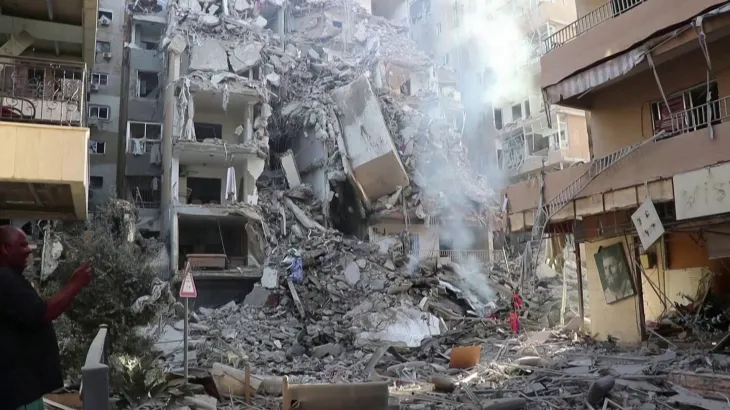
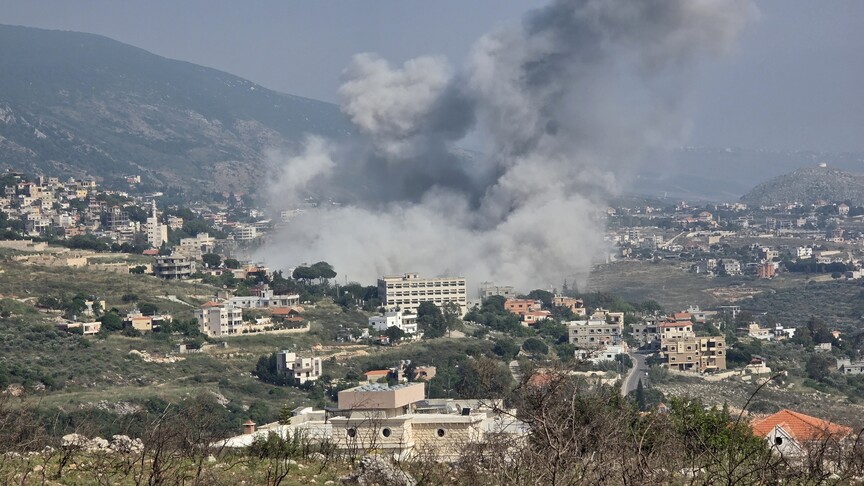
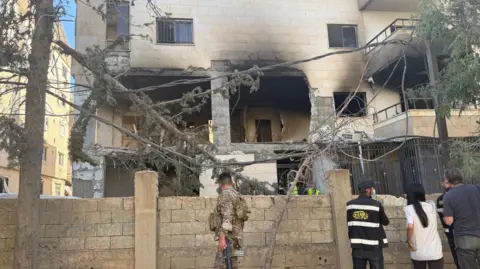
Strikes intensified in the south of Lebanon, leading to increased anxiety for individuals with family in the region. Lyda Dankha, an Australian resident, expressed concern for her relatives in Lebanon amid the heightened activity. The escalating violence and the constant threat of further conflict cast a long shadow over daily life, even for those far removed geographically. For individuals like Ms. Dankha, the news from the region is not just a headline but a deeply personal matter, directly impacting the well-being of loved ones. This distance, while offering physical safety, often amplifies feelings of helplessness and profound worry, as they are unable to directly intervene or offer immediate support to their family members caught in the turmoil. The reports of intensified strikes serve as a stark reminder of the precarious situation faced by many in Lebanon, fueling a persistent undercurrent of fear and apprehension among diaspora communities.
Echoes of Past Trauma
News of the recent strikes has brought the author back to April 8, recalling the shock of events that transpired on that specific day. The impact of ongoing developments frequently evokes memories of past traumatic experiences for individuals monitoring the situation from a distance. This connection often manifests as a renewed sense of anxiety and distress, even when physically removed from the immediate danger zones. The psychological toll of experiencing such events, even indirectly, can be significant, leading to a re-traumatization that colors their perception of current events. For many, the past is not merely history but an ever-present undercurrent, ready to resurface with each new report of violence or instability in their homeland. This constant emotional vigilance is a heavy burden, making it difficult to fully disengage or find lasting peace of mind. The echoes of previous conflicts resonate deeply, transforming current events into a powerful and often overwhelming emotional experience.
The Weight of Distance
The author of this piece identifies as Assyrian Lebanese, a background that often informs perspectives on events unfolding in the Middle East. This personal connection can intensify the experience of observing conflicts from afar, particularly when family or ancestral lands are directly impacted. For individuals with such ties, news of escalating tensions or violence can evoke a profound sense of helplessness and worry, even when geographically distant from the immediate danger zones. The emotional weight of these situations is frequently exacerbated by a feeling of responsibility or a desire to support those affected. This often translates into constant monitoring of news developments and maintaining close contact with family members in the region. The unique position of being an observer with deep personal links means that the emotional toll can be significant, shaping daily life and mental well-being. The constant awareness of the dangers faced by their community, coupled with their own safety, creates a complex emotional landscape. This duality often leads to feelings of guilt or frustration, as they grapple with the inability to bridge the physical gap and offer tangible assistance to those they care about most.
Broader Emotional Toll
The author, who identifies as Assyrian Lebanese, noted a personal disparity in safety. While physically secure themselves, they stated that their loved ones residing in the affected regions do not share the same sense of security. This distinction shows the emotional burden experienced by individuals monitoring distant conflicts when family members are directly exposed to the ongoing events. The geographical separation often intensifies feelings of helplessness and concern, particularly when direct intervention or support is limited. The prevailing sentiment among those observing from afar is frequently one of constant worry for the well-being of relatives in harm's way, even as they remain in a safe location themselves. This profound concern extends beyond immediate family to encompass the entire community and the broader cultural heritage tied to the land. The psychological impact of this sustained anxiety can be widespread, affecting sleep, concentration, and overall quality of life. For many, the sense of security in their adopted homes is perpetually undermined by the knowledge that their family and heritage remain vulnerable. The inability to reconcile their personal safety with the danger faced by their loved ones creates an ongoing emotional strain that defines their experience of the conflict.