Israeli and Lebanese military officials initiated direct talks in the United States on Friday, coinciding with intensified Israeli operations in southern Lebanon. These diplomatic engagements unfolded against a backdrop of significant military activity, with Israeli forces launching airstrikes and soldiers entering the village of Dibbine, which is located near Marjayoun town. The simultaneous progression of high-level diplomatic discussions in Washington and strong military actions on the ground shows the complex and volatile dynamics currently at play in the region. This dual approach notes the intricate challenges involved in managing the ongoing conflict and seeking pathways toward potential de-escalation, even as hostilities persist.
Escalating Military Actions
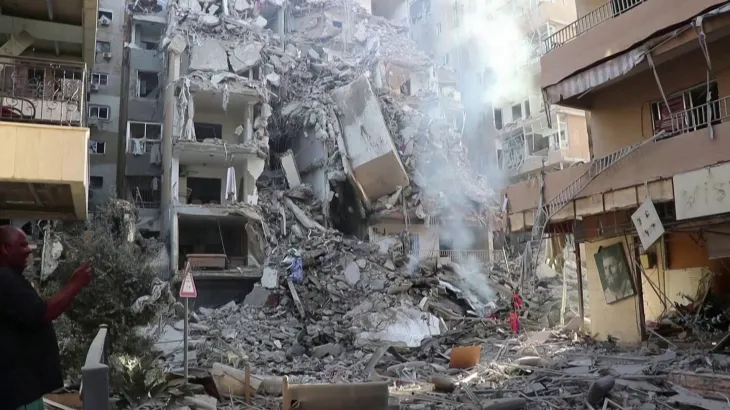
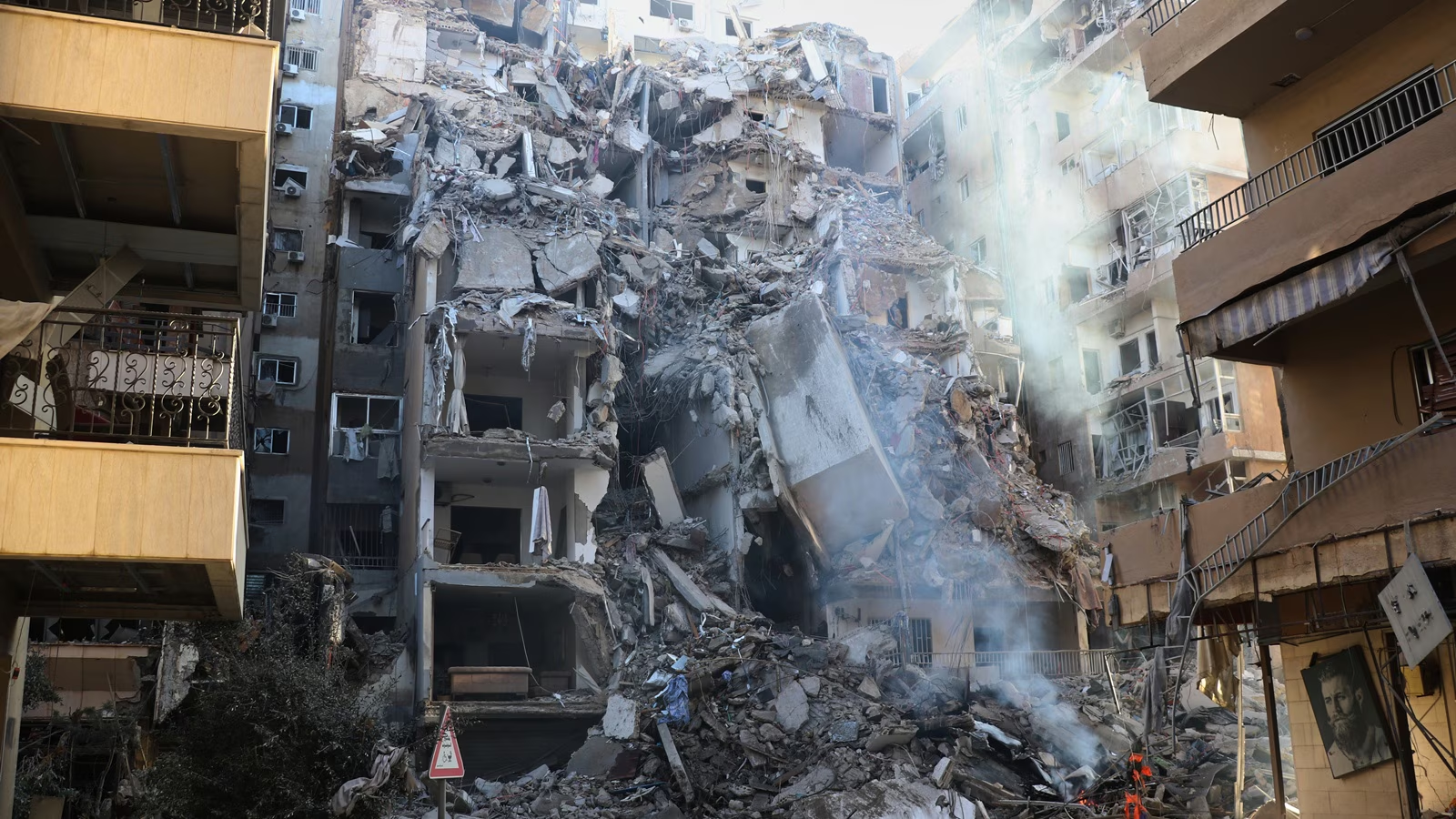
Israeli troops intensified their operations across various parts of southern Lebanon throughout the day. These actions included significant ground movements and aerial assaults, marking a substantial escalation in the conflict. Large areas to the south are now reported to be under Israeli military control, a development that raises concerns given the ceasefire that had been introduced in April. The recent military actions have resulted in several casualties, with at least six people confirmed killed in southern Lebanon. Specifically, five of these individuals died in the villages of Deir Qanoun al Nahr and Abbasiyeh, while a municipal policeman was tragically killed in Ebba. These incidents highlight the immediate and severe human cost of the ongoing military engagements.
In preparation for further engagements, the Israeli military issued multiple evacuation warnings for southern Lebanon on Friday. These warnings typically precede significant military maneuvers, urging civilians to leave areas that are expected to become active battle zones. Following these warnings, Israeli troops engaged in direct confrontations with Hezbollah fighters inside the villages of Yohmor and Zawtar al-Sahrqieh, both of which are situated near the city of Nabatieh. These ground clashes indicate a deeper penetration into Lebanese territory by Israeli forces. The strategic importance of these villages, located in close proximity to a major urban center like Nabatieh, suggests a deliberate and focused military strategy aimed at disrupting Hezbollah's operational capabilities and presence in the area. The intensity of these operations reflects a heightened state of conflict, with both sides actively engaged in combat.
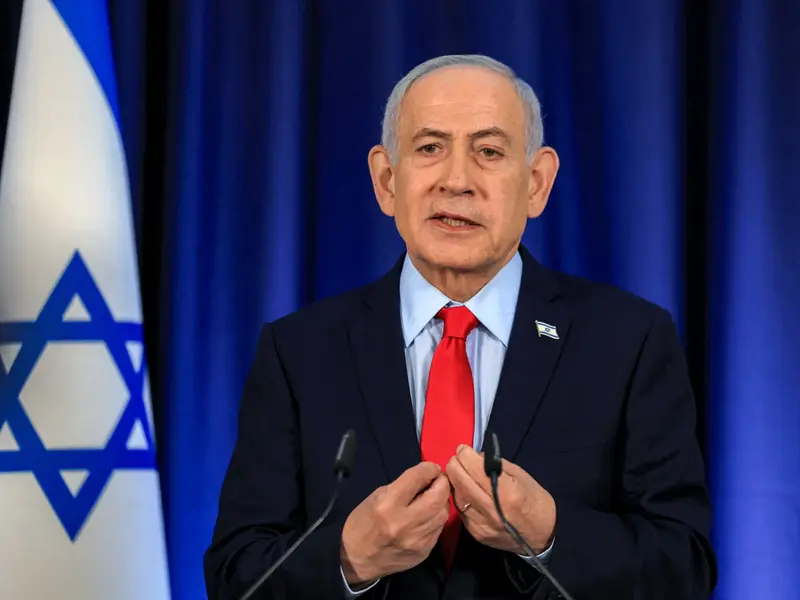
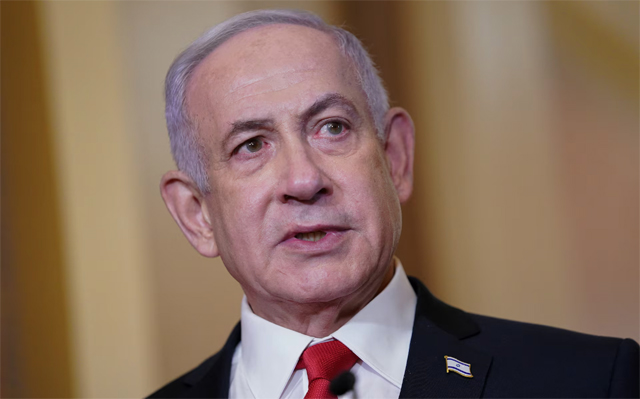
Israeli Prime Minister Benjamin Netanyahu visited the northern front on Friday to personally observe the ongoing operations and assess the situation firsthand. During his visit, he addressed the advancements made by Israeli forces and provided a strong statement regarding the scope of their activities. Netanyahu stated, "Our forces have crossed the Litani; they have advanced to controlling positions." This declaration signifies a substantial territorial gain and strategic achievement, as the Litani River has historically been a significant geographical marker in past conflicts. He further affirmed the broader scope and intensity of Israeli military activities, stating unequivocally, "We are operating in Beirut, in the Bekaa, across the entire width of the front, and we are dealing Hezbollah a crushing blow." This full statement from the Prime Minister shows Israel's intent to exert pressure on Hezbollah across multiple fronts, indicating a wide-ranging and aggressive campaign designed to significantly weaken the group's capabilities and infrastructure throughout Lebanon. The assertion of operations extending to Beirut and the Bekaa valley suggests a broad military strategy beyond just the southern border regions.
Diplomatic Engagements and Goals
Concurrently with the military escalation, a six-member Lebanese military delegation met with Israeli military officials at the Pentagon in the United States. This meeting marked a historically significant moment, as these were the first direct military talks between the two countries in decades. The Pentagon, which hosted these sensitive discussions, described them as "productive," indicating a positive initial assessment of the dialogue. The primary focus of these talks, according to the Pentagon, was on establishing practical frameworks for regional security and stability. This suggests an effort to create mechanisms for de-escalation, communication, and potentially long-term arrangements to prevent future conflicts. Notably, Hezbollah, a significant and influential actor in the region and a direct party to the ongoing conflict, did not participate in these discussions. Their absence notes the complex and multi-faceted nature of the conflict, where diplomatic channels may not always include all key stakeholders.
A senior Lebanese military official provided insight into the delegation's primary objectives for the talks. The official stated that a key goal was to make the ceasefire, which had come into effect on April 17, full. This indicates a desire to solidify and expand the terms of the existing ceasefire, ensuring its full implementation and adherence across all areas of conflict. The delegation intended to request the reactivation of the committee responsible for monitoring the enforcement of a previous US-brokered ceasefire. This earlier agreement had successfully halted the war between Israel and Hezbollah in late 2024, demonstrating a precedent for effective diplomatic intervention. The request to reactivate this monitoring committee shows Lebanon’s commitment to established diplomatic mechanisms and its hope that these frameworks can again contribute to stabilizing the volatile border region. The emphasis on revisiting past successful agreements suggests a pragmatic approach to conflict resolution, seeking to leverage proven methods for achieving peace.
Meanwhile, amidst the ongoing military and diplomatic maneuvers, Lebanon President Joseph Aoun’s office received a call on Friday from US Secretary of State Marco Rubio. This high-level diplomatic outreach from the United States signals Washington's deep engagement and concern regarding the escalating situation. Such calls often involve discussions on de-escalation, humanitarian aid, and potential pathways for diplomatic resolution, showing the international community's efforts to mitigate the conflict. Separately, Hezbollah legislator Hassan Fadlallah made a significant statement on Friday, asserting that any deal reached between US and Iran negotiators would effectively halt Israel’s offensive in Lebanon. This claim notes the perceived interconnectedness of regional conflicts and the belief that a broader geopolitical agreement involving major powers could directly impact the local dynamics of the Israel-Lebanon front. It suggests that Hezbollah views the conflict as part of a larger regional power struggle, with its resolution potentially tied to wider diplomatic efforts involving Iran.
Broader Conflict Context
The latest conflict between Israel and Hezbollah has exacted a devastating toll, resulting in significant casualties and widespread displacement within Lebanon. The human cost of these hostilities is stark, with figures indicating that the war has left 3,200 people dead in Lebanon. This substantial number shows the severe impact of the conflict on civilian populations and combatants alike. Beyond the fatalities, the hostilities have also led to the displacement of over 1 million people across the country. This mass displacement represents a profound humanitarian crisis, forcing countless individuals and families to abandon their homes and seek safety elsewhere, often in precarious conditions. These figures collectively show the extensive human cost and the severe socio-economic disruption caused by the ongoing military engagements in the region, painting a grim picture of the conflict's broad consequences on the Lebanese population. The scale of the casualties and displacement notes the urgent need for a lasting resolution to the hostilities.