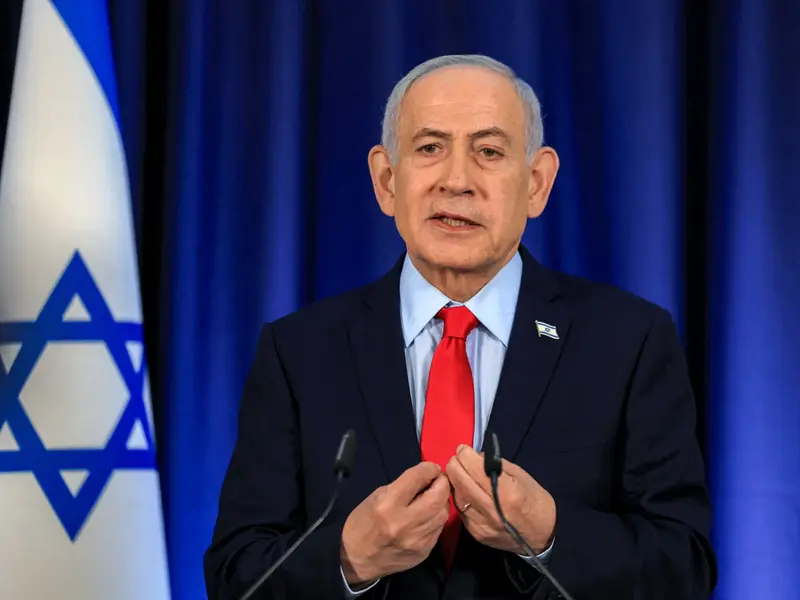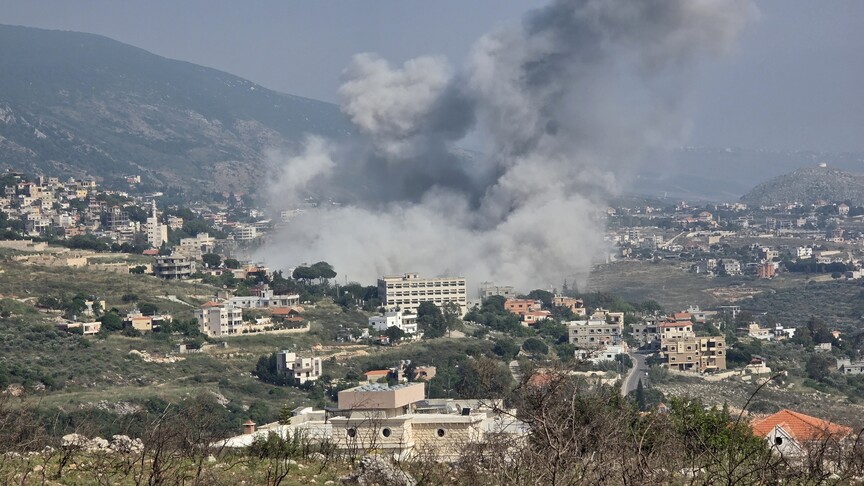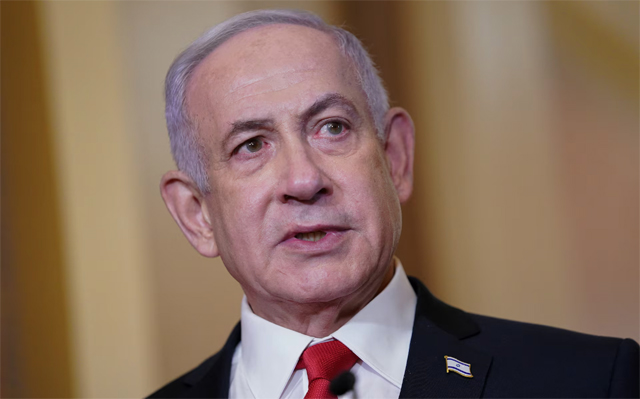
Israeli Prime Minister Benjamin Netanyahu announced Friday that his country's forces had pushed deeper into Lebanon, advancing beyond a river approximately 30 kilometres (20 miles) north of the Lebanon-Israel frontier. This significant advance marks a new phase in the ongoing conflict, bringing Israeli troops further into Lebanese territory than in previous operations. Overnight, Israeli troops reached the outskirts of the southern town of Debbine, where eight people were reportedly wounded in Israeli strikes. The push into Debbine shows the intensifying military engagement in the region, raising concerns about civilian safety and the broader humanitarian impact.
"Our forces have crossed the Litani, they have moved up to the commanding terrain," Netanyahu stated, confirming the military's operational success and adding that Israel was "hitting Hezbollah head on." This declaration from the Israeli Prime Minister notes the strategic objectives of the current offensive, targeting the capabilities and presence of Hezbollah within Lebanon. Meanwhile, Lebanese President Joseph Aoun, in a call with US Secretary of State Marco Rubio, emphasized "the need to exert all efforts to reach a ceasefire," according to his office. President Aoun's urgent appeal reflects the growing international concern over the escalating violence and the desire to de-escalate the conflict through diplomatic means.
Escalation on the Ground
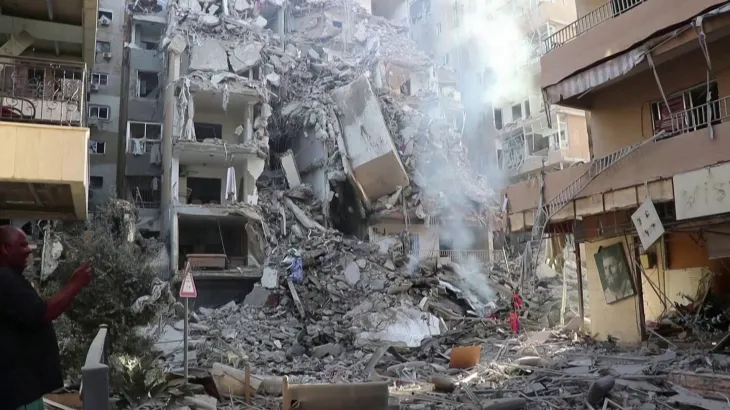
The ground operations are complemented by widespread aerial assaults. Lebanon's state-run National News Agency (NNA) reported Israeli airstrikes on more than 20 locations in the south, indicating widespread military activity across a broad geographical area. These sustained attacks contribute to a rising casualty count in the country. Israeli attacks have killed more than 3,355 people in Lebanon since the war began on March 2. The human toll continues to mount, affecting both combatants and civilians alike. The United Nations children's agency UNICEF stated that 15 children had been killed over the past week, with a total of 55 children killed since the ceasefire announcement. These figures show the devastating impact of the conflict on the most vulnerable populations. The UN agency's report serves as a stark reminder of the humanitarian crisis unfolding amidst the military operations.
Further escalating the situation, Israel's military declared all areas south of the Zahrani River as 'combat zones' and instructed residents to evacuate. This declaration impacts a significant portion of southern Lebanon, extending the conflict's reach and displacing a large number of civilians. The Zahrani River is located approximately 40 kilometres (25 miles) north of the Israel-Lebanon border, meaning the newly designated combat zone extends considerably inland from the frontier. The Israeli military's announcement signals a potential expansion of ground operations into previously less affected regions, prompting fears of further displacement and humanitarian challenges. The directive for residents to evacuate suggests an expectation of intensified military engagements in these newly designated areas, further disrupting civilian life and infrastructure.
Diplomatic Efforts in Washington
Despite the intensifying military actions, diplomatic channels remain open. Israel and Lebanon began direct talks in April, aiming to de-escalate tensions and address security concerns. These discussions represent a key, albeit challenging, effort to find a political resolution amidst the ongoing hostilities. A fourth round of these discussions is anticipated next week in Washington, according to sources familiar with the negotiations. The upcoming talks highlight the persistent commitment of international mediators to facilitate dialogue between the warring parties. The ongoing diplomatic efforts come as military operations intensify on the ground, creating a complex backdrop for negotiations.
Lebanon's military delegation for Friday's talks includes six officers, led by the army's director of operations, Georges Rizkallah. The composition of this delegation, with senior military figures, shows the technical and security-focused nature of the discussions. These talks are part of a broader US-mediated initiative to establish a lasting security framework between the two nations. The United States has been actively involved in trying to broker a more stable arrangement for the volatile border region. The discussions have focused on various proposals for a demilitarized zone along the border and arrangements for troop deployments. These proposals aim to create a buffer and reduce the likelihood of future cross-border confrontations, addressing core security concerns for both Israel and Lebanon.
The diplomatic track continues despite the recent Israeli military advancements deeper into Lebanese territory and the declaration of areas south of the Zahrani River as 'combat zones'. This simultaneous pursuit of military objectives and diplomatic engagement illustrates the multifaceted nature of the current conflict. The engagement in Washington reflects a persistent effort by the United States to facilitate a resolution amidst escalating hostilities. The US role is seen as critical in maintaining any semblance of dialogue between the adversaries. The composition of the Lebanese delegation shows the military-technical nature of a significant portion of these negotiations, indicating that practical security arrangements are a primary focus.
Voices from the Conflict
As diplomatic efforts unfold, the immediate human cost of the conflict remains stark. Israeli and Lebanese military delegations were holding security talks in Washington, aiming to chart a path towards de-escalation. Concurrently, Israeli strikes on Friday in three areas of Tyre, located in southern Lebanon, killed 11 people, including a rescuer, according to the country's health ministry. This incident shows the direct and tragic impact of the ongoing military operations on civilian populations and those attempting to provide aid. The loss of a rescuer notes the extreme dangers faced by humanitarian workers in the conflict zone.
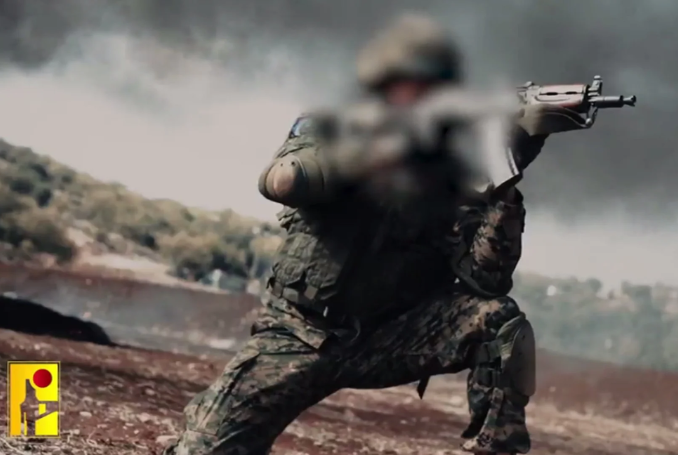
Hezbollah, a key player in the conflict, stated it launched attacks targeting soldiers, barracks, and a military camp in northern Israel on Friday. These retaliatory actions demonstrate the continued back-and-forth nature of the fighting, with both sides conducting offensive operations. The targeting of military installations by Hezbollah indicates their intent to inflict casualties and disrupt Israeli military operations. Brigadier General Amichai Levin, head of the strategic division within the Israeli army's planning directorate, is participating in the ongoing discussions in Washington. His presence at the talks signals Israel's commitment to exploring diplomatic avenues even as military operations continue, bringing a high-level military perspective to the security negotiations. The involvement of such a senior military official indicates the gravity with which Israel views these security discussions and the potential for long-term arrangements.