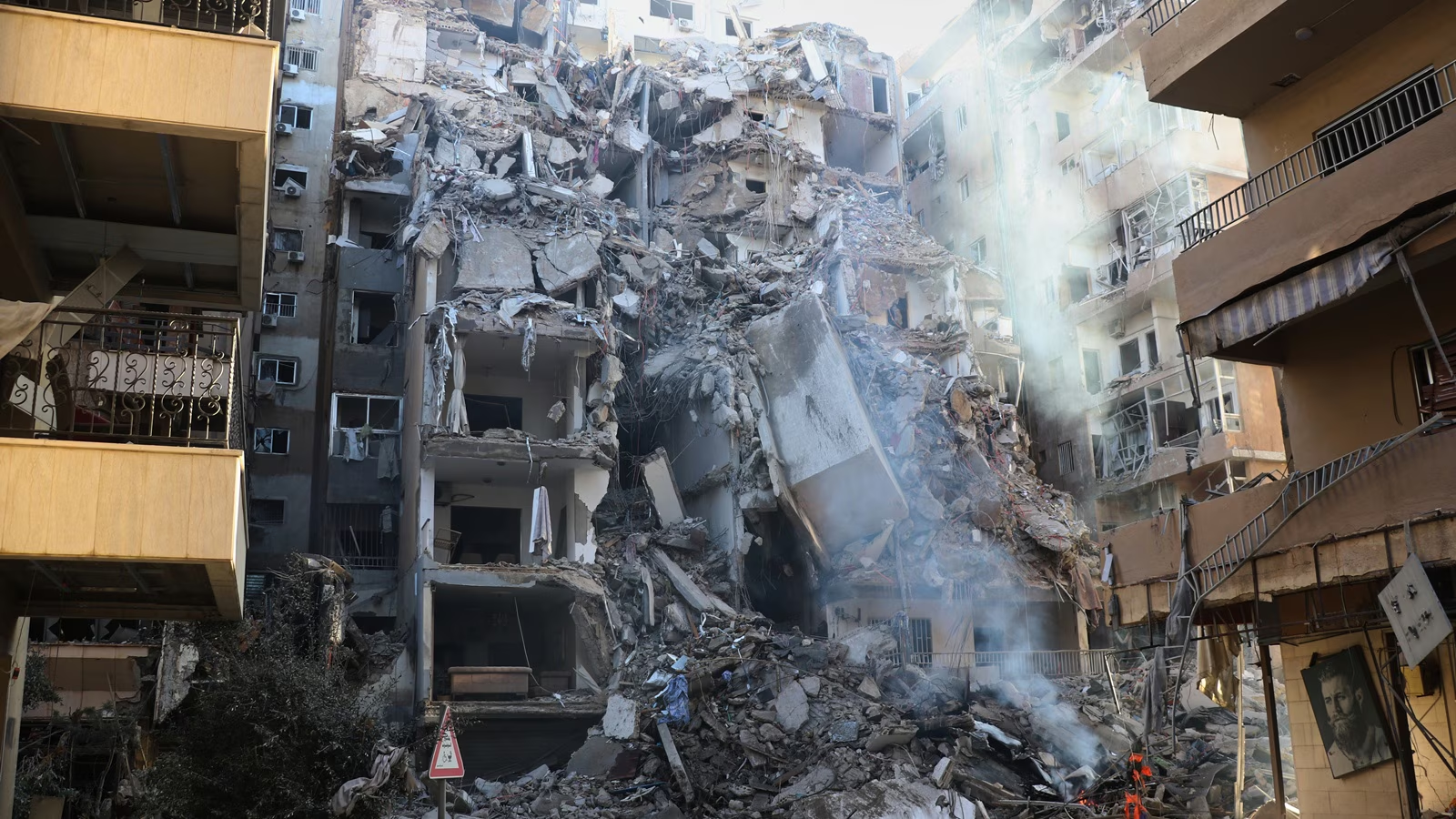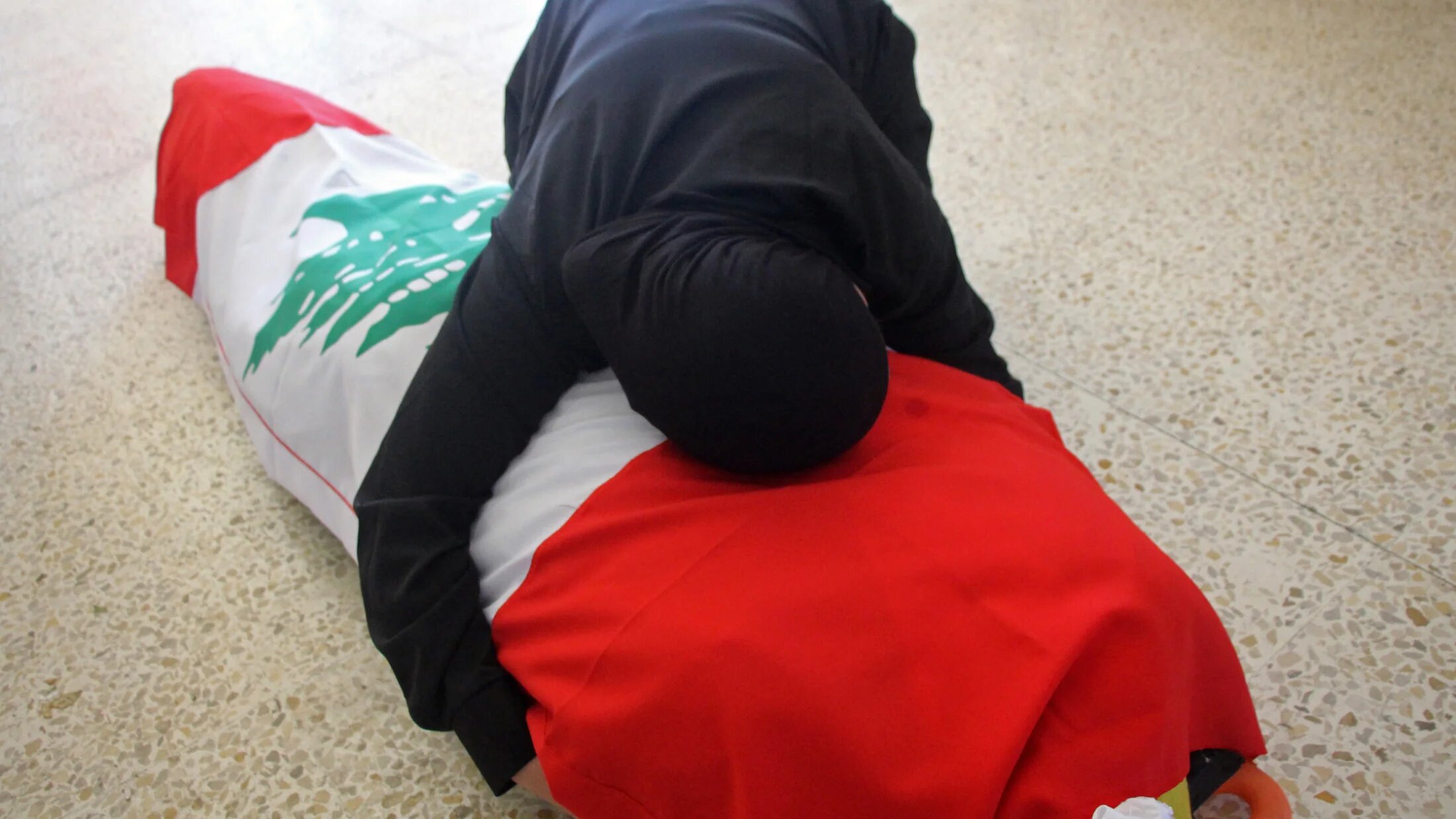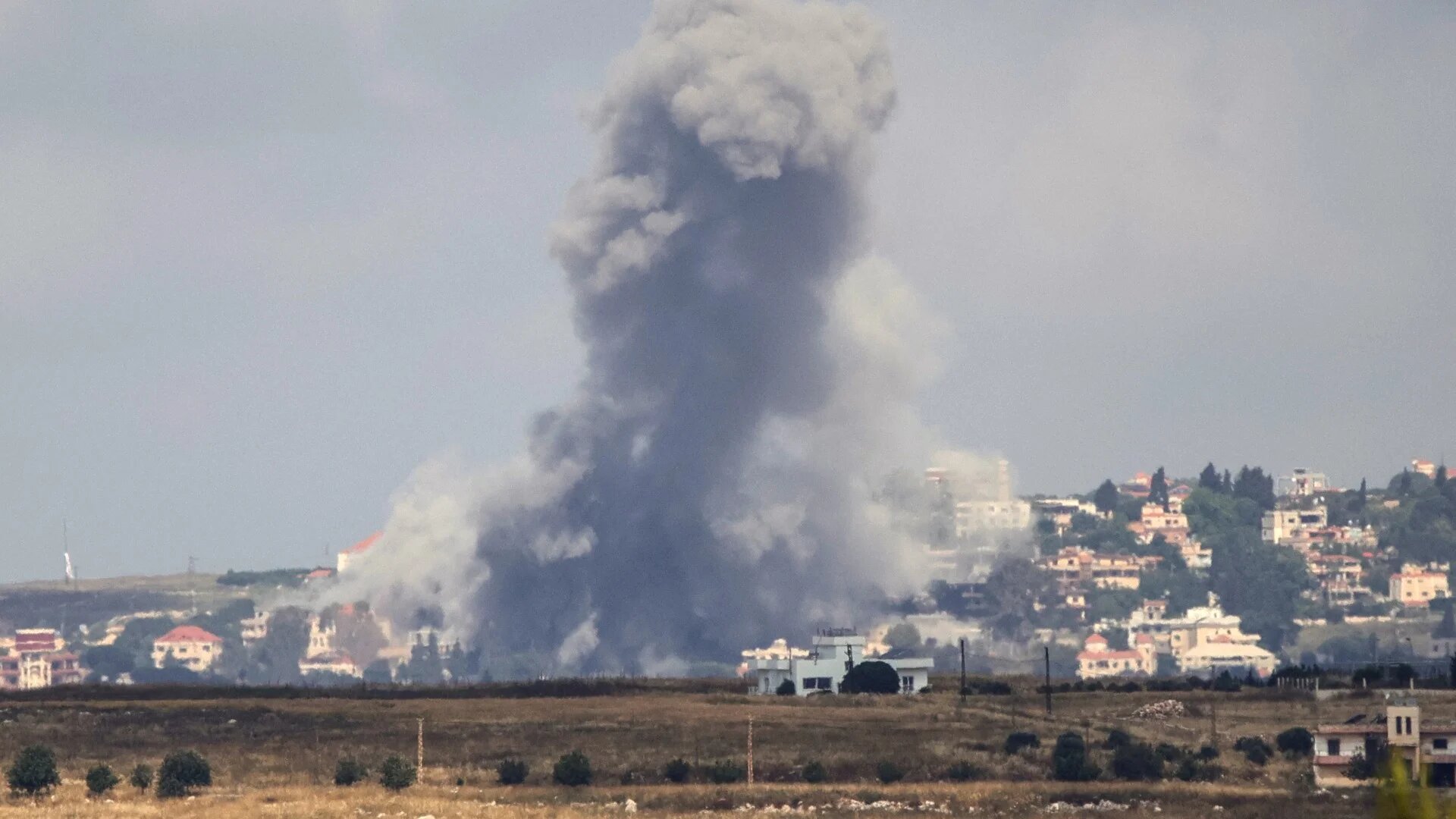
Israeli newspaper Haaretz reported growing frustration within the Israeli army regarding its exclusion from negotiations between Washington and Tehran. Officers quoted by Haaretz expressed concerns that a potential withdrawal from Lebanon would be "no less dangerous and complex than the invasion itself." This report, appearing as an entry in the "Iran war live" blog, specifically under the update titled "Haaretz: Lebanon withdrawal seen as no less dangerous than invasion," notes the army's apprehension about the complexities of disengagement. The report shows a significant disconnect between military planners and political decision-makers concerning critical regional strategies.
Growing Military Frustration
Officers within the Israeli army feel the military has been left out of discussions that could directly affect operations in Lebanon, according to sources familiar with the internal sentiment. This exclusion from high-level negotiations, particularly those involving Washington and Tehran, is reportedly a significant point of contention among military leaders. The army's concerns stem from the potential implications of these talks on its strategic posture and operational readiness in the region. Military officials are apprehensive that decisions made without their direct input could complicate future security challenges. The reported frustration notes a perceived disconnect between the political and military spheres regarding critical regional policy, particularly concerning the future of Israeli military presence and operations in Lebanon. Officers believe their operational expertise is being overlooked in high-stakes diplomatic exchanges.
Concerns Over Withdrawal Risks
The Israeli army is concerned about the possibility of being ordered to withdraw from Lebanon "under enemy fire," according to reports. Military strategists are reportedly assessing the operational complexities and potential risks associated with such a scenario. Officers quoted by Haaretz reportedly warned that the withdrawal process would be 'no less dangerous and complex than the invasion itself'. A withdrawal under hostile conditions could present significant challenges for troop safety and logistical execution, potentially leading to increased casualties and strategic setbacks. The army's fears show the volatile nature of the security situation in Lebanon and the potential for any disengagement to be met with resistance from various armed groups. Such an operation would necessitate careful planning to mitigate casualties and ensure an orderly pullout, a prospect that military officials view with apprehension. The concern notes the perceived dangers that extend beyond the initial invasion, encompassing the entire operational cycle, including potential future withdrawals, which military strategists believe could be fraught with peril.
Exclusion from Negotiations
The Israeli army reportedly feels excluded from key negotiations concerning the region, particularly those involving Washington and Tehran. This sentiment is a source of growing frustration within military ranks, according to sources familiar with the internal discussions. Officers are concerned that decisions made in these high-level talks, without their direct involvement, could have significant implications for military operations in Lebanon. The perceived lack of consultation is seen as potentially complicating strategic planning and operational readiness, as military leaders believe their on-the-ground experience is vital for informed policy-making. Military officials expressed apprehension that policy shifts might be implemented without fully appreciating the on-the-ground complexities faced by Israeli forces, potentially endangering personnel or compromising strategic objectives. This exclusion from key diplomatic processes is viewed by some within the army as a disconnect between political and military decision-making regarding regional security, leading to fears that military considerations are not adequately represented in critical international discussions. The absence of military voices in these sensitive talks is seen as a serious oversight that could have long-term consequences for Israel's security posture in the Levant.