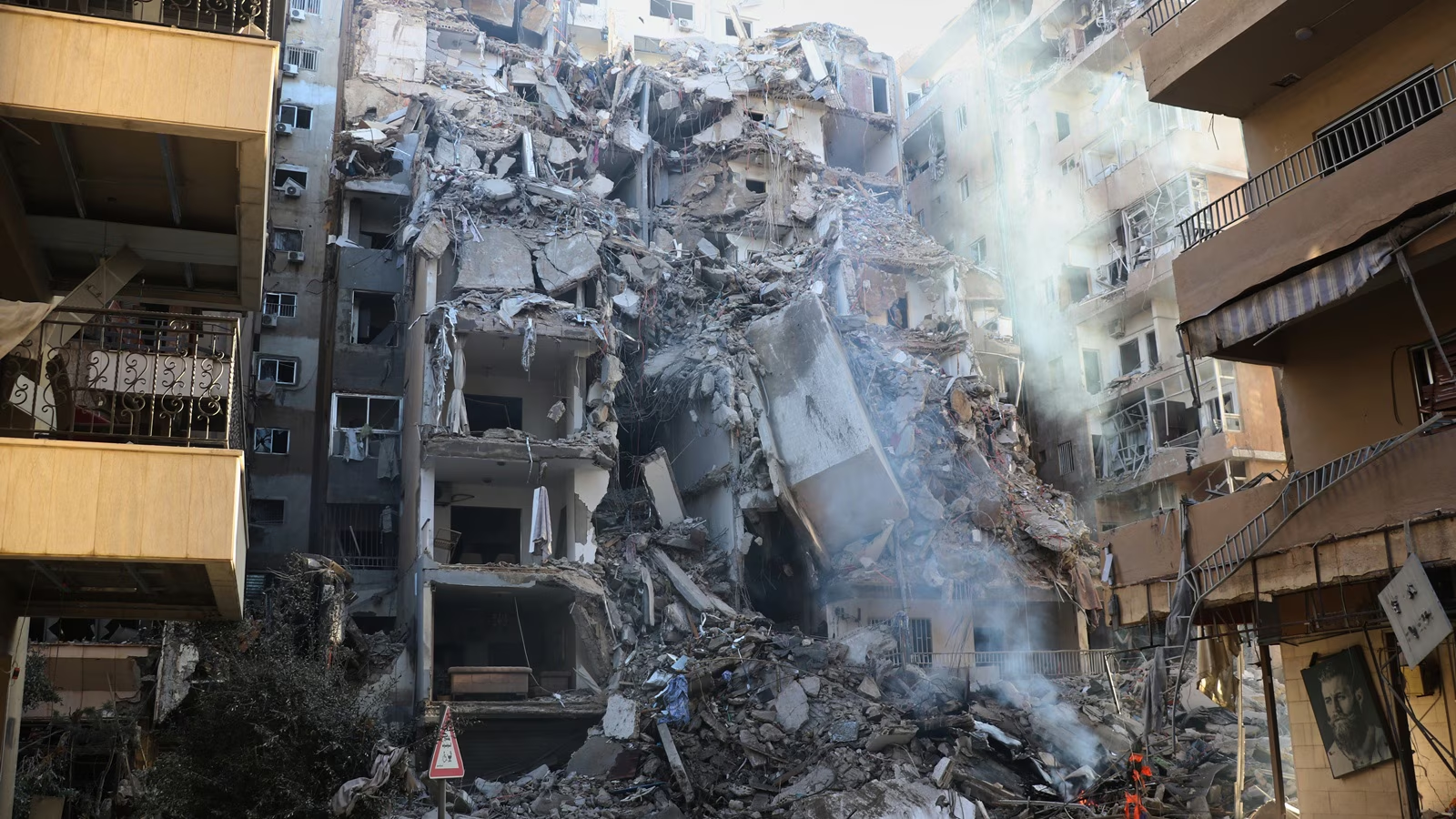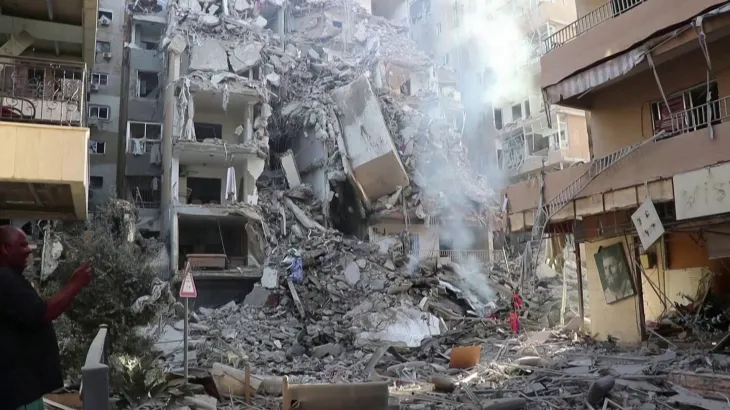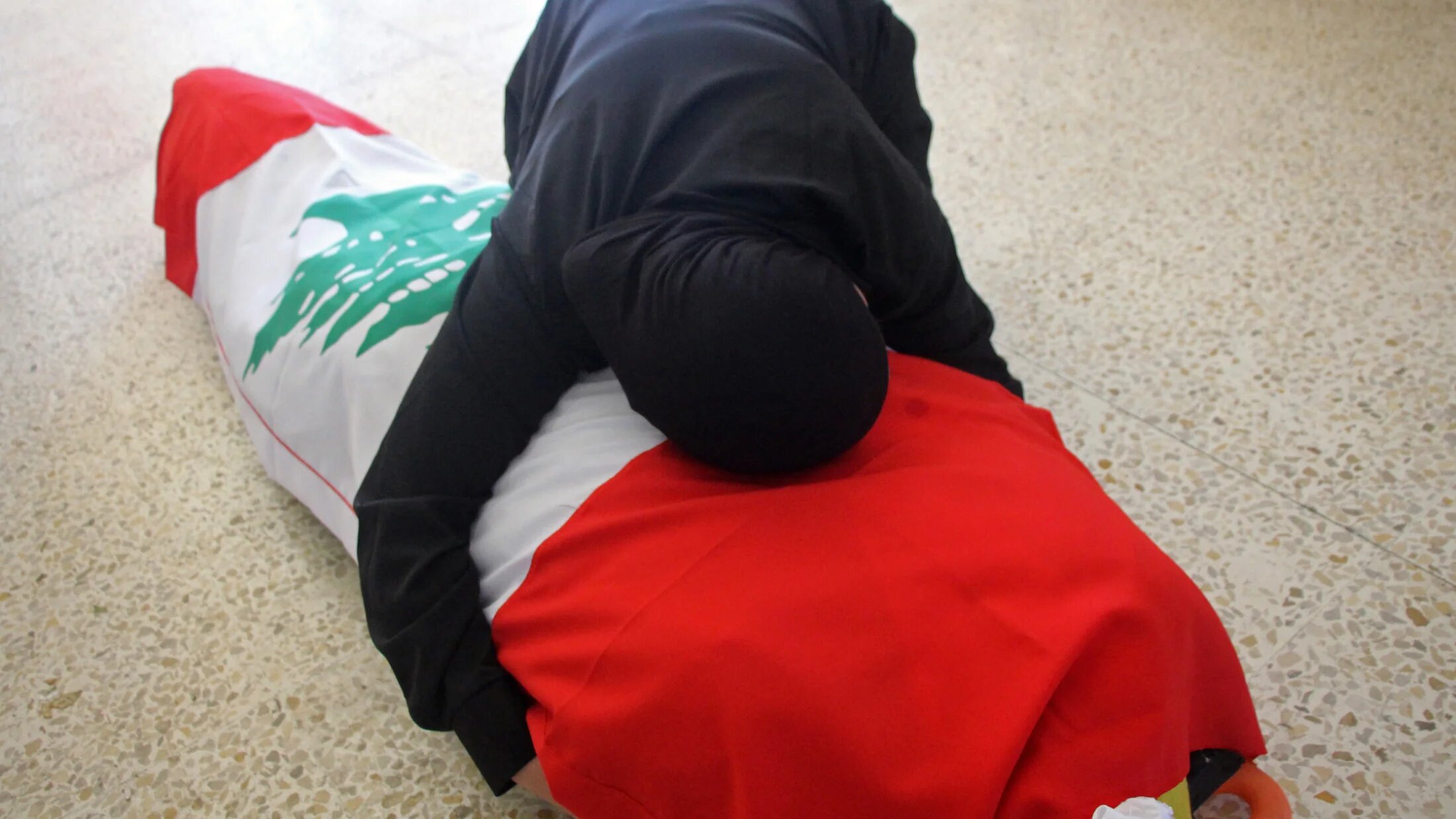
Israel's military on Saturday issued three expulsion orders for residents in 13 villages across southern Lebanon, while also announcing an expansion of its ground operations. The issuance of these three expulsion orders on Saturday for residents of 13 villages in southern Lebanon signals a direct impact on civilian populations as the conflict intensifies. This week, the Israeli military confirmed it had moved beyond a security zone that already included dozens of Lebanese villages occupied by its troops, indicating a significant broadening of its presence. The expanded operations mark a significant escalation in the ongoing cross-border conflict, pushing Israeli forces deeper into Lebanese territory than previously reported.
Deepening Israeli Advance
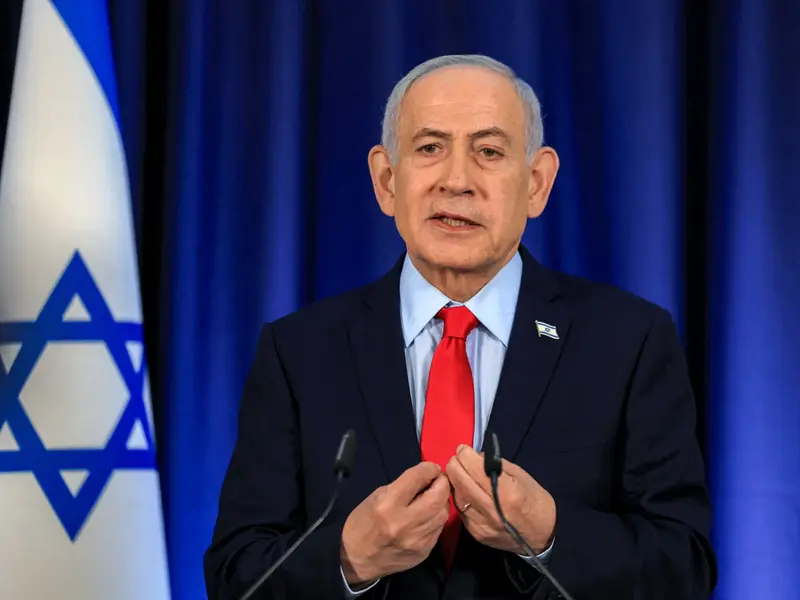
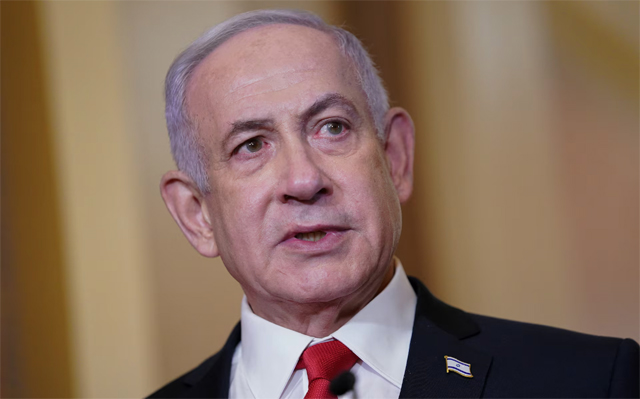
Israeli Prime Minister Benjamin Netanyahu announced on Friday that Israeli forces had advanced beyond the Litani River. "Our forces have crossed the Litani and advanced to controlling positions," Netanyahu stated, confirming a substantial territorial gain. The Litani River is located approximately 30km north of the Lebanon-Israel border, making this advance a notable push into Lebanese territory and noting the operational depth of the current Israeli military campaign. The strategic significance of crossing this geographical marker shows the scale of the ongoing ground offensive.
During their advance, Israeli forces gained control of the Beaufort fortress, also known as Qalaat al-Shaqif. This historic site previously served as a military base for Israeli forces throughout their two-decade occupation of southern Lebanon, which concluded in 2000. The fortress's strategic location was a key position during that period, offering a commanding view of the surrounding terrain. The re-establishment of control over the Beaufort fortress by Israeli forces shows the depth of the current Israeli military operation in the region and evokes historical parallels to previous periods of conflict and occupation. The fortress, with its long history, once again finds itself at the center of military operations, reflecting the strategic importance attributed to its location.
Hezbollah's Retaliation
Hezbollah stated on Saturday that it had fired rockets at the northern Israeli town of Kiryat Shmona. This rocket barrage represents a direct response to the escalating Israeli ground operations and the expansion of their presence in southern Lebanon. The group also announced on Friday that it had targeted Israeli troops advancing near the medieval Beaufort fortress, which is known in Arabic as Qalaat al-Shaqif. These actions by Hezbollah followed Israel's deepening advance into Lebanese territory, specifically near the historically significant fortress. The targeting of both civilian areas and military positions indicates a broad retaliatory strategy from the Lebanese group.
Separately, Hezbollah said on Saturday that it had launched a missile strike on the air traffic control unit at the Meron base. The Meron base is an Israeli Air Force surveillance and command facility positioned approximately 8km from the Lebanese border, making it a critical piece of Israeli military infrastructure. The strike on the Meron base notes Hezbollah's capacity to target Israeli military infrastructure in response to the ongoing operations, demonstrating its reach and intent to challenge Israeli air superiority and command capabilities. The precision targeting of such a facility shows the sophistication of Hezbollah's arsenal and its strategic objectives in responding to Israeli incursions.
Broader Conflict Context
Israeli attacks have killed at least 3,355 people since the start of the war on March 2, according to Lebanon’s health ministry. This figure marks an increase of 31 compared to Thursday, when Israel conducted its first air strike near Beirut in several weeks, indicating a recent intensification of aerial bombardment. The rising casualty count reflects the devastating human cost of the ongoing conflict. More than 1 million people have been displaced by Israel’s military campaign in Lebanon, leading to a significant humanitarian crisis across the country. The large-scale displacement shows the widespread impact of the military operations on civilian populations, forcing countless individuals to abandon their homes and seek safety elsewhere.
Israel has continued heavy bombardment of southern and eastern Lebanon despite a ceasefire that has nominally been in place since April 17. The persistence of these attacks, even in the presence of a supposed ceasefire, indicates the fragility of diplomatic efforts and the ongoing military objectives of the Israeli forces. The continued operations and their humanitarian impact contribute to the broader context of the escalating conflict, making a return to stability increasingly challenging. The disregard for the ceasefire agreement further complicates international efforts to de-escalate the situation and protect civilian lives.
Diplomatic Efforts Underway
Lebanese and Israeli military delegations held security talks at the Pentagon in Washington on Friday. These discussions occurred amid the escalating cross-border conflict, noting international concern and the urgent need for diplomatic intervention. US-brokered negotiations are scheduled to commence early next week, aiming to de-escalate tensions and find a path towards a more lasting resolution. The upcoming talks will represent the fourth round of such diplomatic efforts since April 14, indicating sustained international engagement to address the ongoing situation and prevent further escalation. The repeated rounds of negotiations show the complexity of the conflict and the persistent challenges in achieving a stable peace agreement between the warring parties. The involvement of the United States as a broker reflects the international community's recognition of the severe implications of continued hostilities in the region.